
Thanh An Hair
What to Know Before Getting Hair Extensions: 2026 First-Timer’s Guide
Jul
What to know before getting hair extensions comes down to four things: the attachment method sets your damage risk and daily upkeep, human Remy hair outlasts synthetic by years, a tight or heavy install can trigger traction alopecia, and the real cost includes salon visits every 6 to 8 weeks, not just the first purchase. Get these four right and your first set adds length without costing you your own hair.
Why the prep matters more than the product
Extensions have moved from a red-carpet secret to an everyday purchase. The US hair extension market was valued at about USD 2.46 billion in 2024 and is forecast to reach roughly USD 4.49 billion by 2032, with human hair the largest segment. That growth means more choice, but also more thin, mislabeled, and heavily coated hair sold as premium. The buyers who avoid regret are the ones who decide how they will wear, maintain, and pay for extensions before they fall for a photo.

This guide is deliberately honest about trade-offs. We make raw Vietnamese hair at a family factory with about 20 years of processing experience, so we see every day what separates hair that lasts a year from hair that mats in a month. If you only want the quick decision on method and hair type, read our buying hair extensions guide. If you want the full picture before you commit, keep reading.
Start with two decisions, then the details
Every extension choice collapses into two questions. First, how is the hair attached? That single answer controls your damage risk, your salon bill, and how you sleep and train. Second, what is the hair actually made of? Human Remy hair behaves like your own and lasts, while synthetic and non-Remy hair looks similar in the packet and then falls apart in weeks. Fix these two before you compare colors or lengths.
Hair extension types compared at a glance
Use the table to shortlist a method, then confirm with a stylist for your hair type. Notice that the cheapest methods to buy are the safest to wear, and the most permanent methods carry the most tension.
| Method | How it attaches | Move or replace | DIY or salon | Typical US cost | Best for | Main damage risk |
| Clip-in | Wefts on small pressure clips | Worn per day, no move | DIY | $100 to $400 (set) | First-timers, part-time volume | Low, unless clipped in the same spot daily |
| Halo | One weft on a clear wire | Worn per day, no move | DIY | $100 to $350 (piece) | Fine hair, zero-attachment wear | Very low, no clips or bonds |
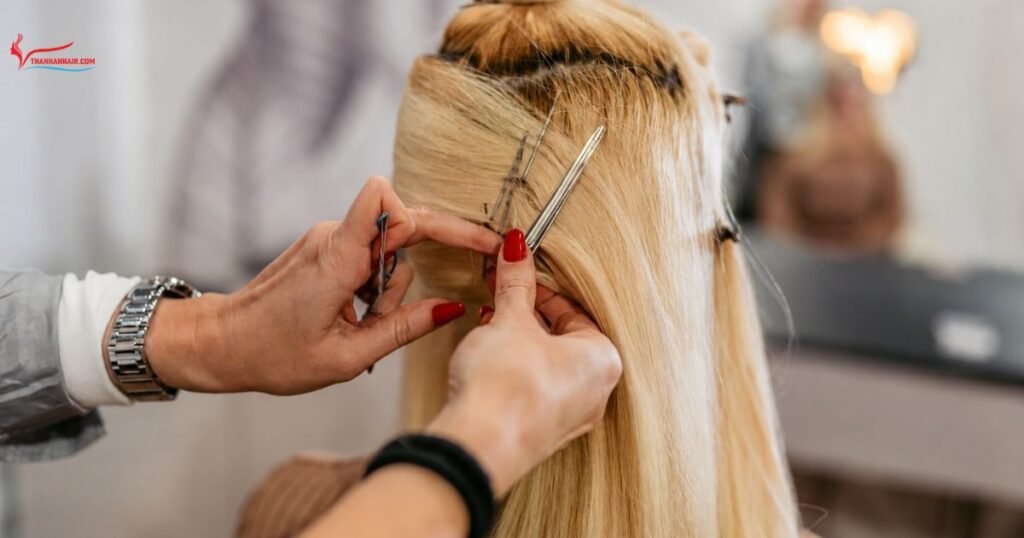
| Tape-in | Thin wefts taped in sandwich rows | Every 6 to 8 weeks | Salon | $200 to $600 + hair | Flat, undetectable everyday length | Moderate if wefts are heavy or removed with force |
| Weft (hand-tied or sew-in) | Wefts sewn to a braided track or beaded row | Every 6 to 8 weeks | Salon | $300 to $800+ | Thick hair, dramatic volume | Moderate to high, braid tension at the scalp |
| Nano or micro ring | Strands clamped in tiny silicone-lined beads | Every 8 to 12 weeks | Salon | $400 to $1,000+ | Fine hair, no heat or glue | Moderate if rings are too tight or too close to the root |
| Keratin bond (I-tip or U-tip) | Strands fused with a keratin tip | Every 3 to 6 months | Salon | $500 to $1,500+ | Long wear, individual strand movement | Higher, heat and bond weight on single strands |
Table 1. Hair extension types compared. Costs are typical US ranges for context and vary by salon, length, and grams.
For part-time volume, clip-in hair extensions and a halo piece let you test length with almost no risk. For flat everyday wear, tape-ins sit closest to the head. For thick hair and drama, a sewn or hand-tied weft holds the most grams. For long continuous wear, nano rings and keratin I-tips move strand by strand.
Are hair extensions bad for your hair? What dermatology says
Extensions themselves do not ruin hair. Tension, weight, and rough removal do. The most documented risk is traction alopecia, a hair loss caused by prolonged pulling on the follicle. The American Academy of Dermatology advises wearing tightly attached styles, including extensions and weaves, only some of the time, and removing anything that causes pain. A case series in the Journal of the American Academy of Dermatology traced a horseshoe pattern of hair loss directly to glued-in wefts.

The reassuring part is that this risk is largely under your control. Reviews in the medical literature note traction alopecia often reverses when the pulling stops early, but repeated tension can scar the follicle and make the loss permanent. Combining extensions with chemical relaxers is a documented high-risk pairing. Early warning signs include small bumps along the hairline, soreness, and a thin fringe of short hairs where the tension sits.
Practical guardrails keep you on the safe side. Keep the weight proportional to your density, avoid installs placed hard against the scalp, and give your hair recovery breaks between sets. For scale, the American Academy of Dermatology notes it is normal to shed 50 to 100 hairs a day, so a few strands on a removed weft are not alarming, but clumps or bald patches are your cue to see a dermatologist.
What “good hair” actually means at the fiber level
The word “human hair” on a label tells you almost nothing. What decides whether a set lasts a year or mats in a month is the cuticle, the outer layer of overlapping scales that sit like shingles on a roof. Peer-reviewed work in hair science shows that the direction and alignment of those scales govern how hair slides against itself, and that a thin lipid layer called 18-MEA gives healthy hair its water resistance and shine. When cuticles point the same way and stay intact, hair reflects light and glides. When they run in mixed directions or get stripped, hair turns dull, rough, and tangle-prone.
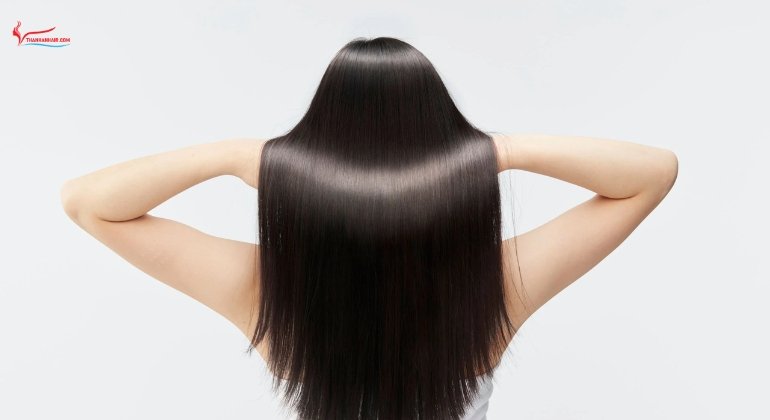
This is where sourcing decides everything, and where a reseller cannot fake quality. In true Remy hair, every strand is collected and kept root to tip, so all the cuticles face one way. In single-donor hair, the whole bundle comes from one head, so texture and cuticle behavior match along the full length. Much cheaper hair is collected off the floor with cuticles running in every direction, then bathed in acid to remove the cuticle entirely and coated in silicone so it feels smooth in the shop. That coating is the trap: it washes off in a few weeks, the stripped hair underneath has no cuticle left to protect it, and the set mats. Double-drawn hair adds a second sort so the bundle stays thick from root to tip instead of thinning at the ends.
The true cost of hair extensions, beyond the first purchase
The sticker price is the smallest part of the math. Salon methods need a move every 6 to 8 weeks as your natural hair grows out, and each visit is a fresh charge. Because hair grows about half an inch a month, roughly six inches a year per the American Academy of Dermatology, bonds and tapes drift away from the scalp and have to be reset on schedule. Skipping these appointments is what causes matting at the root, not the extensions themselves.

Budget for four line items over a year, not one. There is the hair, the installation, the maintenance moves, and the aftercare kit of a sulfate-free wash, a soft brush, and a heat protectant. Add extra time to every wash day, since more hair takes longer to dry and style, and drying technique matters enough that we wrote a separate guide to drying extensions without heat damage. Higher-grade human hair costs more up front but usually survives more washes and heat cycles, so the cost per wear often ends up lower than a cheap set replaced every couple of months.
How to prepare before getting hair extensions
- Assess your own hair honestly. You usually need about 6 inches of natural hair for a seamless blend, plus enough density to hide the attachment. Check your scalp for tenderness, flaking, or thinning at the hairline before you add any weight.
- Set a realistic 12-month budget. Price the first install, then add maintenance every 6 to 8 weeks, aftercare products, and a hair replacement once or twice a year. The first purchase is rarely the largest number.
- Choose the method by lifestyle, not just the look. Match the attachment to how you sleep, train, and wash. Clip-ins suit part-time wear, tape-ins suit flat everyday length, and bonds suit long continuous wear.
- Order a color match or sample first. Request a swatch or a small sample and check it in daylight against your mid-lengths and ends. Color mismatch is the most common reason a first set looks obviously fake.
- Book a consultation and ask about weight and tension. Ask your stylist how many grams they will install and how close to the scalp. Well-placed extensions should feel secure, never sore. Pain on day one is a signal to loosen, not to tolerate.
- Plan your aftercare before the hair goes in. Buy a sulfate-free wash, a loop or soft-bristle brush, and a heat protectant. Put your maintenance appointments in the calendar now so bonds never grow out past the safe window.
Are you a good candidate right now?
Extensions add length instantly, but they are not a fix for an unhappy scalp. You are ready if you have roughly 6 inches of your own hair for a natural blend, enough density to cover the attachment, and a calm scalp with no active flaking, sores, or shedding at the hairline. Wait or see a professional first if you are recovering from a tight-style hair loss, if your hairline already shows thinning, or if you combine relaxers with extensions, which raises the traction risk. Choosing a lighter method and a lower gram count is almost always safer than forcing a dramatic look onto fine or fragile hair.
What to Know Before Getting Hair Extensions: FAQ
What should you know before getting hair extensions for the first time?
The essentials of what to know before getting hair extensions are simple: the method matters more than the brand. Clip-ins are the safest starting point, human Remy hair lasts longest, weight and tension drive damage risk, and you should budget for maintenance every 6 to 8 weeks, not just the first set.
Do hair extensions damage your hair?
Well-fitted extensions on healthy hair cause little harm. Damage comes from tension, weight, and poor removal. The American Academy of Dermatology links tightly attached extensions to traction alopecia, a pulling hair loss that is reversible early but can scar if ignored.
How much do hair extensions really cost?
In the US, clip-in sets run roughly $100 to $400, while salon methods like tape-ins, wefts, and bonds range from about $200 to $1,500 or more per install. Add maintenance every 6 to 8 weeks and a replacement once or twice a year.
What are the best hair extensions for thin or fine hair?
Halo pieces, lightweight tape-ins, and nano rings spread weight evenly and skip glue and heat, so they suit fine hair best. Avoid heavy wefts and bonds placed too close to the scalp, which concentrate stress on delicate strands.
How long do human hair extensions last?
Quality Remy human hair worn full-time usually lasts 6 to 12 months, and occasional clip-in wear can last longer. Lifespan depends on the hair grade, your washing and heat habits, and whether the cuticle was kept intact and aligned.
Can you tell the difference between Remy and non-Remy hair?
Yes, over time. Remy hair keeps every cuticle facing root to tip, so it stays smooth and tangle-free. Non-Remy hair is often acid-stripped and silicone-coated; it feels silky at first, then mats once the coating washes off after a few weeks.
Start with the right hair, not the wrong regret
Thanh An Hair is a factory-direct supplier of raw, cuticle-aligned Vietnamese hair for salons, stylists, and resellers worldwide. Want to feel the difference before you commit a client or a full head to it? Request a color-matched sample and our wholesale price list, and buy hair that is built to last a year, not a month.
Contact Thanh An Hair today for expert consultation and the most competitive price list.
- WhatsApp/Hotline: (+84) 973 522 855
- Official Website: https://thanhanhair.com/
- Instagram: @thanhanhair
- Email: thanhanexport@gmail.com