
Raw Vietnamese Hair
How to Untangle Matted Hair Without Cutting It and Prevent It for Good
Jun
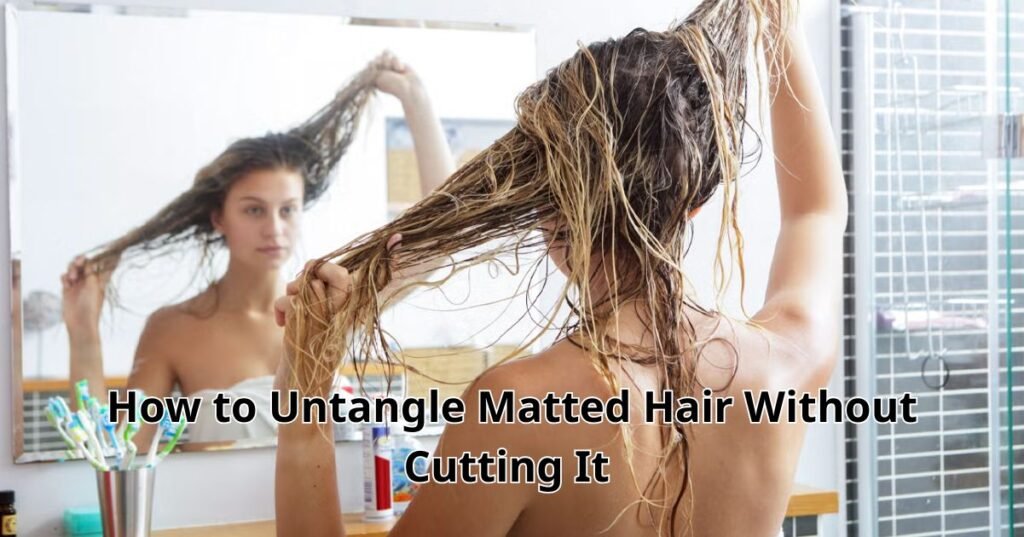
Matted hair feels like an emergency, but most mats come out at home, no scissors, no snapped strands. How to Untangle Matted Hair ,saturate the mat with a slip-rich conditioner or detangling spray, let it soften for 15–30 minutes, then gently tease it apart with your fingers and a wide-tooth comb, always working from the ends upward toward the roots never the other way. Below is the exact method, why hair mats in the first place, and a routine that stops matting coming back.
What is Matted Hair and How is it Different from Tangles?
Matted hair is a dense, knotted mass of strands that have wrapped and locked around each other so tightly a comb won’t pass through. Everyday tangles sit on the surface and brush out in seconds; a true mat is three-dimensional, with shed hairs woven into growing hairs like felt. Dermatologists actually compare severe matting to textile felting fibres compacted together by repeated friction and moisture until they fuse into one impenetrable clump (NIH/PMC). That distinction matters, because the two are solved differently: a tangle needs a quick comb-through, while matted hair needs softening, patience, and the right order of operations.
What Causes Matted Hair?
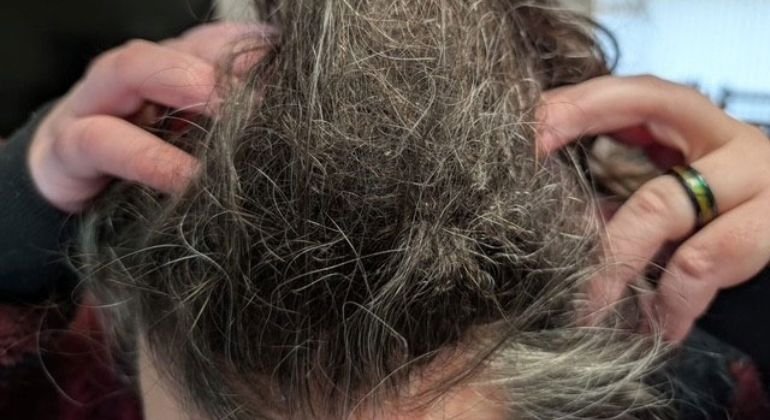
Hair mats whenever friction, dryness, and trapped shed hair combine. Every strand is sheathed in microscopic cuticle scales that all point one way toward the tip, like roof tiles or the teeth of a ratchet. When two strands rub the “wrong” way, those scales catch and interlock, and the rougher the cuticle, the harder they grip. Anything that lifts or damages the cuticle heat, bleach, colour, age, sun raises that friction and makes matting far more likely. Here are the usual culprits and what to do about each.
| Cause | Why it mats | Most at risk | Quick fix |
| Dry, damaged cuticle | Lifted, roughened scales catch and won’t slide | Bleached, coloured, heat-styled, sun-exposed or older hair | Deep-condition; seal ends with a light oil or leave-in |
| Shed hairs trapped in length | We lose ~50–100 hairs a day; if they don’t fall free they weave into growing strands | Long, thick or curly hair; anyone who skips combing | Comb daily so shed hairs release |
| Curly & coily textures | Coils wrap around one another and carry a more fragile cuticle | Wavy to coily natural hair | Detangle damp, with conditioner, in sections |
| Friction at the nape | Constant rubbing on collars, scarves, seat belts and pillows | Long hair, extensions and wig wearers | Wear hair up; protect the nape; satin pillowcase |
| Sleeping on wet or loose hair | Wet hair is swollen and fragile, and tosses into knots overnight | Everyone — especially long hair | Dry first; sleep in a loose braid or bun |
| Infrequent washing or combing | Oil, dirt and product glue strands together over time | Busy schedules; neglected wigs and extensions | Keep a simple, regular cleanse-and-comb routine |
| Heavy oils & butters, overused | Thick products build up and bind strands; clinicians have documented acute matting triggered by castor oil | Anyone using heavy oil without rinsing it out | Use light oils sparingly; rinse thoroughly (NIH/PMC) |
How to Untangle Matted Hair, Step by Step
The single most important rule: work from the ends upward. Because cuticle scales interlock when you push against them toward the scalp, combing root-first jams the mat tighter and tears hair out; starting at the very ends frees a few strands at a time with almost no breakage (American Academy of Dermatology). Set aside 20 – 40 minutes for a stubborn mat and follow these steps.
- Saturate the mat with slip. Coat it in a rich conditioner, a dedicated detangling spray, or a conditioner-and-water mix. “Slip” is simply lowered friction it’s what lets strands glide apart instead of snapping, and it’s why salons never detangle dry hair.
- Let it soften (15 – 30 minutes). Clip the hair up and give the product time to penetrate the knot. A shower cap or warm towel speeds it along.
- Separate the mat with your fingers. Before any tool touches it, gently pull the clump into smaller, looser sections with your fingertips so it can’t spread into the surrounding hair.
- Start at the ends with a wide-tooth comb. Hold the section above the knot to protect your scalp, then comb the last inch or two clear, moving up half an inch at a time. Dermatologists recommend a wide-tooth comb over a brush on wet or matted hair, because a brush snaps fragile strands.
- Switch to a detangling brush for the loosened length. Once the worst of the mat is broken, a flexible-bristle brush smooths the remaining smaller knots quickly.
- Re-wet or re-spray as you go. If the hair dries out and grabs, add more slip. Matted hair detangles far more easily while it stays damp.
- Rinse, condition again, and dry gently. When a comb passes cleanly from root to tip, rinse, reapply conditioner, then squeeze never rub the hair dry with a microfiber towel so you don’t roughen the cuticle.
How to Detangle Matted Hair Extensions and Wigs
Extensions and wigs mat for one extra reason: the hair no longer has a scalp feeding it natural oils, so it dries out and roughens faster than growing hair and it spends its life rubbing against necks and collars. The method is the same (slip first, ends first), with a few additions:
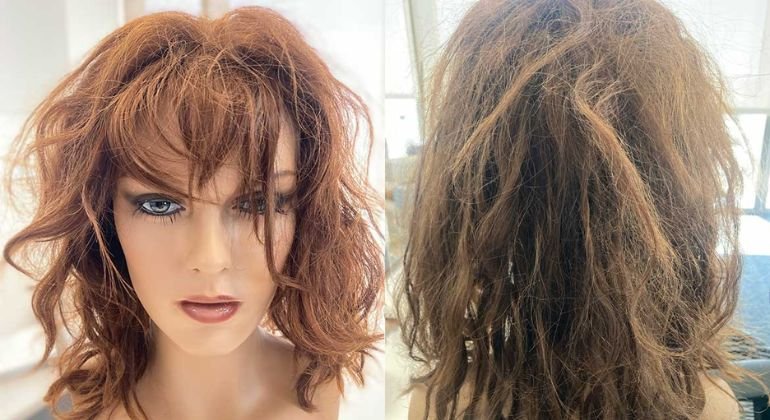
- Detangle dry, before you wash. Loose extensions and wig fibre knot badly when wet, so finger-detangle and comb them out before they touch water. Our step-by-step guide to washing clip-in extensions covers the full wash that follows.
- Mind the nape. The hair at the back of the neck rubs constantly and mats first. Lift it off the collar, and store wigs on a stand rather than balled in a drawer.
- Quality is prevention. Hair mats faster when its cuticles are stripped, reversed, or coated in silicone to fake shine. Genuine single-donor raw hair keeps its cuticle intact and running in one direction, so strands slide past each other instead of locking which is why premium clip-ins, wefts and wigs tangle far less than cheap blends.
Severely Matted Hair: When to Stop Pulling And When Cutting is The Only Option
Most mats come out with time and slip. But there’s a point where pulling does more harm than good. If, after thorough soaking and conditioning, a mat is rock-hard, painful, or has felted into a solid mass close to the scalp stop. You risk tearing healthy hair out by the root. Dermatologists describe an extreme, irreversible form of matting called plica neuropathica (also known as acute hair felting or “bird’s nest hair”), in which the whole mass twists into hardened keratin that no comb can save (NIH/PMC). It can follow vigorous shampooing, harsh products, illness, or long-neglected hair, and in severe cases the only remedy is to carefully cut the matted section out and let healthy hair regrow. If you can’t make progress or you notice scalp pain, sores, or unusual shedding — see a hairstylist or a board-certified dermatologist rather than forcing it. Remember, hair is not alive and cannot repair itself once it’s damaged, so protecting the healthy hair you have always beats salvaging a hopeless knot.
How to Prevent Matted Hair (The Routine That Actually Works)
Because hair can’t heal, prevention is the real cure and matting is almost entirely preventable. Build these habits into your week:
- Comb daily, ends first. A quick once-over releases shed hairs before they weave into a mat. Skip the old “100 strokes a day” idea over-brushing only causes breakage.
- Condition every wash. Conditioner re-coats the cuticle and restores slip; dermatologists list skipping it among the top causes of damage (AAD). Add a leave-in for dry or coloured hair.
- Wash and rinse gently. Massage shampoo into the scalp and let it rinse down the length don’t pile long hair on top of your head and scrub, which tangles it (a documented trigger of felting).
- Protect it at night. Loosely braid or bun long hair and sleep on a satin or silk pillowcase to cut friction.
- Guard the nape and ends. Wear hair up under collars, scarves and seat belts, and trim every 8–12 weeks to remove split, weathered ends that snag.
- Be smart with oils. Light oils smooth; heavy butters and thick oils, overused and left in, can build up and bind strands use them sparingly and wash them out.
- Start with low-friction hair. If you wear extensions or wigs, intact-cuticle raw hair simply mats less than processed hair the easiest tangle to fix is the one that never forms.
Frequently asked questions
Can you untangle severely matted hair without cutting it? Often, yes. Saturate the mat in conditioner or detangling spray, wait 15 – 30 minutes, and work from the ends upward with your fingers and a wide-tooth comb. Cutting is only a last resort for hardened, felted masses that won’t loosen after thorough soaking and even then, a stylist can usually save most of the length.
Should you detangle matted hair wet or dry? Detangle your own growing hair damp (not soaking) with plenty of conditioner for slip, since dry mats snap. Loose extensions and wigs are the exception finger-detangle and comb them dry first, because the fibre knots more when wet. Either way, keep it lubricated and use a wide-tooth comb, not a brush.
Does coconut, argan or castor oil help with matted hair? A small amount of light oil adds slip and helps a comb glide. But heavy oils and butters used in excess can build up and actually bind strands together clinicians have even documented matting triggered by castor oil — so apply sparingly and rinse well.
Why does my hair keep matting at the back of my neck? The nape rubs constantly against collars, scarves, pillows and car seats, and that friction interlocks the cuticle. It’s the first place long hair, extensions and wigs mat. Wear your hair up, protect the nape, and sleep on satin.
How do I stop my wig or extensions from matting? Detangle and comb them before each wash, store wigs on a stand, keep the nape off the collar, and condition regularly. Most importantly, start with intact-cuticle, single-donor raw hair, which slides instead of locking and mats far less than processed hair.
Is matted hair the same as tangled hair? No. Tangles are surface knots that brush out in seconds. A mat is a dense, three-dimensional clump where shed and growing hairs have locked together closer to felt and it needs softening and an ends-first approach rather than brute force.
The Easiest Mat is The One That Never Forms
Thanh An Hair crafts single-donor raw Vietnamese hair with the cuticle kept intact and aligned, so our bundles, wefts, clip-ins and wigs glide instead of locking — and stay smooth wash after wash. Talk to our team → for a colour match or a sample, and feel the difference low-friction hair makes.
Contact Thanh An Hair today for expert consultation and the most competitive price list.
- WhatsApp/Hotline: (+84) 973 522 855
- Official Website: https://thanhanhair.com/
- Instagram: @thanhanhair
- Email: thanhanexport@gmail.com