
Raw Vietnamese Hair
How to Cut Lace on a Wig Without Making It Visible: A Complete Guide (2026)
Nov
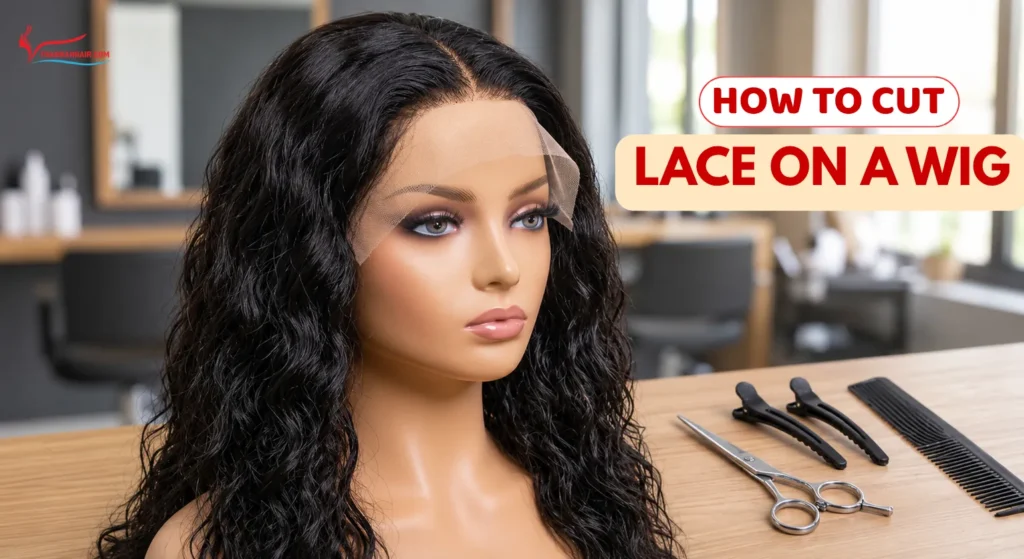
How to cut lace on a wig correctly starts with identifying the excess mesh and trimming it carefully without damaging the hairline. The goal is to create a soft, natural-looking edge while protecting the hair knots, lace structure, and overall wig construction.
Whether you are preparing a new lace front wig for personal use or helping clients install wigs in a salon, learning how to trim lace properly can make a significant difference in the final appearance. Cutting too much lace, using unsuitable scissors, or following an unnatural hairline can make the wig look obvious.
This guide explains the different types of wig lace, the tools you need, and six practical steps for trimming lace safely. You will also learn how to avoid common mistakes and compare lace wig options before choosing a product.
1. Understand Different Types of Wig Lace Before Cutting
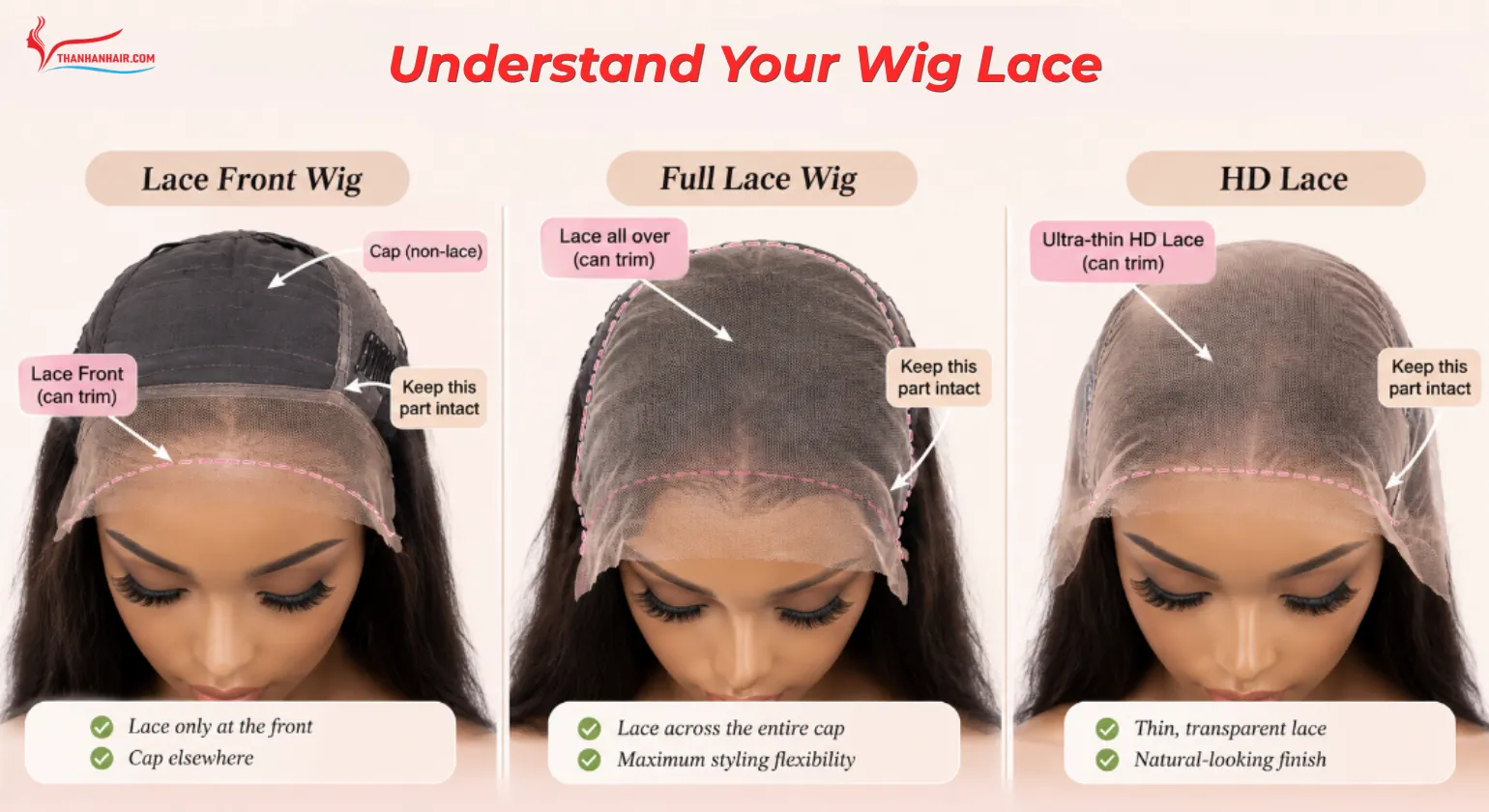
Before trimming a wig, identify its lace construction. Different lace types and placements affect how much excess material you need to remove and how carefully you should work around the hairline.
Lace Front Wigs
A lace front wig has lace across the front hairline, usually extending from ear to ear. The remaining cap is made from another material.
This construction allows the wearer to create a natural-looking front hairline while keeping the rest of the wig secured by the cap. When cutting a lace front wig, focus on removing only the excess lace around the front perimeter.
For example, a 13×6 lace frontal wig provides a wider lace area than smaller frontal designs. This gives the wearer more flexibility when styling the front section, but it also means the lace needs to be trimmed carefully to preserve the intended hairline.
Full Lace Wigs
A full lace wig has lace throughout the cap, allowing more styling flexibility, including hairstyles that expose different areas of the scalp.
Because the lace extends across a larger area, avoid pulling or cutting the material unnecessarily. Work slowly around the hairline and other exposed edges.
HD Lace and Transparent Lace
HD lace is designed to be thin and blend closely with the wearer’s scalp. Transparent lace is another option that can be suitable for different skin tones when properly matched and installed.
However, lace type alone does not guarantee an invisible hairline. The final appearance also depends on lace quality, color matching, knot construction, installation technique, and careful trimming.
=>> Read more: What Is an HD Lace Full Wig? HD Lace vs. Regular Lace (2026), understand the differences between HD lace and regular lace before choosing a wig.
2. Tools You Need for Lace Cutting
Preparing the right tools helps you achieve a cleaner edge and reduces the risk of damaging the lace.
| Tool | Purpose |
| Small, sharp scissors | Trim lace with better control |
| Wig clips | Keep hair away from the cutting area |
| Fine-tooth comb | Separate and smooth the hairline |
| Mannequin head or wig stand | Keep the wig stable while trimming |
| Hair clips | Prevent loose strands from getting caught in the scissors |
| Good lighting and mirror | Help you inspect the lace edge accurately |
Choose small scissors with sharp, precise blades rather than large household scissors. They make it easier to control each cut, especially around the temples and ears.
Before cutting, place the wig on a mannequin head or your own head to check its position. Make sure the front hairline sits where you want it before removing any lace.
3. How to Cut Lace on a Wig: Step-by-Step Instructions
The safest approach is to trim a little at a time rather than trying to remove all the excess lace in one cut. Follow these six steps to create a more natural-looking hairline.
Step 1: Put the Wig on and Check the Fit
Place the wig on your head or a mannequin head. Adjust the front hairline until it sits in the intended position.
Check the placement around the forehead, temples, and ears. If the wig is not positioned correctly, you may cut the lace unevenly or remove too much material.
For a better fit, measure your head and compare it with the wig’s cap size before installation.
=>> Read more: Wig Size Guide: How to Measure Your Head for a Perfect Fit, learn how to measure your head and choose a more suitable wig cap size.
Step 2: Secure the Wig and Move Hair Away
Use wig clips to keep the hair away from the lace edge. Make sure no strands are caught underneath the scissors.
The wig should remain stable throughout the process. If it shifts while you are cutting, the lace line may become uneven.
Avoid pulling the lace tightly. Excessive tension can distort the material and make it harder to follow the natural shape of the hairline.
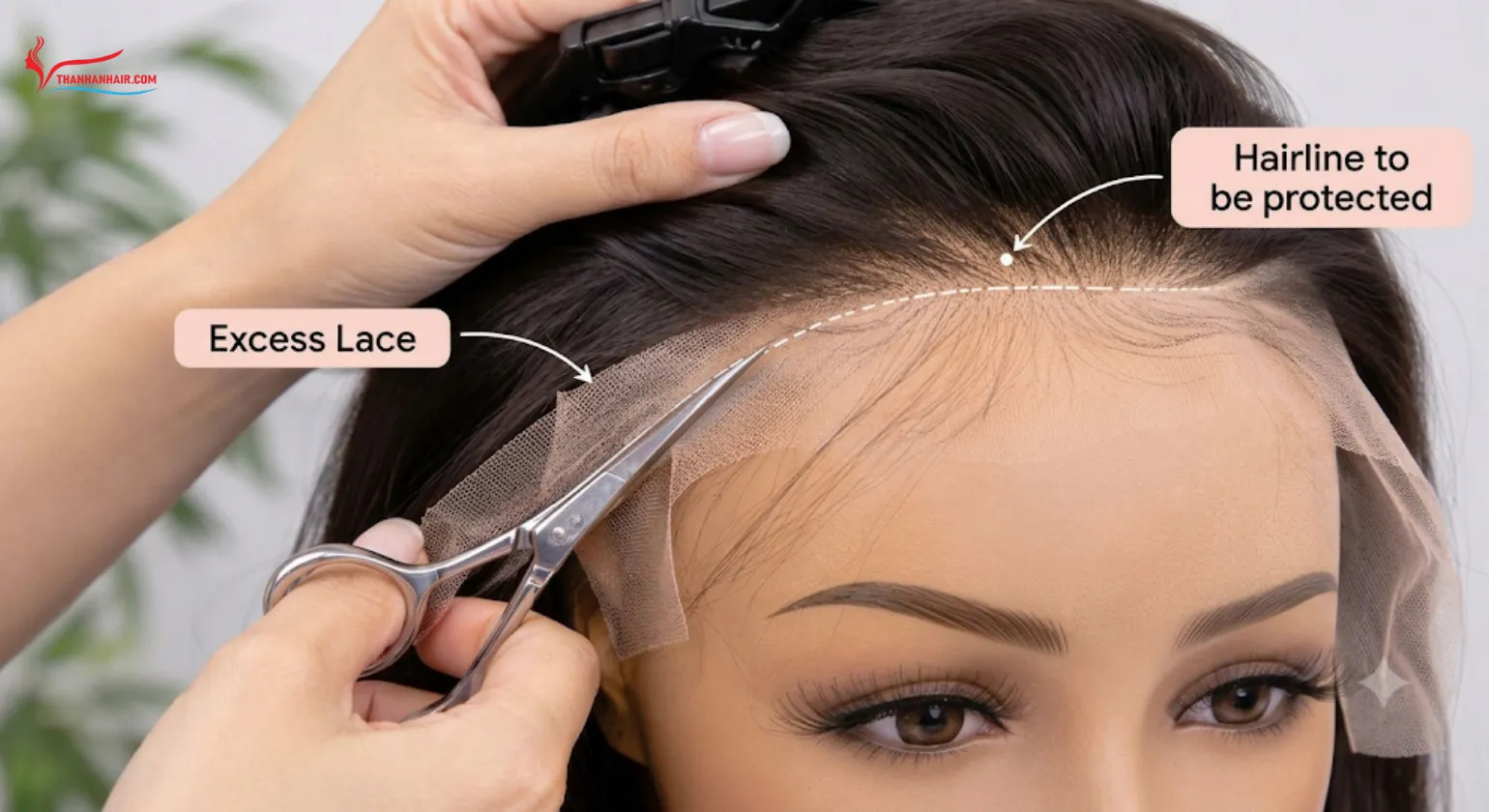
Step 3: Identify the Excess Lace
Look closely at the lace extending beyond the hairline. Identify the area that needs to be removed while leaving enough material for your chosen installation method.
Do not cut directly along the hair knots. The goal is to remove excess mesh without damaging the hairline or weakening the lace structure.
If you are working with a new wig, inspect the front edge under good lighting before making the first cut.
Step 4: Trim the Lace Slowly
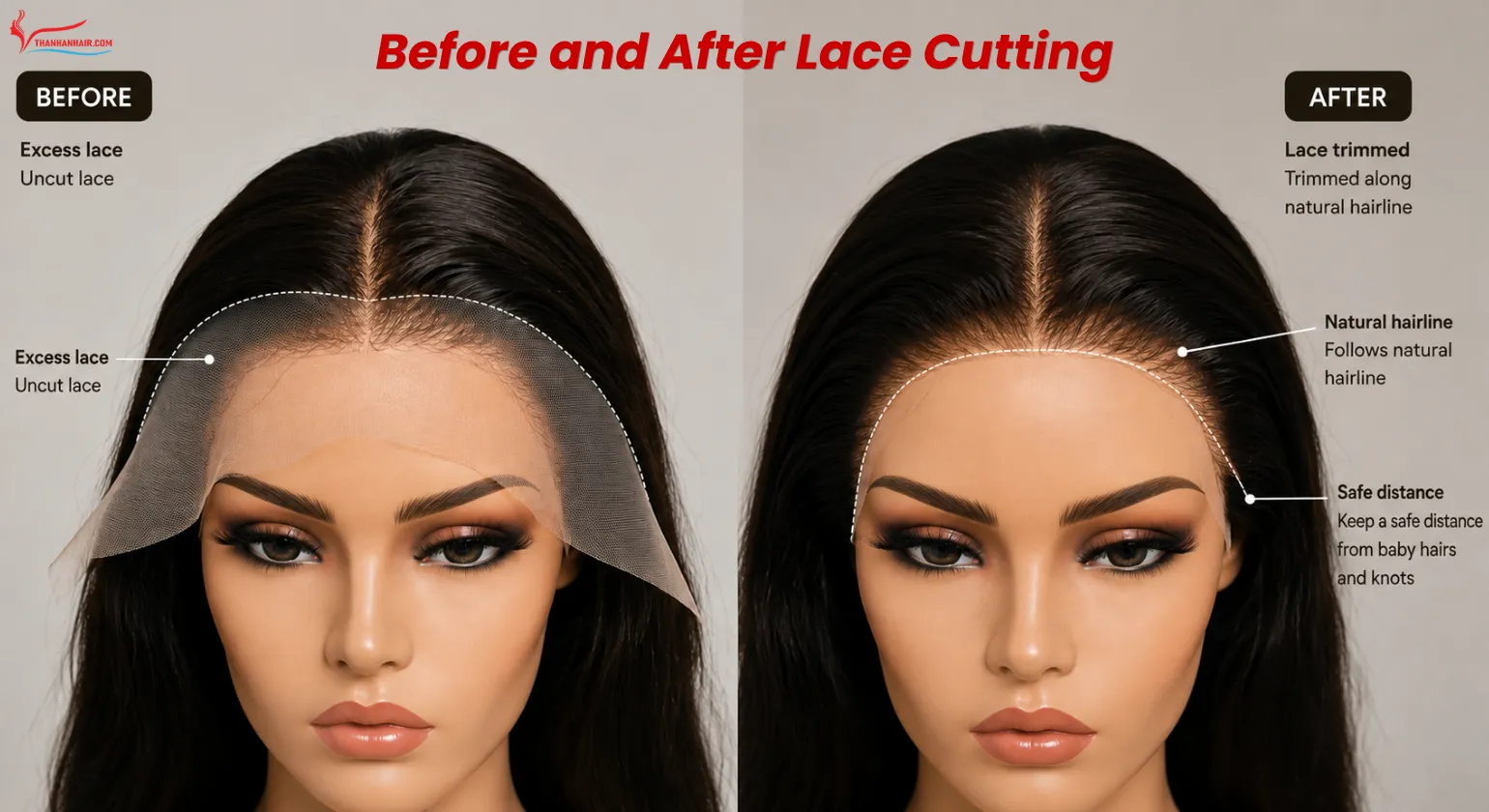
Hold the scissors at a slight angle and make small, controlled cuts. Follow the natural curve of the hairline instead of cutting in one straight horizontal line.
A slightly irregular edge can look more natural than an overly straight cut. However, avoid creating deep zigzag cuts or sharp points that may make the lace difficult to install.
Keep checking the result as you work. It is easier to remove a little more lace later than to repair a section that has been cut too short.
Step 5: Trim Around the Temples and Ears
The temple and ear areas require extra attention because the hairline curves around the sides of the head.
Continue trimming in small sections and check both sides to keep the result balanced. Avoid cutting too close to the hair knots or removing more lace than necessary.
If the wig includes ear tabs, make sure they remain intact and sit comfortably. Do not cut into the cap construction while shaping the lace.
Step 6: Inspect the Hairline and Make Small Adjustments
After trimming, examine the hairline from the front and both sides. Check whether any excess lace remains and whether the edge follows the intended shape.
Try the wig on again if possible. The lace should sit comfortably without pulling, lifting, or exposing an uneven edge.
Only make additional cuts when necessary. Once the lace has been removed, it cannot be restored to its original length.
4. Common Lace Cutting Mistakes That Make a Wig Look Unnatural
Even a good-quality lace wig can look unnatural if the lace is trimmed incorrectly. Avoid these common mistakes:
Cutting Too Close to the Hairline
Removing too much lace can damage the hair knots and leave insufficient material for installation. Always leave an appropriate margin and follow the intended hairline.
Cutting in a Straight Line
A perfectly straight edge may look artificial because natural hairlines are not completely uniform. Follow the shape of the hairline and use small cuts to create a softer finish.
Using Dull or Oversized Scissors
Blunt scissors can pull or tear delicate lace. Large scissors also make it harder to control small areas around the temples.
Use sharp, small scissors designed for precise trimming.
Pulling the Lace While Cutting
Stretching the lace can distort its shape. Once released, the edge may no longer sit evenly against the forehead.
Keep the wig stable without applying excessive tension.
Ignoring the Fit Before Trimming
Cutting lace before checking the wig’s position can result in an uneven or overly short edge. Always adjust the wig first.
If the lace begins lifting after installation, read the troubleshooting guide below.
=>> Read more: How to Fix Lifted Lace Front? Quick and Easy Solutions, learn practical ways to address lifted lace and improve your wig installation.
5. How to Make a Lace Wig Look More Natural After Cutting
Trimming the lace is only one part of achieving a natural-looking wig. The following details can improve the final appearance.
Match the Lace to Your Skin Tone
Choose lace that blends well with your skin tone. A mismatch between the lace and scalp can make the hairline more noticeable, even when the lace has been trimmed carefully.
Some wearers use suitable lace tint or makeup products to improve the match. Test any product carefully before applying it to the entire lace area.
Keep the Hairline Looking Natural
Avoid creating an excessively dense or perfectly straight hairline. A natural-looking hairline usually has some variation in hair placement.
If the wig has baby hairs, style them lightly rather than relying on them to hide an uneven cut.
Secure the Lace Properly
Follow the installation instructions for your wig and adhesive system. Make sure the lace lies flat without excessive tension.
Do not apply too much adhesive or use products that are unsuitable for the lace material.
Maintain the Wig and Lace
Clean the lace and wig cap according to the manufacturer’s care instructions. Avoid aggressive rubbing around the hairline because it can loosen knots or damage delicate lace.
For additional maintenance guidance, read the British Association of Dermatologists’ information on caring for hair when wearing wigs and extensions.
=>> Read more: Caring for Hair When Wearing Wigs and Extensions, review general hair-care guidance for people who wear wigs and extensions.
It is also worth avoiding hairstyles that place excessive tension on the hairline. The American Academy of Dermatology explains how certain hairstyles may contribute to traction-related hair loss.
=>> Read more: Hairstyles That Can Lead to Hair Loss, understand how repeated tension from certain hairstyles can affect hair health.
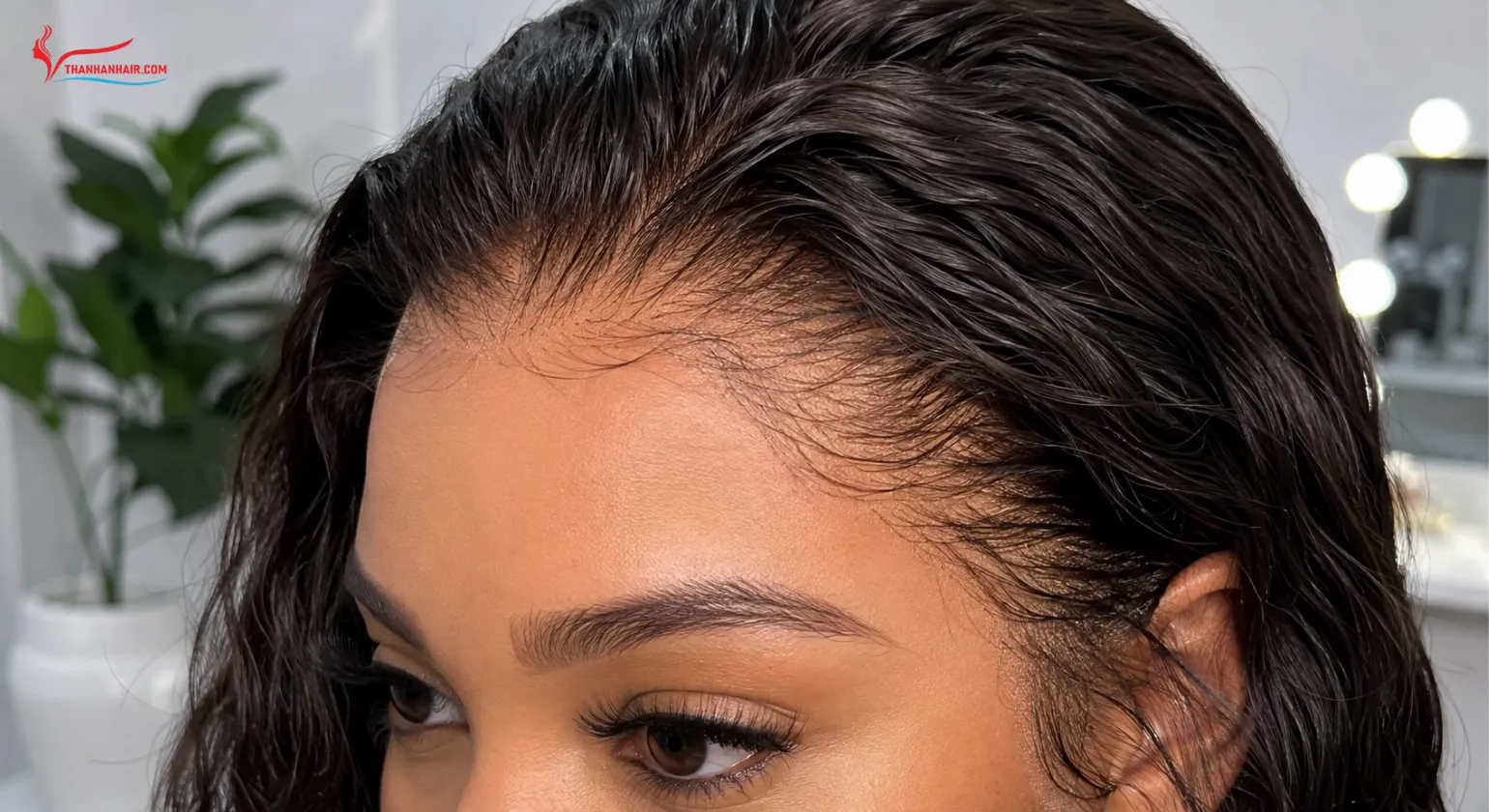
6. Explore Lace Wig and Closure Options from Thanh An Hair
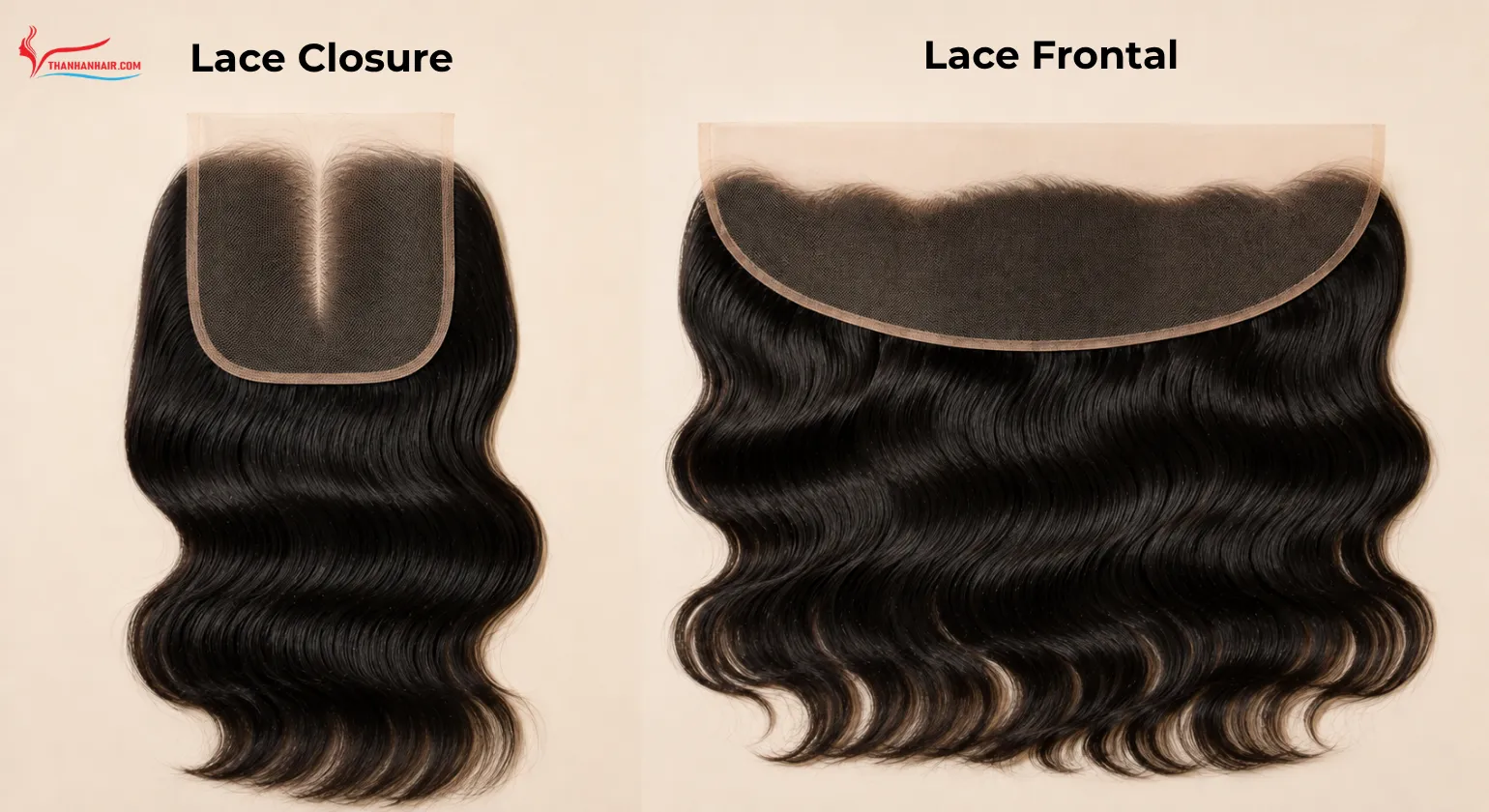
Choosing the right lace construction before installation can make the trimming process easier. Different lace sizes provide different levels of coverage and styling flexibility.
Thanh An Hair offers several lace wig and closure options for customers who want to compare product constructions before purchasing.
Compare Lace Wig and Closure Options
| Product | Construction | What to Consider |
| 13×6 Lace Frontal Wig | Lace frontal design | Consider the wider lace area and styling preferences |
| 6×6 Lace Closure Wig | 6×6 closure design | Consider the closure coverage and desired parting area |
| 2×6 Lace Closure Wig | 2×6 closure design | Consider the narrower closure area and preferred hairstyle |
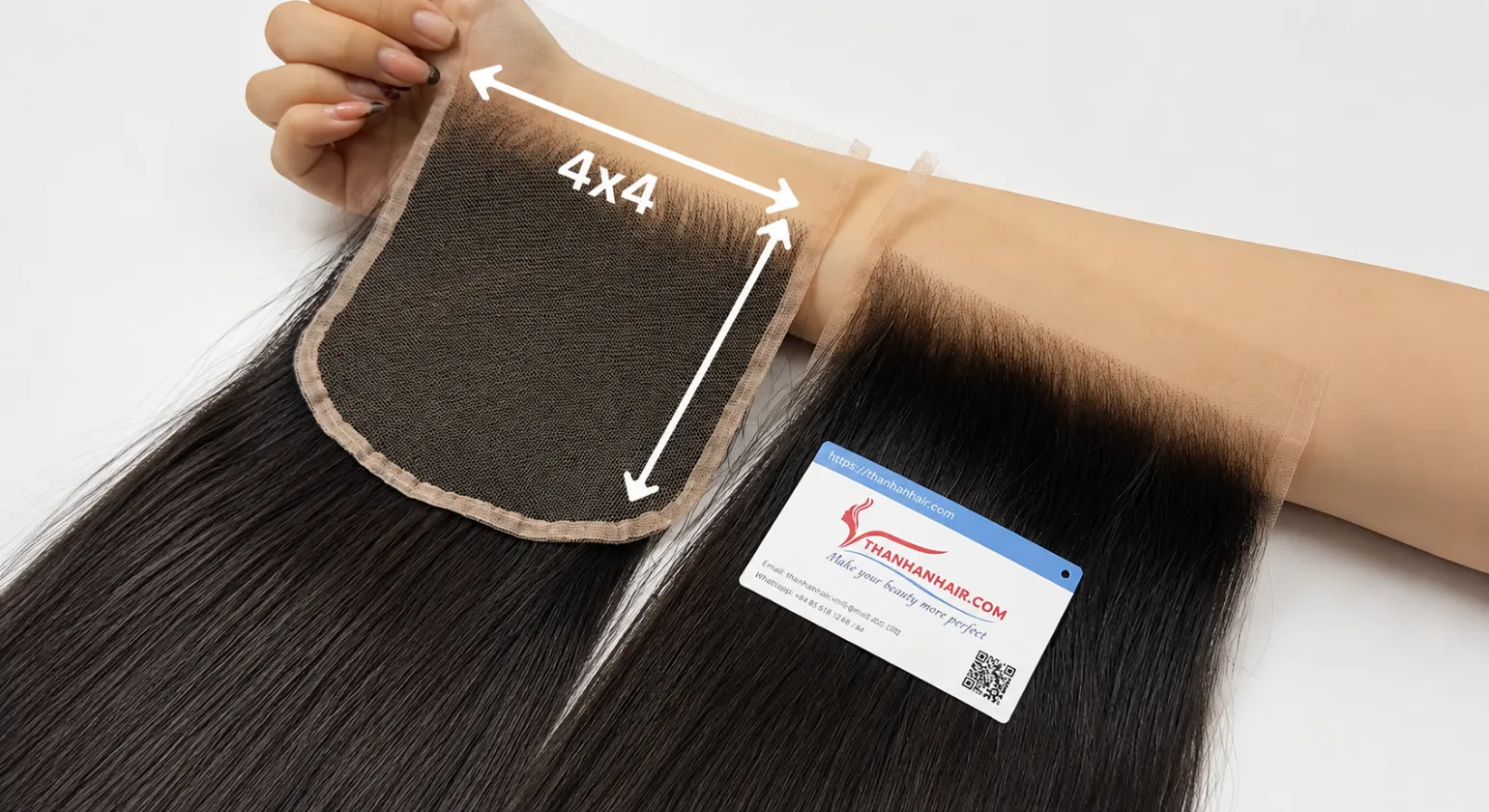
| 4×4 Closure | 4×4 closure design | Consider the closure size and compatibility with your wig or installation |
These products are not interchangeable in every situation. Your choice should depend on the desired hairline, parting style, lace coverage, cap construction, and installation method.
5×5 HD Swiss Lace Closure
A 5×5 HD Swiss lace closure is an option for customers who want a defined parting area with HD lace. Before ordering, check the product specifications, lace material, hair details, and available customization options.
=>> Shop now: 5×5 HD Swiss Lace Closure Raw Vietnamese Hair, explore a smaller HD lace closure for a defined parting area.
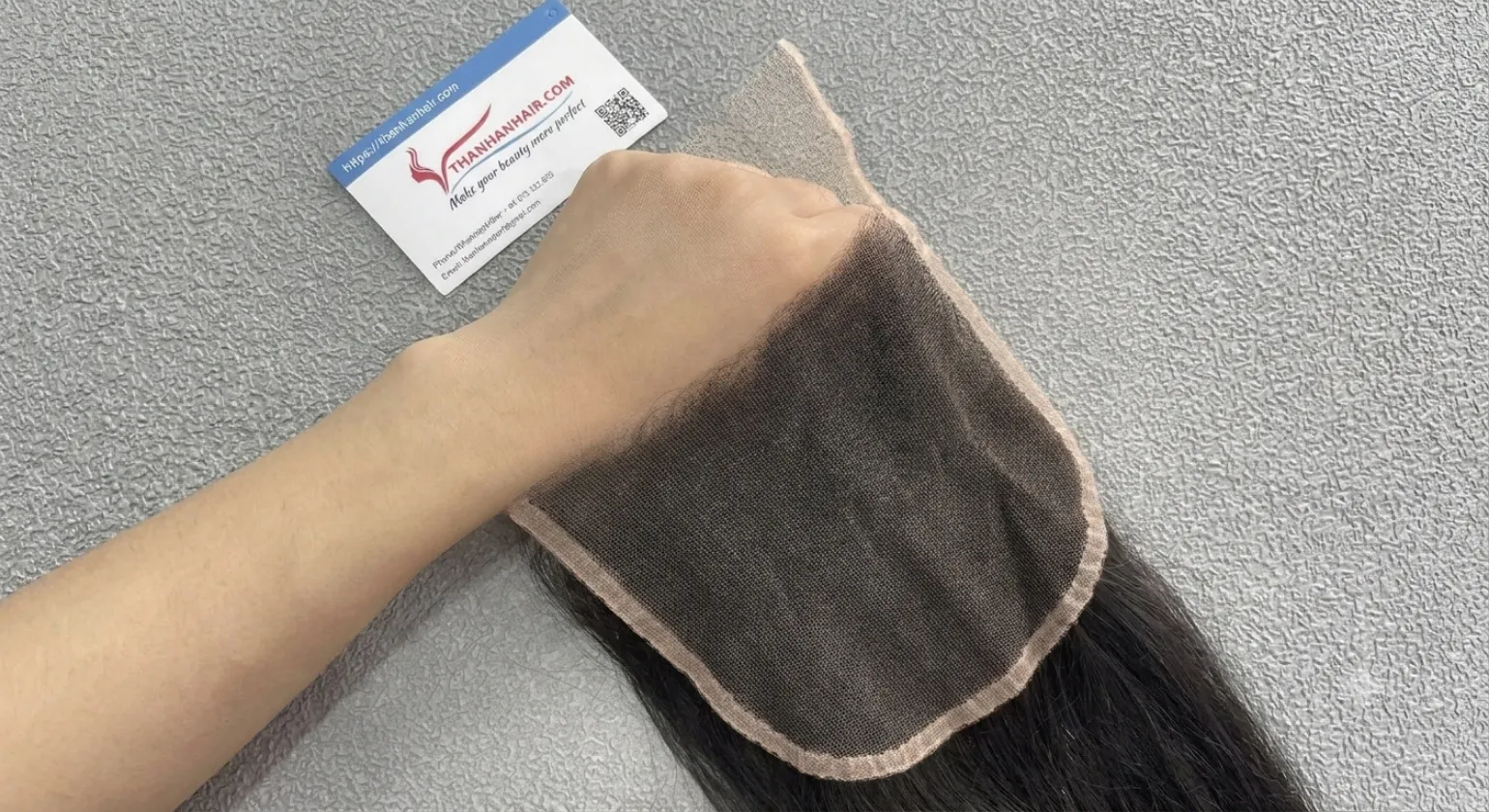
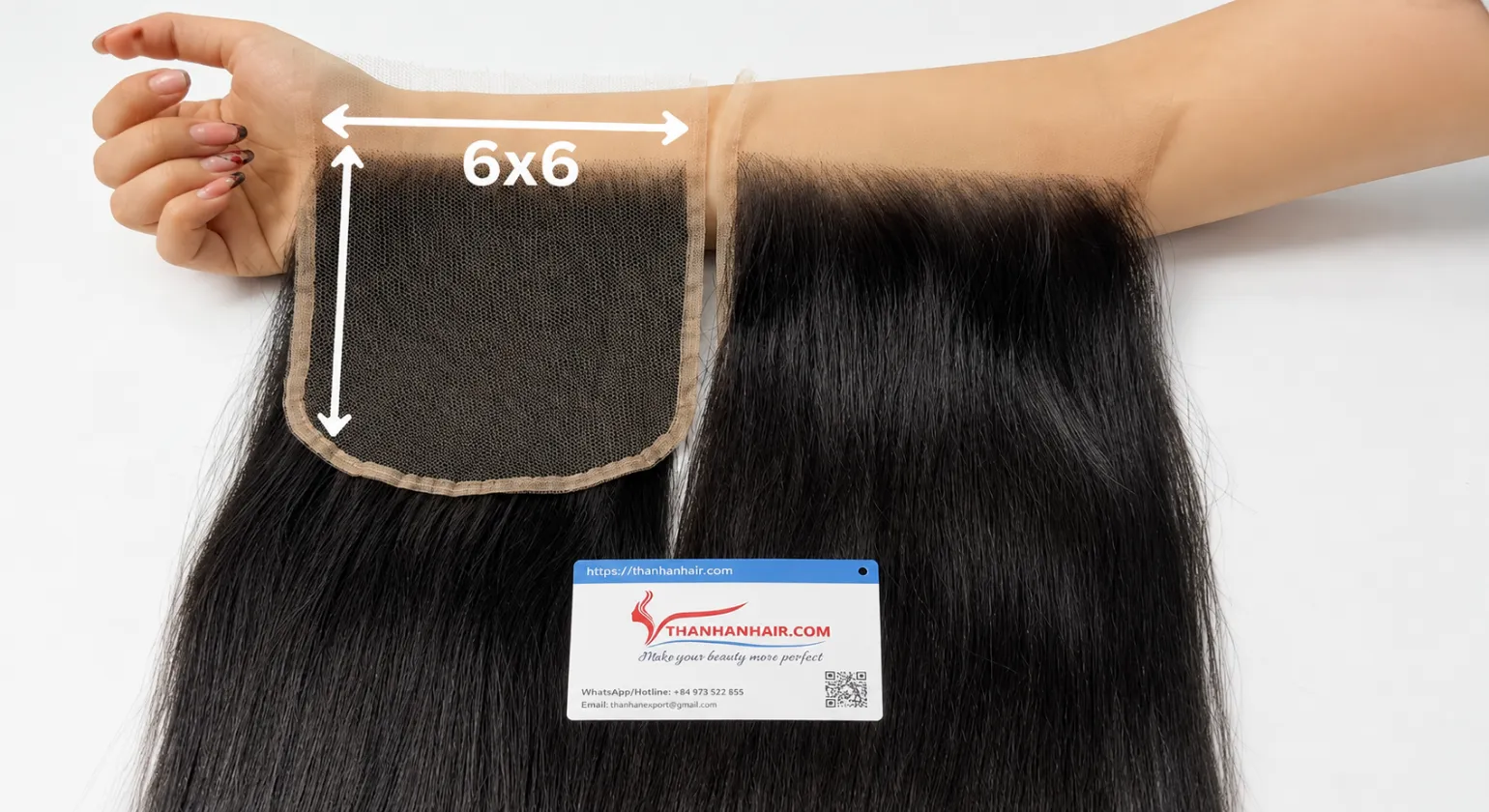
6×6 Lace Closure Wig
A 6×6 lace closure provides a defined lace area for creating a parting style. It may suit customers who prefer closure-based styling rather than a wider frontal area.
=>> Shop now: 6×6 Lace Closure Wig Natural Straight Natural Color Hair, review this closure wig option for your preferred styling needs.
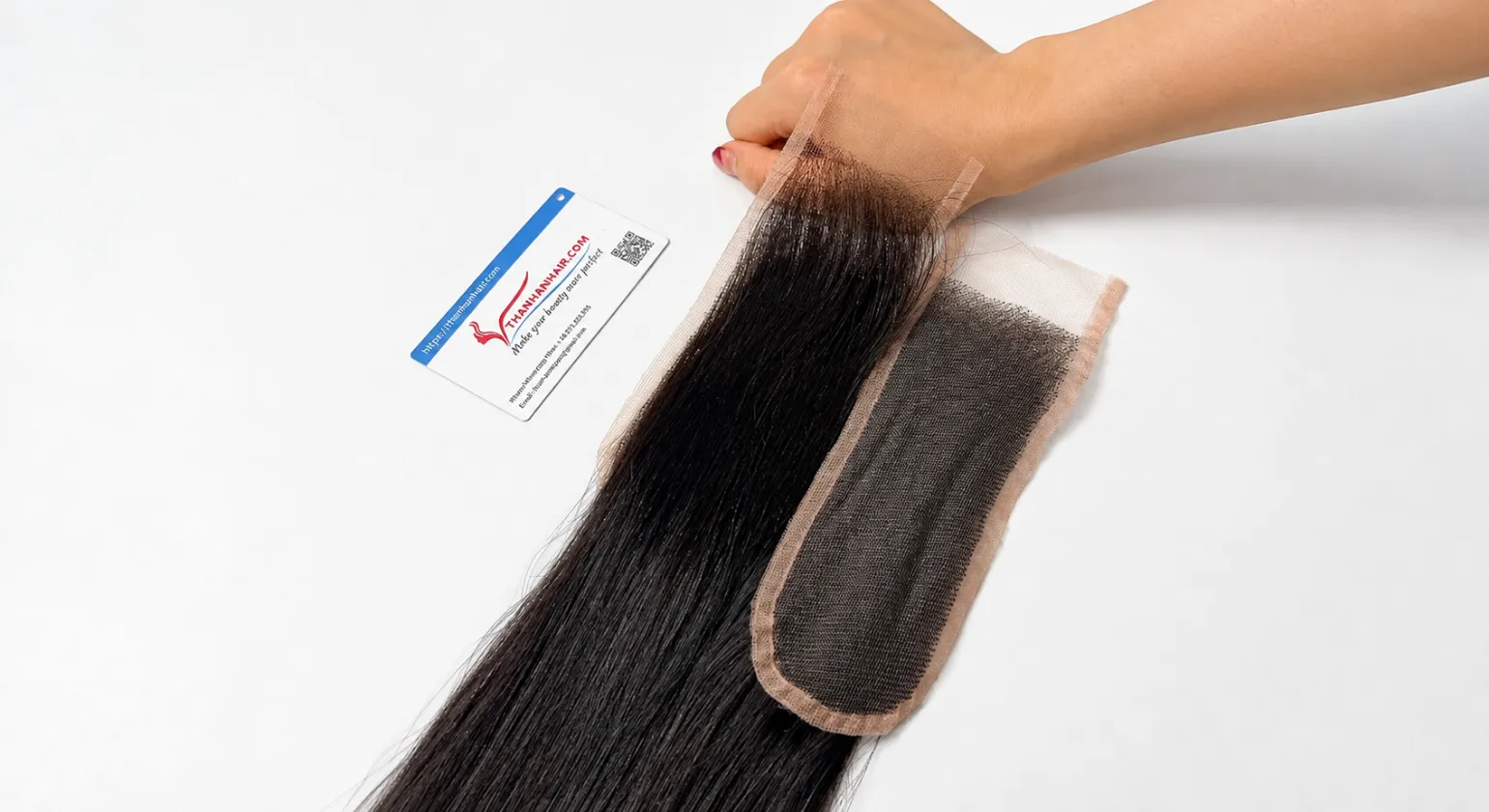
2×6 Lace Closure Wig
A 2×6 lace closure has a narrower lace area. Before choosing this construction, consider whether its parting space and coverage match your preferred hairstyle.
=>> Shop now: 2×6 Lace Closure Wigs Extensions Natural Straight Hair, explore this narrower closure design and review its product details.
4×4 Lace Closure
A 4×4 closure is another option for customers looking for a smaller closure area. Check the product specifications and compatibility with your intended wig construction before ordering.
=>> Shop now: 4×4 Closure for Wig Natural Straight Natural Color Hair, review this closure option before selecting your wig construction.
Browse the Lace Closure and Frontal Collection
If you are still comparing different lace constructions, browse the full collection to review available options.
=>> Shop now: Thanh An Hair Lace Closure & Frontal Collection, compare available lace closure and frontal options for different styling preferences.
Before placing an order, check the product details that matter to your needs, including lace size, hair texture, length, color, cap construction, and customization availability.
What Wholesale Buyers Should Check Before Ordering
For salons, wig businesses, and distributors, product selection involves more than choosing a lace size. You should also confirm product consistency, order quantities, production schedules, and shipping arrangements.
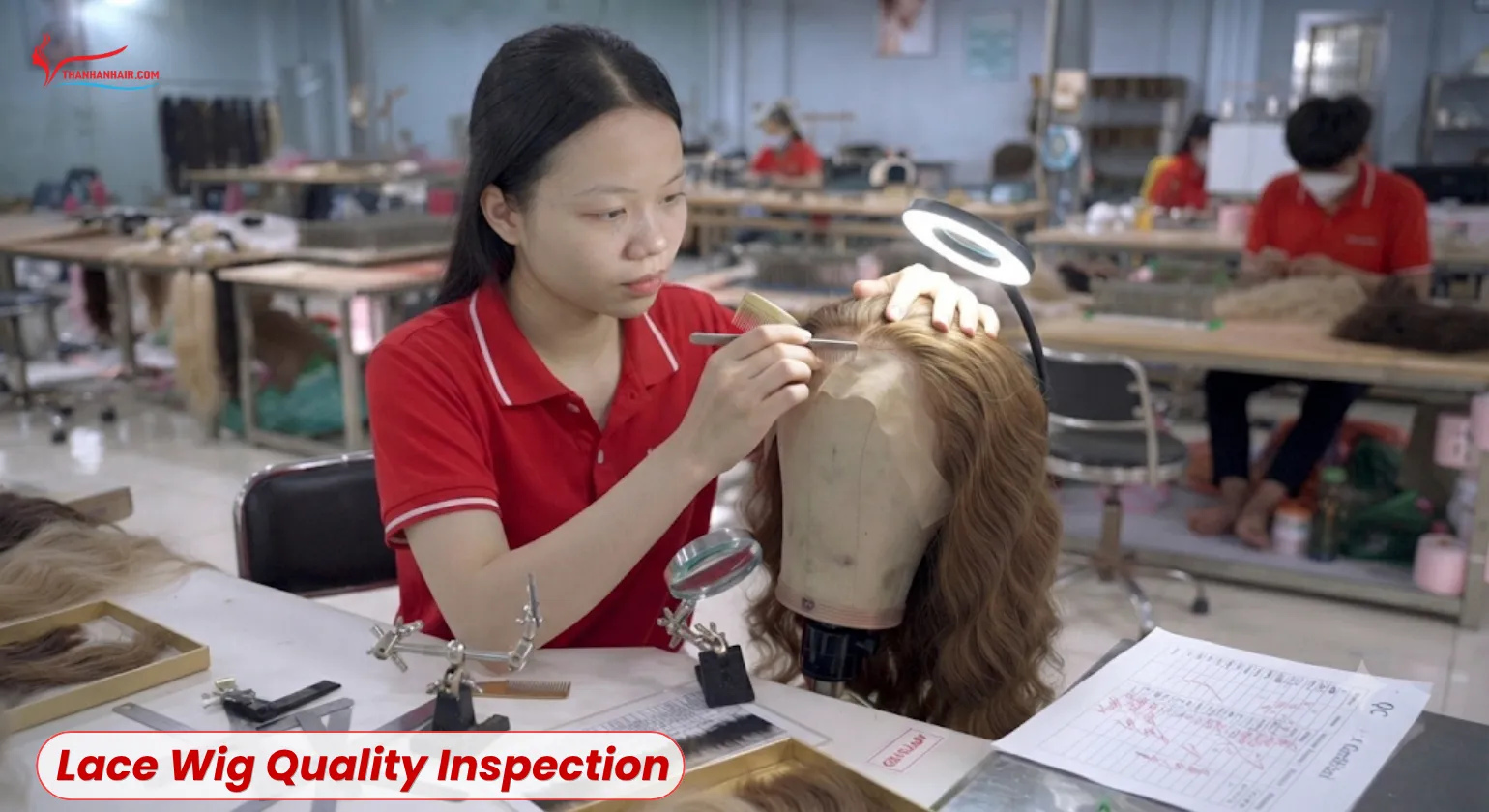
Thanh An Hair is a Vietnamese human hair manufacturer with 13 years of experience. Its factory covers approximately 2,000 m² and has around 300 workers. The company’s production capacity can reach up to 10 tonnes of hair extensions per month; this figure refers to hair extensions, not a specific monthly wig output.
For eligible bulk hair and weft products, the minimum order quantity may start from 1 kg. However, MOQ can vary by product type, so buyers should confirm the requirements for their selected lace wig, closure, or frontal before ordering.
Other business information to confirm includes:
- Processing time: In-stock orders generally take around 1–7 business days. Customized orders may take up to 30 days.
- International shipping: Approximately 3–10 days, depending on the destination and shipping arrangement.
- Defect reporting: Report product defects within 48 hours of receiving the order.
- Returns and exchanges: Eligible requests may be accepted within 7 days, subject to the applicable terms.
- Manufacturing-defect warranty: A 30-day warranty may apply to qualifying manufacturing defects, subject to the warranty conditions.
For wholesale orders, request written confirmation of product specifications, MOQ, production time, shipping estimates, and applicable after-sales terms before making payment.
Conclusion
Learning how to cut lace on a wig requires patience, accurate positioning, and careful trimming. The most important rule is to remove excess lace gradually while protecting the hairline and knots.
Before buying a lace wig, consider the lace construction, coverage, cap fit, and styling preferences. Choosing a suitable product from the beginning can make installation and maintenance easier.
Whether you are purchasing one wig for personal use or sourcing products for a salon or wholesale business, compare the available options and confirm the specifications before ordering.
Frequently Asked Questions
1. Should I cut all the lace off a wig?
No. You should remove only the excess lace around the hairline while leaving enough material for the intended installation. Cutting too close to the hair knots can damage the wig.
2. Can I cut lace on a wig while wearing it?
It is possible, but it requires extra care. If you are inexperienced, use a mannequin head or ask a professional stylist for help to reduce the risk of cutting your hair or damaging the wig.
3. What scissors should I use to cut wig lace?
Use small, sharp scissors that allow precise control. Avoid oversized or blunt scissors because they may tear the lace or create an uneven edge.
4. How do I avoid cutting my wig lace too short?
Start by positioning the wig correctly and identifying the excess lace. Make small cuts, inspect the edge frequently, and avoid removing large sections at once.
5. Does HD lace need to be cut differently from regular lace?
The basic trimming principles are similar, but HD lace is generally more delicate and requires careful handling. Use sharp scissors and avoid pulling or stretching the material while cutting.
6. Can I make a lace wig look natural after cutting?
Yes. A natural-looking result depends on several factors, including suitable lace color, correct wig placement, careful trimming, proper installation, and a realistic hairline. Cutting the lace correctly is an important first step, but it does not guarantee an invisible finish on its own.
Contact Thanh An Hair
If you are choosing a lace wig for personal use, ask for product details and available options before ordering.
For salons, distributors, and wholesale buyers, request product specifications, MOQ, customization information, and a quotation for your selected products.
- WhatsApp/Hotline: (+84) 973 522 855
- Official Website: https://thanhanhair.com/
- Instagram: https://www.instagram.com/thanhanhair/
- Email: thanhanexport@gmail.com