
Raw Vietnamese Hair
How Are Human Hair Wigs Made?
May
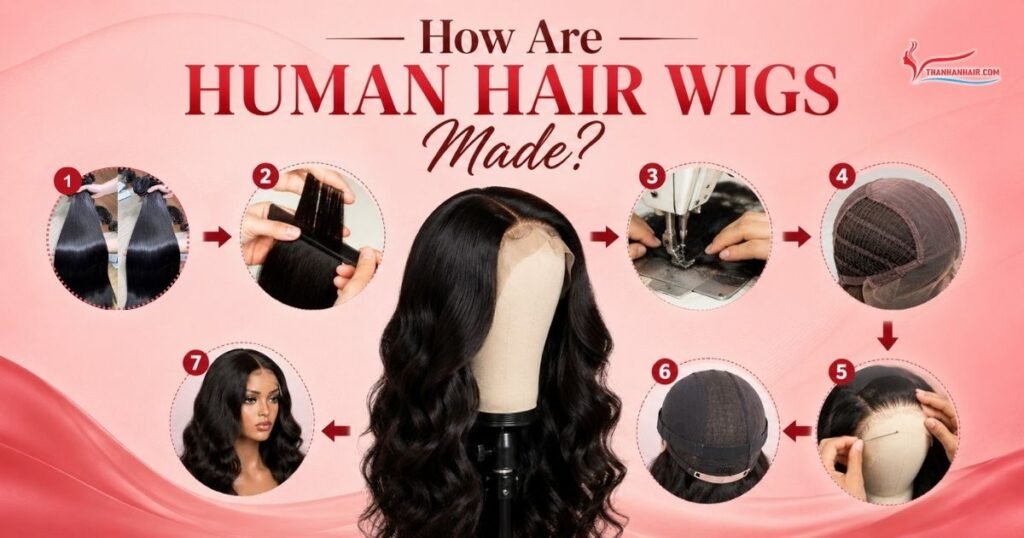
Human hair wigs have become one of the most in demand beauty products worldwide. From celebrities and influencers to everyday consumers, more people are investing in premium wigs for styling flexibility, hair protection, and confidence enhancement. However, many buyers still wonder: how are human hair wigs made?
In this comprehensive guide, you will discover exactly how human hair wigs are made step by step, from sourcing raw hair to creating flawless HD lace wigs ready for sale.
Step 1: Sourcing Raw Human Hair
The first and most important stage in how human hair wigs are made is sourcing high quality human hair. The final quality of a wig depends heavily on the origin and condition of the raw hair.
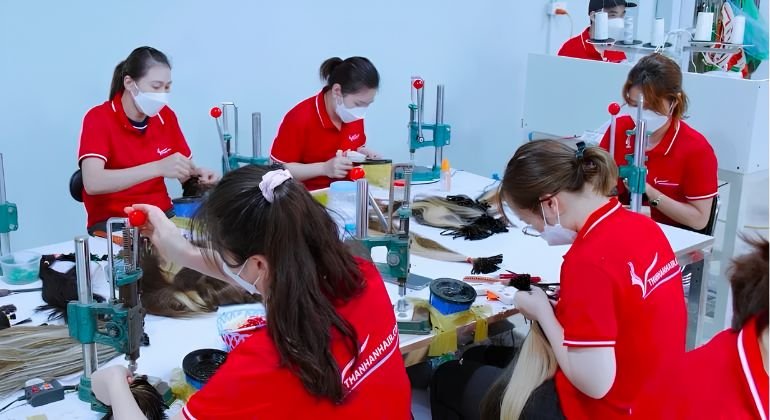
Most premium wig manufacturers source hair from countries known for healthy, strong hair textures, including Vietnam, India, Cambodia, and Brazil. Among these, Vietnamese human hair wigs are highly valued because the hair is naturally thick, silky, and durable. At Thanh An Hair, you can easily find a source of extremely high quality and reliable hair for making wigs.
There are several categories of hair used in wig manufacturing:
Virgin Human Hair
Virgin hair is completely unprocessed hair collected from a single donor. It has never been chemically treated, dyed, or bleached.
Benefits include:
- Long lifespan
- Natural shine
- Minimal tangling
- Strong cuticles
- Excellent heat styling ability
Remy Human Hair
Remy hair keeps all cuticles aligned in the same direction. This reduces friction and prevents matting.
Non Remy Hair
Non Remy hair is usually collected from multiple sources. The cuticles are mixed, which can lead to tangling if not processed properly.
Premium human hair wigs usually use virgin or Remy hair to ensure better quality and longevity.
Step 2: Hair Sorting and Inspection
After the raw hair is collected, manufacturers carefully inspect and sort it. This is a crucial stage in how are human hair wigs made because consistency determines the final appearance of the wig.
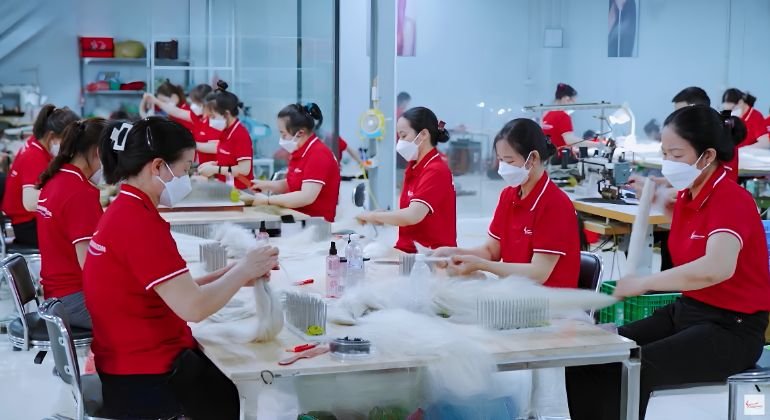
Hair technicians sort the hair based on:
- Length
- Texture
- Color
- Thickness
- Curl pattern
- Overall health
Damaged strands, gray hairs or weak fibers are removed manually.
For high end double drawn hair wigs, shorter hairs are also removed to create full density from top to bottom. This process takes significant time but results in thicker and more luxurious wigs.
Step 3: Cleaning and Sanitizing the Hair
Before moving into production, the hair must be deeply cleaned and sanitized.
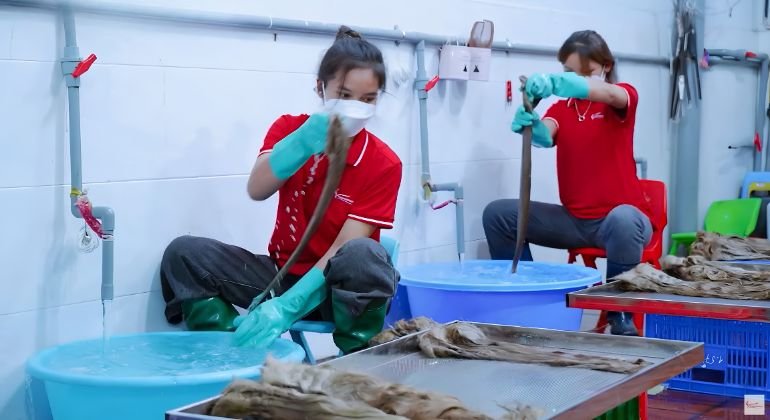
Manufacturers wash the hair using professional cleansing products to remove:
- Dirt
- Oil
- Dust
- Product buildup
- Bacteria
The hair is then disinfected under strict hygiene standards.
This step is essential because premium human hair wigs must remain safe, clean and durable for long term use.
After washing, the hair is naturally airdried or dried using controlled temperature systems to preserve softness and prevent damage.
Step 4: Hair Processing and Coloring
Another important stage in how wigs are made is hair processing.
Depending on customer demand, manufacturers may:
- Bleach the hair
- Dye the hair
- Tone the color
- Create custom shades
- Adjust texture patterns
Premium factories use professional coloring techniques to maintain hair strength and elasticity.
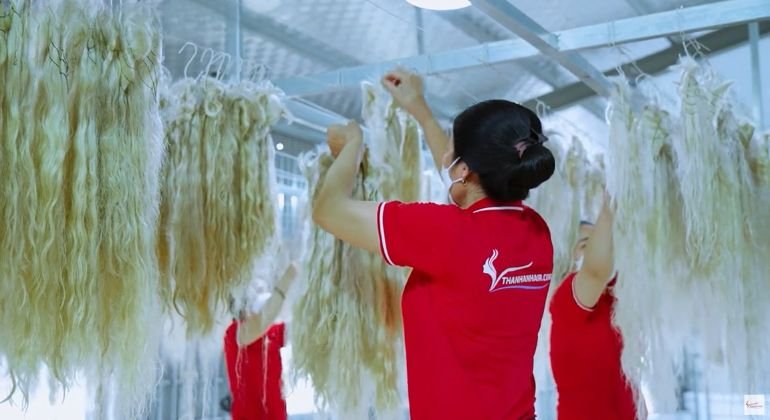
High quality Vietnamese human hair wigs are especially popular for coloring because Vietnamese hair is naturally strong enough to withstand bleaching while remaining soft and smooth.
Common wig colors include:
- Natural black
- Jet black
- Brown
- Blonde
- Burgundy
- Ombre shades
- Highlighted styles
At this stage, texture customization may also occur. Manufacturers can create:
- Straight wigs
- Body wave wigs
- Deep wave wigs
- Curly wigs
- Kinky curly wigs
Step 5: Creating Hair Bundles and Wefts
Once processed, the hair is transformed into bundles or wefts.
A hair weft is created by sewing strands of hair together at the top to form organized tracks. These tracks become the foundation for many human hair wigs.
There are two primary methods:
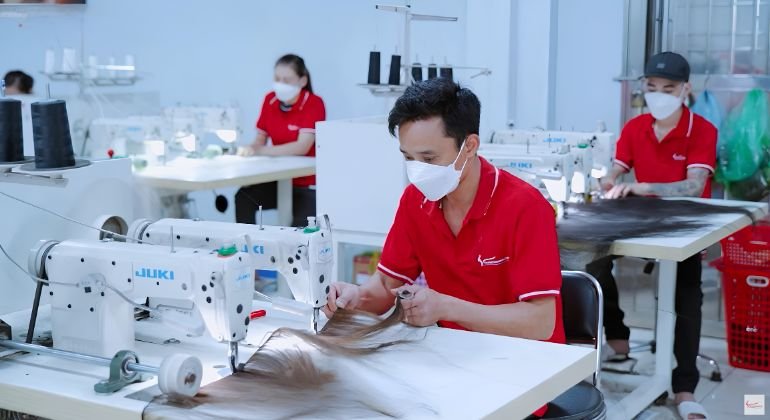
Machine Wefts
Machine made wefts are created using industrial sewing machines. They are:
- Faster to produce
- More affordable
- Durable
- Ideal for volume production
Hand Tied Wefts
Handtied wefts are thinner and more flexible. They provide a more natural appearance but require extensive craftsmanship.
The quality of the weft directly impacts how comfortable and long lasting the wig will be.
Step 6: Designing the Wig Cap
The wig cap acts as the structure that holds the hair together. This stage is one of the most technical parts of how are human hair wigs made.
There are several wig cap constructions:
Lace Front Wigs
These wigs contain lace only at the front hairline for a natural appearance.
Full Lace Wigs
Full lace wigs use lace across the entire cap, allowing versatile styling.
HD Lace Wigs
HD lace wigs use ultrathin transparent lace that blends seamlessly into the scalp.
Glue less Wigs
These wigs feature adjustable straps, combs, and elastic bands for easy installation without glue.
Premium wig caps prioritize:
- Breathability
- Comfort
- Durability
- Natural scalp appearance
Step 7: Ventilating the Hair Into the Lace
One of the most labor intensive steps in how human hair wigs are made is ventilation.
Ventilation is the process of hand knotting individual hair strands into lace material using specialized needles.
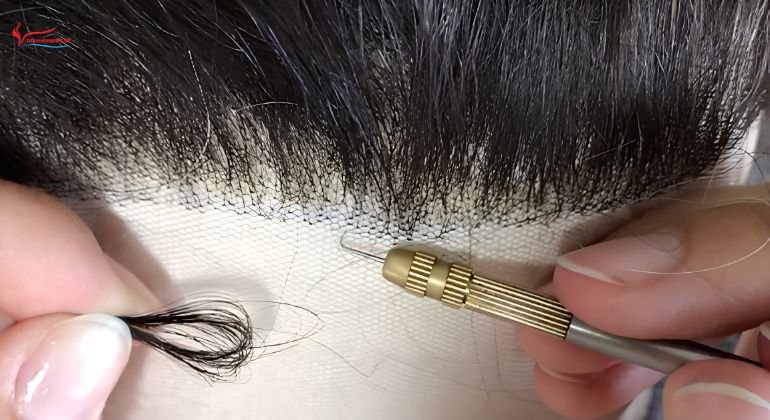
This process requires incredible skill because technicians must:
- Control hair density
- Maintain natural hair direction
- Create realistic hairlines
- Ensure secure knots
A single wig may require thousands of handtied knots.
Handtied wigs usually look more realistic because the hair moves naturally and mimics scalp growth patterns.
This step largely determines whether a wig appears premium or artificial.
Step 8: Sewing and Wig Assembly
After ventilation, the wig enters the assembly phase.
Hair bundles, lace closures, and frontal pieces are sewn together carefully to create the final wig structure.
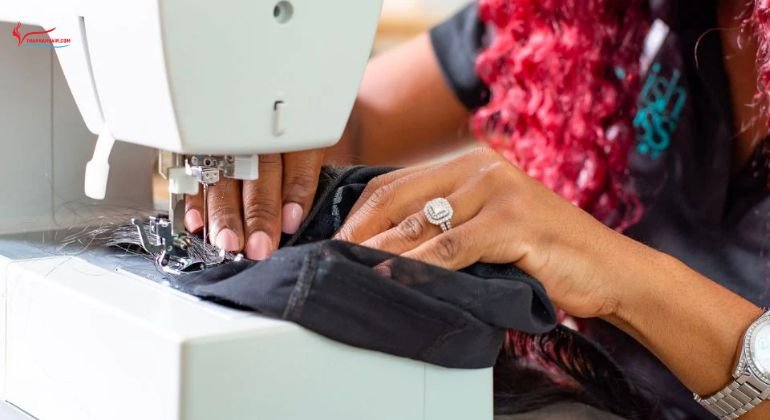
Technicians ensure:
- Balanced density
- Symmetrical shape
- Secure stitching
- Comfortable fit
At this stage, manufacturers also add:
- Adjustable bands
- Wig combs
- Elastic straps
- Extra security features
Custom human hair wigs may undergo additional tailoring based on head size and customer specifications.
Step 9: Cutting and Styling the Wig
Once assembled, the wig is professionally styled.
Stylists shape the wig by:
- Trimming layers
- Customizing the hairline
- Defining curls
- Straightening
- Adding volume
This finishing process transforms the wig into a salon quality product ready for wear.
Premium human hair wigs often receive personalized styling to match current beauty trends and customer preferences.
Step 10: Quality Control and Final Inspection
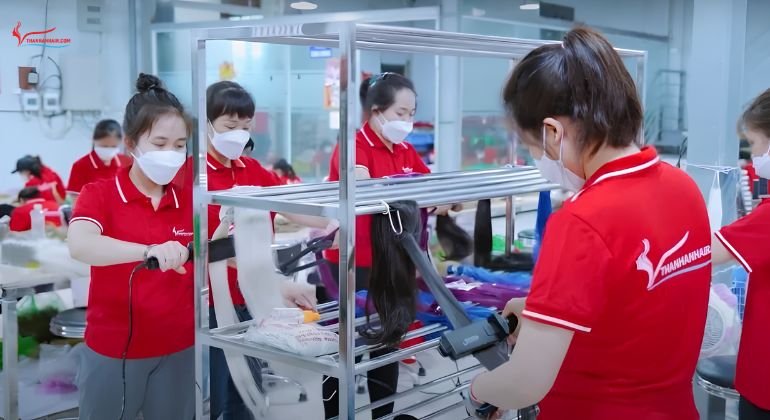
The final step in how are human hair wigs made is quality control.
Reputable manufacturers carefully inspect every wig before shipping.
The inspection process checks for:
- Shedding
- Tangling
- Lace quality
- Density consistency
- Cap durability
- Color accuracy
- Knot security
High quality lace wigs should feel soft, natural, and durable.
Factories that follow strict quality standards often perform multiple inspections to ensure customer satisfaction.
What Makes Premium Thanh An Hair Human Hair Wigs Different?
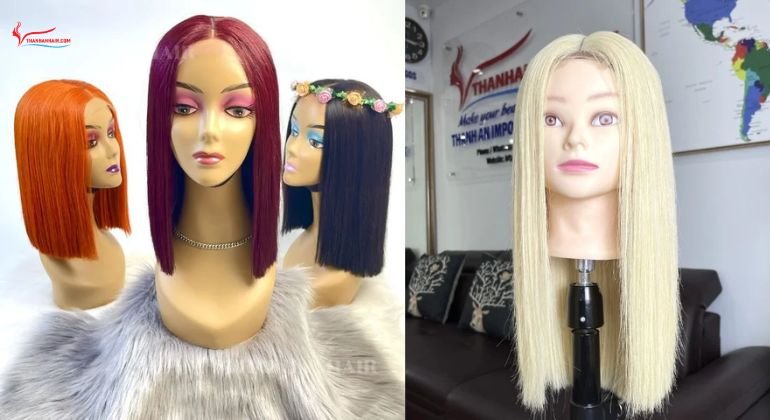
Not all wigs are created equally. Understanding how wigs are made helps buyers distinguish premium wigs from low quality alternatives.
Premium wigs typically feature:
- 100% virgin human hair
- Double drawn density
- HD lace construction
- Handtied ventilation
- Long lifespan
- Minimal shedding
- Natural hairlines
Low quality wigs often use mixed synthetic fibers or poorly processed hair, resulting in tangling and short durability.
Why Vietnamese Human Hair Wigs Are Highly Popular
Vietnamese hair has become one of the leading choices in the global wig industry.
Reasons include:
- Naturally thick strands
- High durability
- Silky texture
- Strong cuticles
- Excellent coloring ability
- Long lifespan
Because of these qualities, many luxury brands prefer Vietnamese human hair wigs for premium collections.
Final Thoughts
Now that you understand how are human hair wigs made, it becomes much easier to identify premium quality products and trustworthy suppliers.
The wig making process involves far more than simply sewing hair together. From sourcing raw human hair to hand knotting HD lace and performing strict quality inspections, creating premium human hair wigs requires expertise, precision, and craftsmanship.
Whether you are a first time buyer, salon owner, or beauty entrepreneur, investing in high quality wigs starts with understanding the manufacturing process behind them.
If you are looking for premium Vietnamese human hair wigs with exceptional quality, durability, and natural beauty, contact us today for expert guidance and exclusive wholesale pricing.
Contact Thanh An Hair today for expert consultation and the most competitive price list.
- WhatsApp/Hotline: (+84) 973 522 855
- Official Website: https://thanhanhair.com/
- Instagram: @thanhanhair
- Email: thanhanexport@gmail.com