
Raw Vietnamese Hair
How to Attach a Fake Ponytail at Home: Easy 2-Minute Guide
Nov
Written by the Thanh An Hair Team | Last updated: November 3, 2026
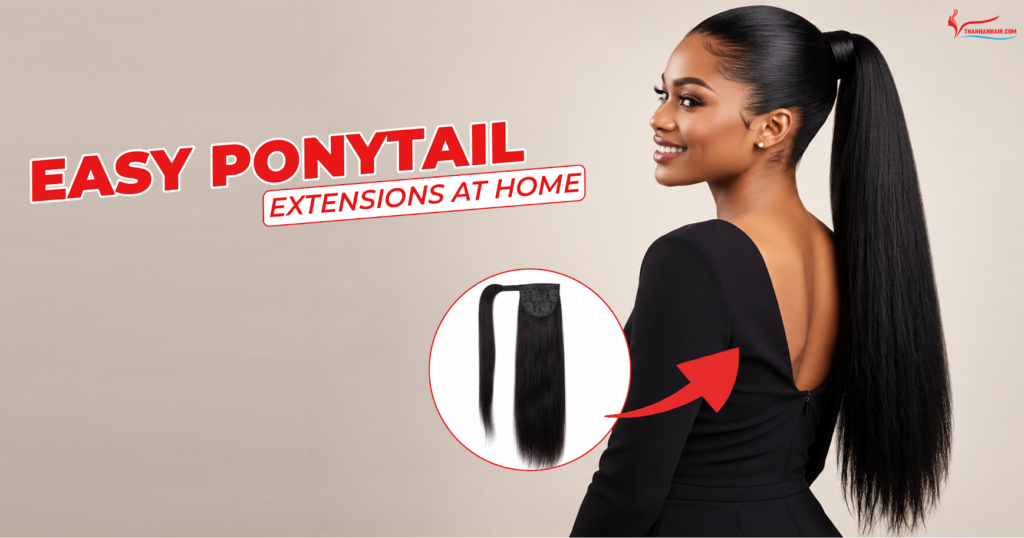
You can attach a fake ponytail at home in about two minutes by securing your natural hair into a ponytail, attaching the hairpiece, and wrapping a strand around the base to conceal the connection. For a natural-looking result, choose a color, length, and texture that match your natural hair, then check that the hairpiece feels secure before heading out.
Fake ponytails are a convenient option when you want to change your look without cutting, coloring, or spending a long time styling your hair. Depending on the design, ponytail extensions use clips or a wrap-around strand to create a longer, fuller hairstyle in just a few steps. To achieve the best result, you need to understand how to attach a ponytail, select the right product, and use the correct wrapping technique.
1. What Do You Need Before Attaching a Fake Ponytail?
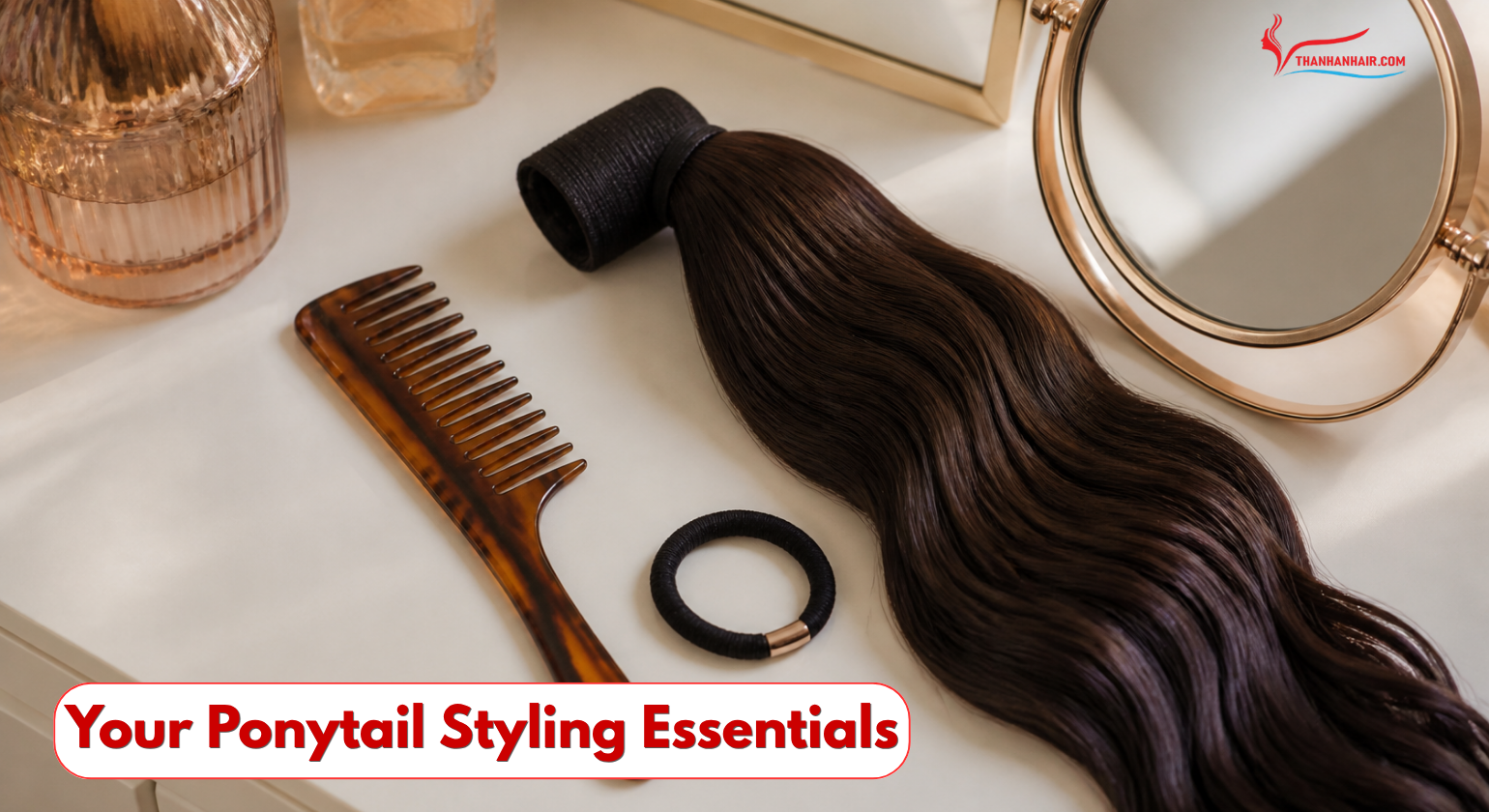
Before learning how to attach a ponytail, prepare a comb, a secure hair tie, a mirror, and a suitable ponytail hairpiece. Some products feature clips, while a wrap around ponytail uses a strand of hair to conceal the attachment point. Check the product construction before you begin so you can follow the correct method.
Choose the Right Ponytail Extensions
When buying a fake ponytail, consider four important factors:
- Color: Choose a shade close to your natural hair, especially around the roots and ends.
- Length: Longer extensions can create a more dramatic look, but the length should complement your height and preferred style.
- Texture: Straight, wavy, and curly hair create different effects. Choosing a texture similar to your natural hair can reduce styling time.
- Attachment method: Check whether the product uses clips, a fastening strap, or a wrap-around strand so you can prepare the right tools.
If you are looking for hair extensions for regular use, review the material, styling limitations, and care instructions provided by the supplier. Not every product can withstand heat or suit every styling technique.
Prepare Your Natural Hair
Brush your natural hair to remove tangles before tying it up. If your hair is very slippery, you may use a suitable lightweight styling product to improve grip, but avoid applying too much product, which can weigh the hair down or cause the attachment to slip.
2. How to Attach a Ponytail in 2 Minutes at Home
If you are new to hair extensions, follow the steps below. Two minutes is a practical target once you have prepared your tools and become familiar with the product. Your first attempt may take longer.
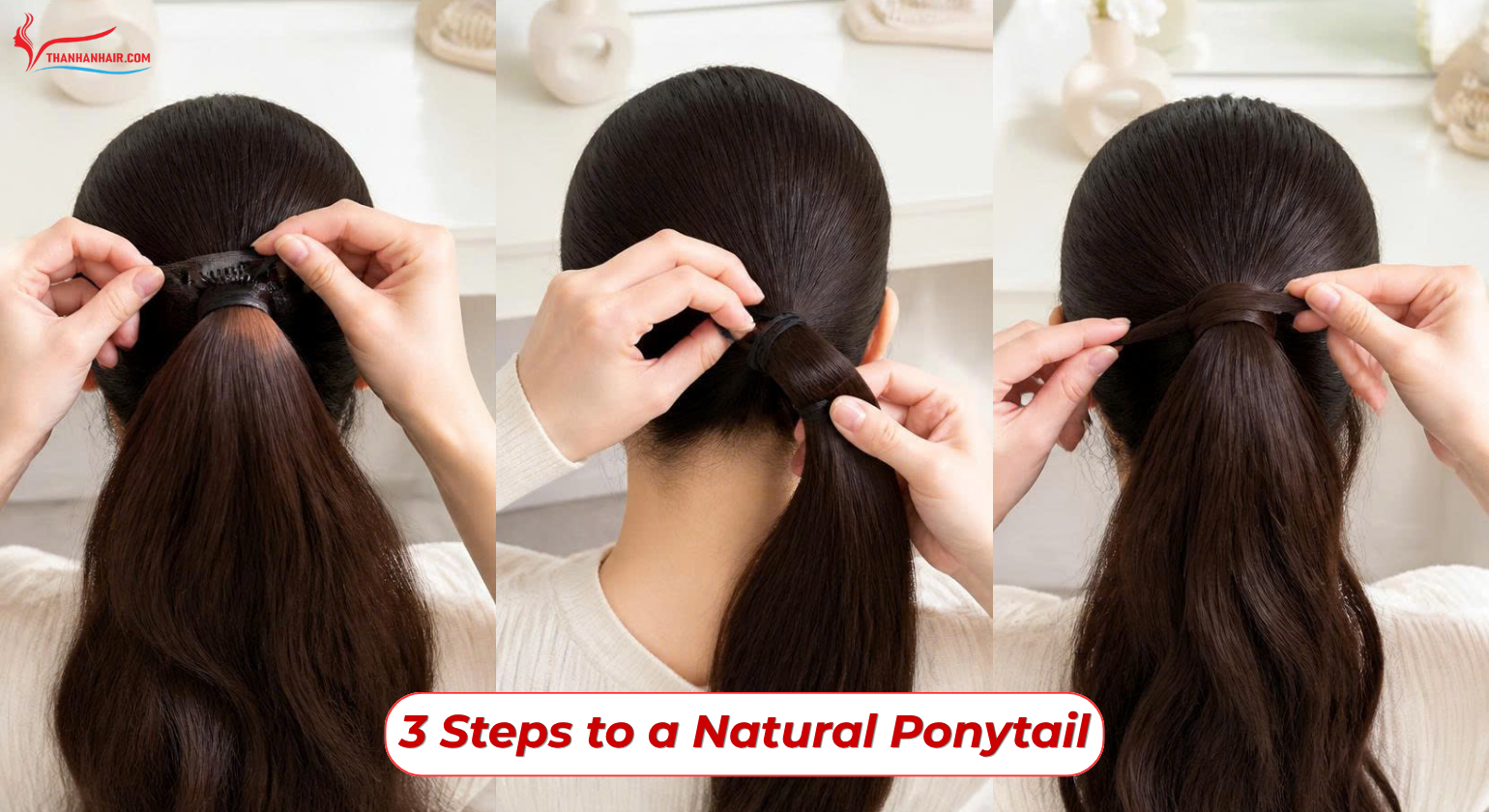
Step 1: Tie Your Natural Hair into a Ponytail
Brush your hair in the direction you want, then secure it into a high, mid-height, or low ponytail. Adjust the position of the hair tie to suit your face shape and preferred style.
This is an important step because your natural ponytail provides the base for the extension. The hair tie should be secure enough to hold the style without being so tight that it causes scalp discomfort.
Step 2: Secure the Hairpiece
Position the attachment section at the base of your ponytail according to the manufacturer’s instructions. If the product has a clip, fasten it securely to the tied hair. If it uses a fastening strap, adjust the strap as directed to keep the hairpiece in place.
For a drawstring ponytail, place the hairpiece over your ponytail or bun, slide the built-in comb into the base, then pull the drawstrings until the hairpiece sits snugly. Tie or tuck the strings under the hair so they stay out of sight.
For clip-in ponytail extensions, check that the clip is closed securely without pulling excessively on your natural hair. Do not attach accessories directly to your scalp or force the product into place if the size is unsuitable.
Step 3: Wrap the Hair Around the Ponytail Base
For a wrap around ponytail, locate the designated wrapping strand. Wrap it around the base of your ponytail in the direction recommended by the manufacturer to conceal the hair tie and attachment point. Secure the end of the strand with the included clip or another method specified in the product instructions.
The correct wrapping technique should cover the connection without pulling the hair too tightly. Wrapping too tightly may place unnecessary tension on your natural hair, while a loose wrap may expose the attachment when you move.
Tension also affects your natural hair over time. The American Academy of Dermatology warns that tightly pulled ponytails can cause traction alopecia, a type of hair loss caused by repeated pulling, and that pain, stinging, or scalp tenting mean a style is too tight. If you notice any of these signs, loosen or remove the ponytail and give your hair a break between wears.
Step 4: Adjust the Shape and Check the Attachment
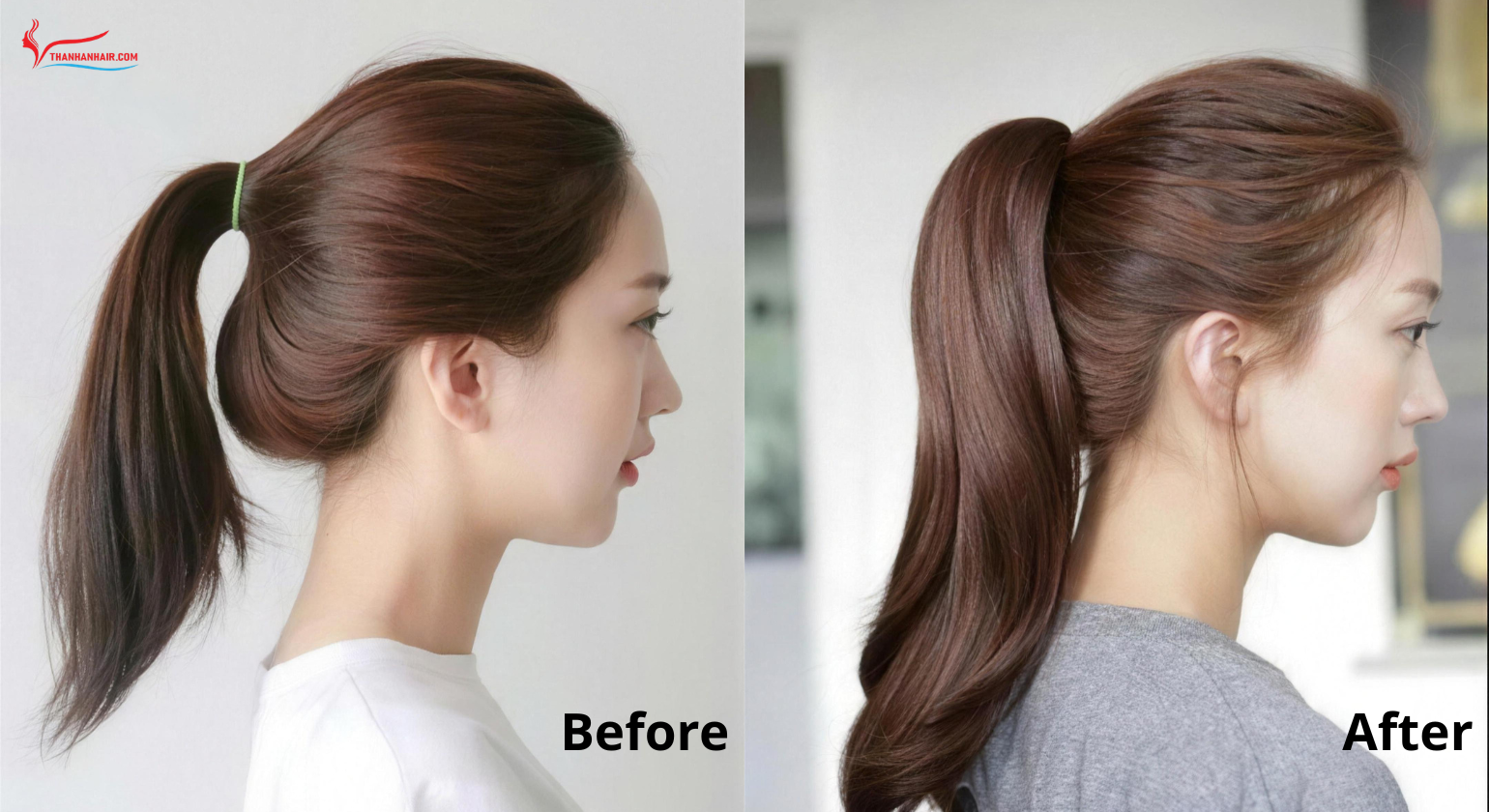
Use your fingers or a suitable comb to blend the extension with your natural hair. Check the front, sides, and back using a mirror. Gently move your head to see whether the hairpiece shifts.
If the extension feels loose, remove it and secure it again instead of pulling on it or adding excessive accessories. This final step helps create a neater, more natural-looking ponytail.
3. Tips for Making a Fake Ponytail Look More Natural
Knowing how to attach a ponytail is only part of the process. Color matching, volume, and attachment placement also influence the final result.
Match the Color and Texture to Your Natural Hair
If your natural hair has multiple tones, compare the extension under natural light instead of relying solely on screen images. Hair color can look different depending on lighting, display settings, and variations between hair batches.
Human hair extensions may allow styling according to the manufacturer’s specifications. For synthetic fibers, check the heat-resistance instructions before using a curling iron or flat iron.
Conceal the Attachment Without Pulling Too Tightly
When using the wrapping technique, spread the designated strand evenly around the ponytail base to conceal the hair tie. Avoid wrapping too many layers, which can make the base look unnaturally bulky. If your wrap around ponytail includes a dedicated wrapping strand, use that section rather than pulling hair from areas not designed for this purpose.
Choose a Length That Suits Your Lifestyle
Extensions that are excessively long or heavy may be more difficult to secure comfortably. If you are new to hair extensions, start with a moderate length and experiment with longer styles once you are comfortable with the attachment method.
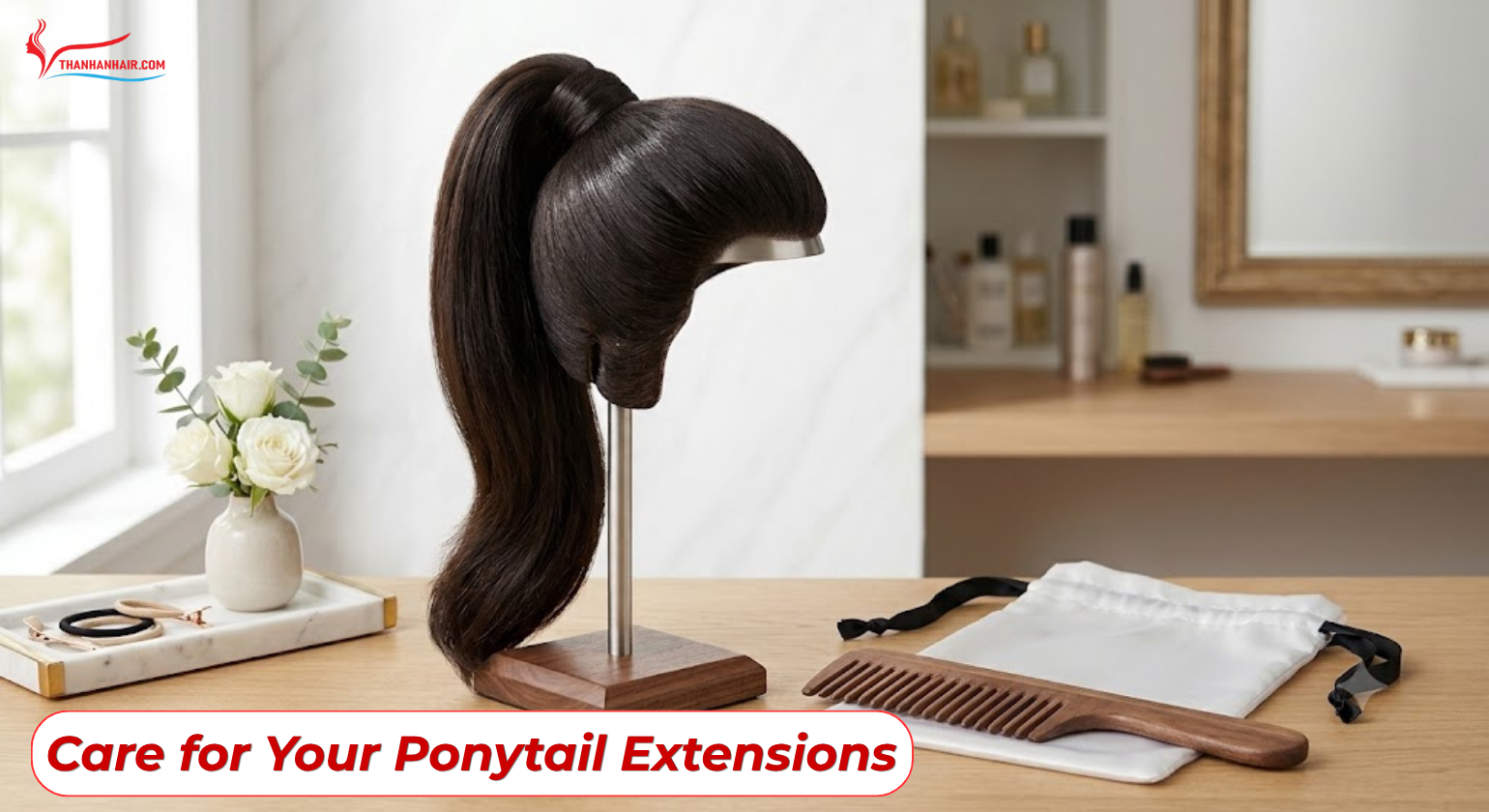
4. How to Care for Fake Ponytail Extensions After Use
To maintain the appearance and condition of your hairpiece, remove it gently after use. Avoid pulling on the clips or tugging at the wrapping strand, as this may damage the construction and place unnecessary tension on your natural hair.
- Detangling: Use a suitable comb and gently work from the ends upward.
- Cleaning: Follow the care instructions for the hair material and product construction.
- Drying and styling: Apply heat only if the manufacturer confirms that the product is heat-resistant.
- Storage: Keep the hairpiece in a clean, dry place. Avoid compressing it, and detangle it before the next use.
- Natural hair care: Avoid excessively tight ponytails or styles that create prolonged pulling on the roots.
If a clip becomes deformed or a fastening strap shows signs of damage, stop using the product until it has been checked. Proper care can help you maintain a neat appearance and use ponytail extensions more conveniently.
5. Where to Buy Fake Ponytail Extensions: Information for Wholesale Buyers
When choosing a fake ponytail, review the material, length, color, texture, and attachment method. Thanh An Hair features a Ponytail Hair category alongside other hair extension products. Retail and wholesale buyers should confirm the specific product details before ordering.
You can browse Thanh An Hair’s hair extension product range to explore the products presented on the website.
MOQ, Processing Time, and Shipping
According to the information published on Thanh An Hair’s wholesale page, bulk hair and weft orders start from 1 kg and wigs from 10 pieces. For ponytail styles, contact the team to confirm the current MOQ.
In-stock orders generally require 1–7 business days for processing. Larger or customized orders may take up to 30 days. International shipping typically takes around 3–10 business days, depending on the destination and carrier.
For customized orders, request written confirmation of the estimated schedule before payment. You can also review the wholesale hair extensions ordering terms and sample options before contacting the company.
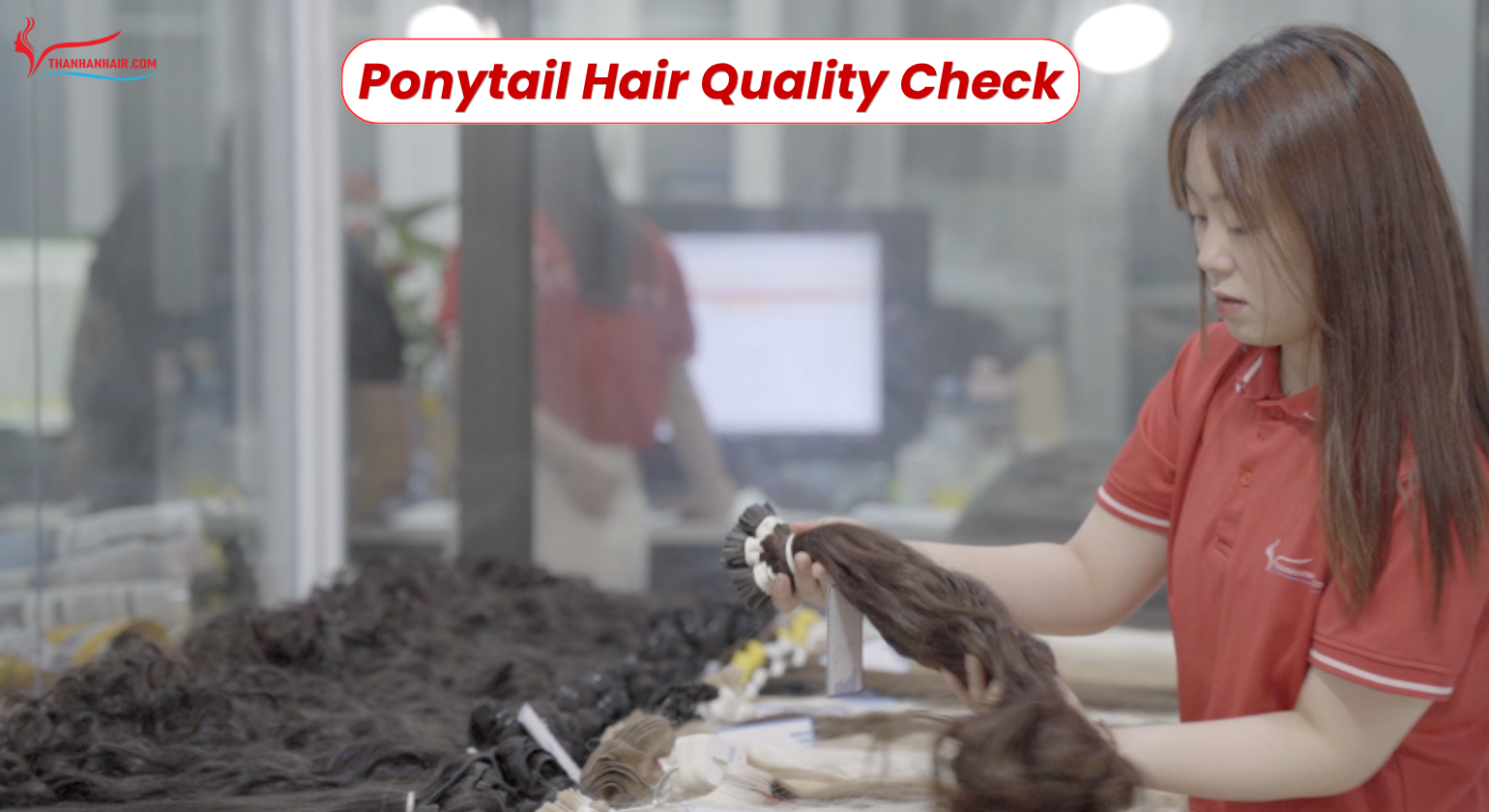
Quality Checks and After-Sales Policies
Thanh An Hair reports that its factory covers approximately 2,000 m² in Bac Ninh, Vietnam, with a workforce of around 300 skilled workers and production capacity of 10 tonnes of hair extensions per month. These figures describe the company’s reported overall manufacturing operation and do not mean that every ponytail style is available in stock.
The supplied policy information also states that customers should report damage or discrepancies within 48 hours of receiving an order. Returns or exchanges are accepted within 7 days of delivery for unused items in original condition, and customized or made-to-order items are non-refundable, while a 30-day warranty applies to manufacturing defects under the relevant policy terms.
A stated color-matching estimate of 80–90% is a reference estimate, not a guarantee of an exact match. Check the current terms, especially for customized products, before payment.
If you need a quotation, MOQ confirmation, or details about available colors and textures, contact Thanh An Hair to request product specifications and sample information.
About Thanh An Hair: Who Wrote This Guide
This guide was written by the Thanh An Hair team. Thanh An Hair is a Vietnamese hair extension manufacturer with its own factory in Bac Ninh province, a head office in Hanoi, and a US representative office in Everett, Washington. The company produces ponytail hair in wrap-around and drawstring styles, alongside bulk hair, wefts, wigs, and other extensions.
The steps and care tips in this guide reflect general hair extension practice. Products differ in construction and material, so always follow the instructions supplied with your hairpiece. If you notice scalp pain, irritation, or hair loss, stop wearing tight styles and consult a dermatologist.
FAQ: Frequently Asked Questions About Ponytail Extensions
1. Can you really attach a fake ponytail in two minutes?
Yes, it may be possible once you have prepared your natural hair and tools and become familiar with the product. Beginners may need more time to secure the extension and adjust its shape.
2. Can you wear a fake ponytail with short hair?
Possibly, depending on your natural hair length and the product’s construction. Your hair needs to be long enough to create a secure base. Check the manufacturer’s instructions before purchasing.
3. How does wrapping hair around the ponytail conceal the attachment?
Use the designated wrapping strand to cover the base, hair tie, and attachment point. Wrap it evenly without pulling too tightly, then secure the end according to the product instructions.
4. Can you curl or straighten ponytail extensions?
It depends on the material. Human hair and synthetic fibers have different styling limitations. Use heat only when the manufacturer’s specifications permit it.
5. Can fake ponytail extensions be reused?
Many ponytail extensions are reusable when removed carefully and maintained according to the manufacturer’s instructions. Their lifespan depends on the material, frequency of use, and care routine.
6. What should you check before buying fake ponytail extensions?
Check the material, color, length, texture, attachment method, care instructions, and return policy. For wholesale or customized orders, confirm the MOQ, production time, and product specifications in writing.
Conclusion
Attaching a fake ponytail at home is straightforward when you choose the right product and follow the key steps: tie your natural hair, secure the hairpiece, wrap the strand to conceal the attachment, and check that everything feels secure. Prioritize a natural color match, gentle handling, and material-appropriate care to achieve a neater, more natural-looking hairstyle.