
Raw Vietnamese Hair
15 Things You Need to Stop Doing to Your Hair (2026 Guide)
The 15 things you need to stop doing to your hair are mostly small daily habits: heat that runs too high, brushing wet hair, over-washing, and high-tension styles. Stop those and most frizz, breakage and dullness fade on their own, with no new products required.
Nobody sets out to wreck their hair. It happens quietly, through everyday habits that feel harmless. Whether you wear your natural hair, rely on extensions, or run a mix of both, the same short list of mistakes is usually behind the frizz, the breakage and the flat shine. The good news: every one of them is fixable. Below are the 15 habits to break, each with the reason it damages your strands and the swap that fixes it. We build raw human hair for a living, so the advice here leans on cuticle science and dermatology research, not folklore.
The damage-and-fix cheat sheet
Short on time? This table is the whole article in one glance: the habit, why it hurts, and what to do instead.
| Stop doing this | Why it damages hair | Do this instead |
| Cranking heat tools to max | 5 min at 185C to 215C damages most hair; keratin degrades | Style at 150C to 180C, one clean pass |
| Brushing wet hair from the roots | Wet hair is at its weakest; combing snaps fibers | Detangle damp hair from the ends up, holding the mid-shaft |
| Skipping heat protectant | The 18-MEA lipid layer burns off; hair turns porous | Apply protectant before every dryer or iron pass |
| Cold rinse to ‘seal’ the cuticle | Temperature does not seal the cuticle; this is a myth | Use a low-pH conditioner; shine comes from alignment, not cold |
| Over-washing an oily scalp | Strips sebum; you cannot train a scalp to make less oil | Wash to your scalp’s oil output, not a fixed calendar |
| Daily tight ponytails and braids | Constant tension causes traction alopecia at the hairline | Rotate loose styles; if a style hurts, it is too tight |
| Stacking chemical services | Bleach, relaxer and perm break bonds with no recovery time | Space services out; use bond-building treatments between |
| Assuming all human hair is equal | Acid-stripped ‘remy’ hair tangles once silicone washes off | Choose cuticle-aligned single-donor raw hair |
1. Stop brushing hard, and stop brushing wet hair from the roots
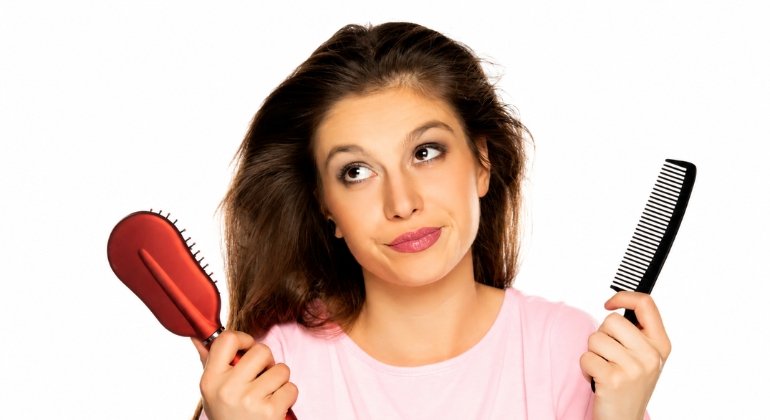
Wet hair is your hair at its weakest. Water swells the shaft and loosens the internal bonds that give a strand its stiffness, so dragging a brush from the roots down tears through knots and snaps fibers before they slide apart. Work from the ends up in small sections, hold the mid-shaft to absorb the tension, and pick a brush that glides instead of one that catches. Over-brushing dry hair is its own problem: friction lifts the cuticle and sends breakage traveling upward over weeks. Gentle and deliberate beats fast and forceful every time. For the damage this prevents at the crown, see our guide to hair breaking at the top of your head.
2. Stop turning your heat tools all the way up
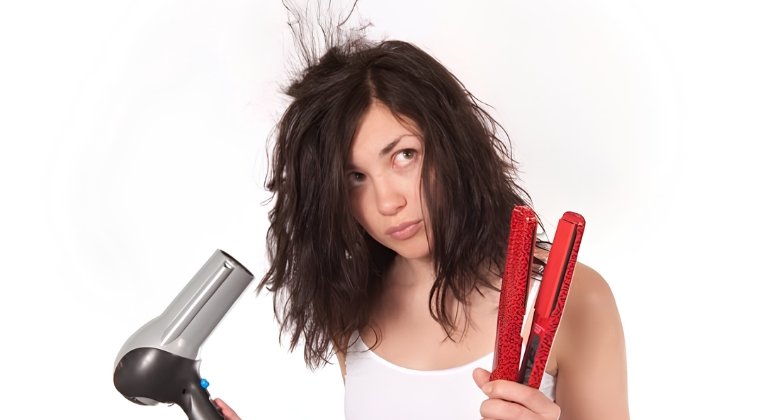
Higher heat is not faster styling; it is faster damage. Laboratory work shows that five minutes at 185C to 215C is enough to damage most hair, and flat irons routinely run past 200C, hot enough to degrade the keratin that holds a strand together (PubMed). Most hair styles cleanly at 150C to 180C, especially with a modern iron. Start low, raise the heat only if a section resists, and pass once instead of five times. Your hair keeps its shine and spring at a temperature that does not cook it.
3. Stop straightening or sleeping on soaking-wet hair

Heat plus water is the most destructive combination for a hair fiber. Dry hair can withstand far higher temperatures than wet hair, because trapped water flashes to steam beneath the cuticle and blisters it from the inside, a documented effect known as bubble hair. Going to bed drenched is a slower version of the same trouble: damp strands stretch under the weight of your head, press into the pillow and snap along friction lines. Dry hair to at least damp before any iron, and get it mostly dry before bed. Our nighttime hair routine walks through protecting hair while you sleep.
4. Stop skipping heat protectant
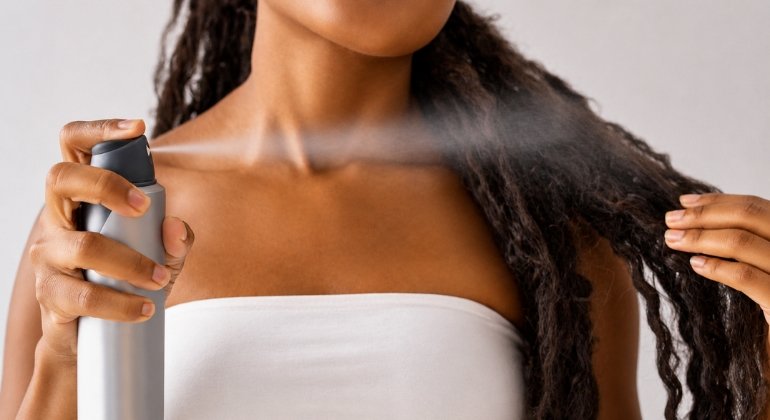
Treat heat protectant like sunscreen you would never leave off. A thin film raises the temperature at which the fiber starts to break down and shields the cuticle’s natural lipid layer, an acid called 18-MEA that gives healthy hair its smooth, water-repelling surface. Once that layer burns away, hair turns porous, rough and dull, and no serum fully restores it. Apply before every dryer, wand or iron pass, even warm airflow. Two seconds of product buys you months of fewer split ends.
5. Stop rough-drying with a terry towel

A regular bath towel is built to grab water, which means it also grabs cuticle. Scrubbing wet hair with terry loops roughens the surface and multiplies knots, so you pay for it again at the brush. Switch to a microfiber towel or a soft cotton t-shirt, and squeeze and blot rather than rub. Then detangle from the ends and add a leave-in. If you have time, let it air-dry; it is the gentlest finish there is.
6. Stop trusting a cold-water rinse to seal the cuticle

This is the most repeated hair myth on the internet, and it is wrong. Cold water does not seal, close or shrink the cuticle for shine. What actually controls how flat the cuticle lies is pH and mechanical alignment: acidic, low-pH products tighten the cuticle and cut static, while alkaline ones lift the scales and raise friction and breakage (Gavazzoni Dias, Int. J. Trichology). Shine comes from a smooth, aligned surface reflecting light, helped by that 18-MEA lipid layer and a light conditioning film, not from water temperature. For a real payoff, use a low-pH conditioner and a comfortable (not freezing) rinse, and let the chemistry do the work. A raw-hair manufacturer lives by this detail, because cuticle alignment is exactly what separates good hair from bad.
7. Stop over-washing, and stop believing you can train your scalp
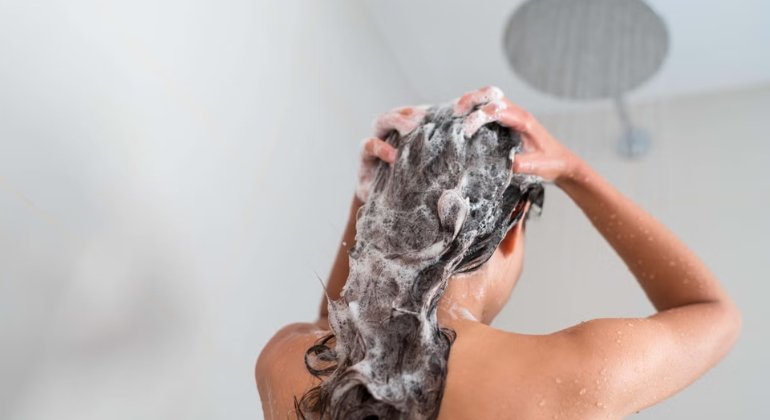
Washing too often strips the sebum that keeps hair flexible, leaving ends dry while the scalp still feels oily. But the popular fix is a myth: you cannot train your scalp to produce less oil by washing less. Oil output is set by hormones and genetics, so skipping washes on an oily scalp just leaves buildup, flakes and irritation. The American Academy of Dermatology advises washing based on how much oil your scalp actually produces, not a fixed calendar. Fine or oily hair may need every day or every other day; coarse, coily or protective-styled hair often does well every seven to ten days. Listen to your scalp, not a rule, and lean on dry shampoo between washes when you need to stretch a day.
8. Stop wearing tight, high-tension styles every day
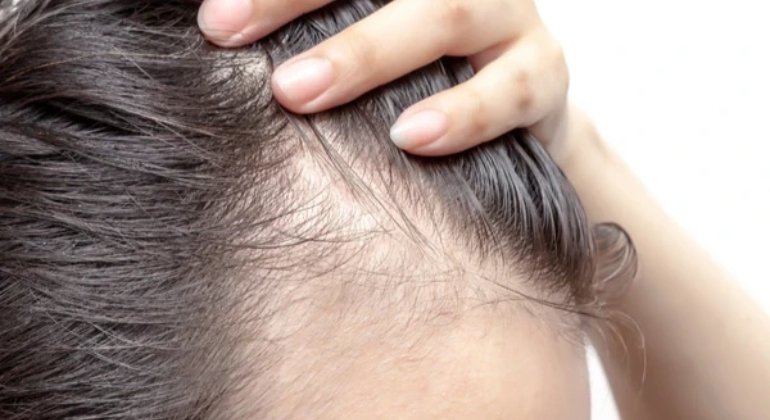
Slick ponytails and tight braids look sharp, but daily tension pulls hair straight out of the follicle. Repeated over months, this causes traction alopecia, a preventable but potentially permanent hair loss that starts at the hairline and temples (AAD). Early signs are small bumps, redness and soreness around the follicles; left unchecked it can scar and stop regrowing (StatPearls). Dermatologists use a simple test: if the style hurts, it is too tight. Rotate loose styles in, keep braids and weaves in for no more than a couple of months, and give your hairline regular breaks.
9. Stop stacking chemical services with no recovery window
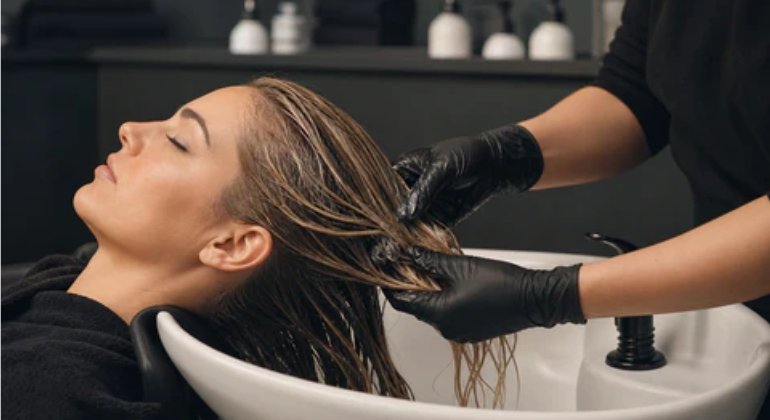
Bleach, permanent color, relaxers and perms all break structural bonds inside the shaft, and running them back to back leaves no time to rebuild. Combining relaxers with extensions is the highest-risk pattern of all: one study found traction alopecia in 31.7 percent of women who relaxed or permed their hair. Space services out, use bond-building and hydrating treatments between them, and never put relaxer over already-relaxed hair. Treat chemical processing like heavy training that needs rest days.
10. Stop letting split ends travel
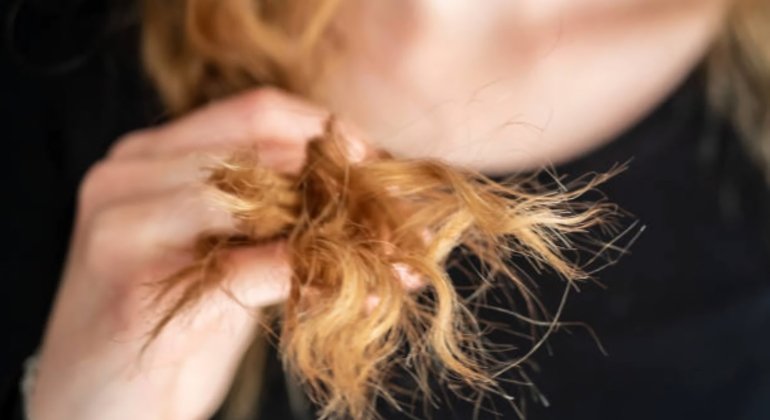
Split ends do not heal, whatever the bottle promises. Once a fiber splits, the only fix is to cut above the split, and ignoring it lets the tear climb the shaft, thinning the strand and making the whole length look frayed. A trim every twelve to fourteen weeks removes the damage and keeps the mid-lengths intact, which is why regular cuts make hair look thicker and grow out cleaner, even though growth happens at the scalp.
11. Stop using products that fight your hair type or strip your extensions
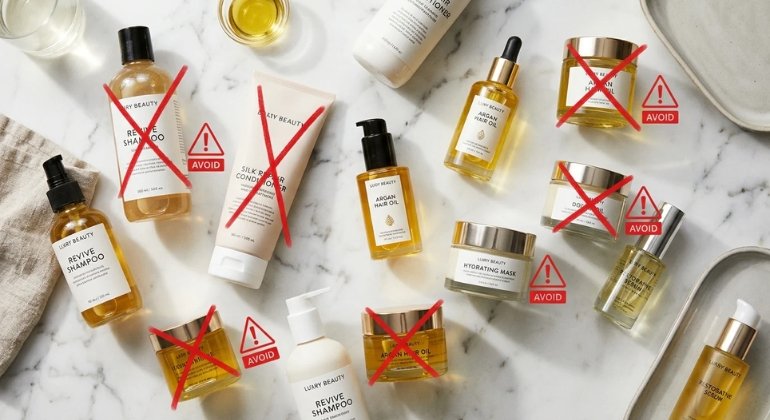
One formula does not fit every head. Fine hair goes limp under heavy oils and butters; coarse or curly hair stays thirsty on a basic conditioner. Extensions are their own case: sulfates and drying alcohols dissolve the bonds and coatings that keep wefts and tips smooth, cutting their lifespan fast. Match products to your texture, and choose sulfate-free, alcohol-light formulas for any human-hair extensions. New to this? Start with our hair extensions guide for beginners.
12. Stop forgetting the weather, the water and the sun

Your hair meets the environment all day, and it keeps score. UV fades color and weakens the surface, chlorine and hard water strip moisture and leave mineral buildup, and cold, dry air makes strands brittle. Rinse with fresh water before and after swimming, wear a hat in strong sun, switch to a richer conditioner in winter, and clarify occasionally if you live with hard water. Treat your hair the way you treat your skin: aware of the forecast.
13. Stop styling with worn-out tools
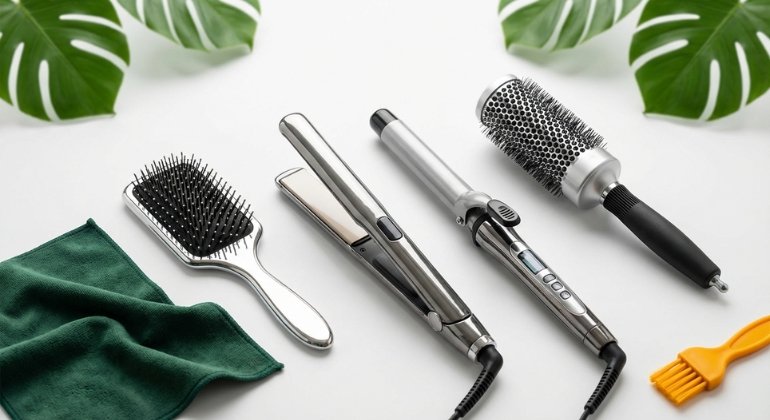
Old tools sabotage good habits quietly. Straighteners with failing plates deliver uneven heat that scorches random sections, dryers that overheat cook the surface, and brushes missing bristles snag and tear. Cheap elastics with metal crimps cut into strands. Replace the tools that have seen better days, choose adjustable heat and smooth bristles, and pick soft, snag-free hair ties. Good technique cannot save you from a tool that is working against you.
14. Stop assuming every human hair behaves the same
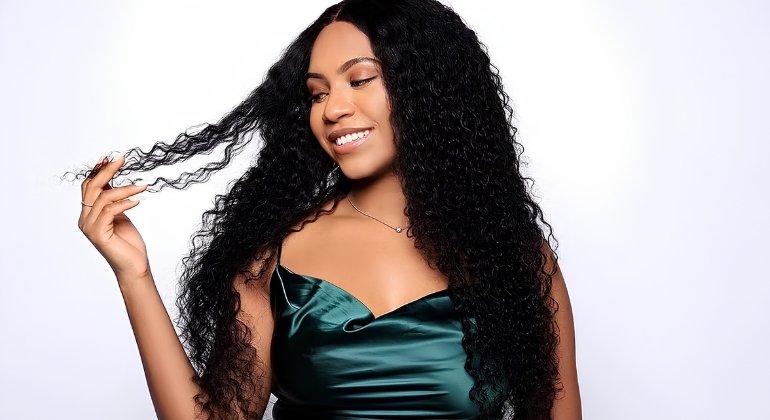
Here is what most guides will not tell you, because they buy hair rather than make it. Not all human hair is equal, and the difference is the cuticle. In true raw, single-donor hair, every cuticle points the same direction from root to tip, so strands lie flat, reflect light and resist tangling for years. Cheaper remy hair is often stripped in an acid bath to hide mixed cuticle directions, then coated in silicone that washes off within weeks, leaving a matted, dull mess. If your extensions felt luxurious for a month and then turned, the hair was the problem, not your routine. As a factory that sources cuticle-aligned raw hair, we build products around exactly this, which is why single-donor weft construction matters more than any single care step.
15. Stop having no routine at all
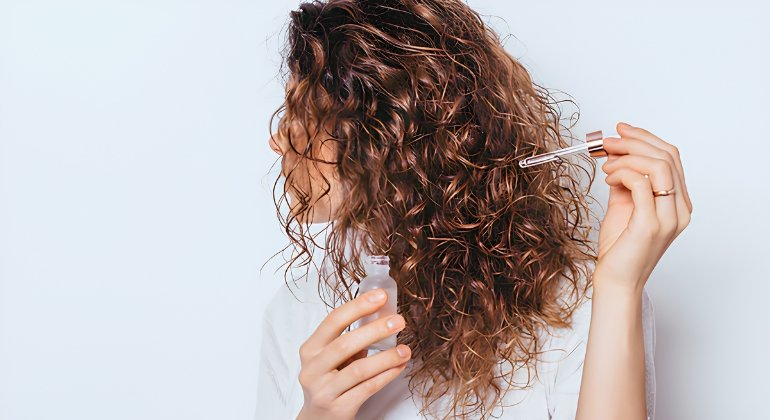
Sometimes hair struggles because it is neglected, not abused. Healthy hair runs on consistency: gentle cleansing on your scalp’s schedule, conditioning every wash, a weekly mask, trims on time, heat protectant every time, and enough water and protein in your diet. None of it is complicated. Pick the habits above that apply to you, make them automatic, and let a few weeks pass. The payoff shows up in the mirror as shine instead of stress. If your texture has shifted lately, our guide on why hair texture changes explains what to check.
How to reset a damaged-hair routine in one week
You do not need a full overhaul. This one-week reset stacks the highest-impact changes from the list above into a routine you can keep.
- Audit and retire the damage
Put away the terry towel and any tool with failing plates or missing bristles. Set your iron’s default to 150C to 180C and commit to a single pass per section. - Reset your wash rhythm
Match washing to how much oil your scalp produces, not a schedule. Use a sulfate-free, low-pH shampoo and conditioner, cleanse the roots, and condition the ends. - Detangle the safe way
On damp, not soaking, hair, work from the ends upward in small sections with a brush that glides. Hold the mid-shaft so tension never reaches the roots. - Protect before every heat pass
Apply heat protectant to every section before any dryer, wand or iron. Dry hair to at least damp before styling, and never iron soaking-wet hair. - Lower the tension
Swap daily tight styles for loose ones, rotate your part, and keep braids or weaves in for no longer than a couple of months to protect your hairline. - Give it two to four weeks
Add a weekly mask and a timely trim, then judge results. Healthier habits show up before new length does, so measure by feel and shine, not the tape.
Frequently asked questions
How long does it take to see healthier hair after changing these habits?
Most people notice less frizz and breakage within two to four weeks, because you stop creating new damage right away. Existing damage grows out over months, so pair better habits with a timely trim. Hair grows about one centimeter a month, so length takes time.
Does cold water really make hair shinier?
No. Cold water does not seal the cuticle or add shine. Shine comes from a smooth, aligned cuticle reflecting light, which is governed by pH, surface lipids and low-pH conditioning, not water temperature. Use a low-pH conditioner for real, lasting smoothness instead.
What temperature should I use on my flat iron or wand?
Aim for 150C to 180C (300F to 356F) for most hair, and only go higher for very coarse or resistant sections. Research shows five minutes at 185C to 215C damages most hair, so a lower setting and one clean pass protect your strands.
How often should I actually wash my hair?
Wash based on how much oil your scalp produces, not a fixed schedule. Fine or oily hair often needs daily or every-other-day washing; coarse, coily or protective-styled hair may do well every seven to ten days. You cannot train your scalp to make less oil.
Can tight ponytails and braids cause permanent hair loss?
Yes. Repeated tension can cause traction alopecia, which starts at the hairline and can become permanent if ignored. Early signs include small bumps, redness and soreness. Dermatologists say if a style hurts, it is too tight, so rotate loose styles and take breaks.
Why do my extensions go dull and tangled after only a few weeks?
Usually the hair, not your care. Acid-stripped ‘remy’ hair is coated in silicone that washes off within weeks, exposing mixed cuticle directions that tangle and dull. True single-donor raw hair keeps its aligned cuticle and stays smooth far longer with basic care.
Change two habits this week
You do not need to overhaul everything at once. Swap two or three of these habits this week and watch your hair steady itself. And if you are a salon owner or reseller who wants hair that stays smooth because the cuticle is genuinely aligned, not chemically masked, talk to our team about factory-direct, single-donor raw hair.
Contact Thanh An Hair today for expert consultation and the most competitive price list.
- WhatsApp/Hotline: (+84) 973 522 855
- Official Website: https://thanhanhair.com/
- Instagram: @thanhanhair
- Email: thanhanexport@gmail.com