
Thanh An Hair
Sew In Hair Extension Maintenance: The Complete Guide to Weave Extensions
Jul
Sew in hair extension maintenance comes down to five habits: wash the braided base every one to two weeks with a diluted sulfate-free shampoo aimed at the scalp, condition only the mid-lengths and ends, dry the wefts and cornrows completely, moisturize your leave-out, and book a professional move-up every six to eight weeks. Done consistently, this routine keeps weave extensions shiny, odor-free, and gentle on the natural hair underneath.
A sew in stays on your head for weeks at a time, so it needs more than the occasional rinse. This guide is written from a manufacturer’s side of the mirror. We make the wefts that stylists sew in, so we care about two outcomes at once: a weave that stays beautiful, and a scalp that stays healthy. Below you will find a maintenance schedule, a step-by-step wash routine, the scalp-health science most care articles skip, and the reason the weft you choose changes how the whole install wears.
What Is a Sew In Weave, and Why Maintenance Matters
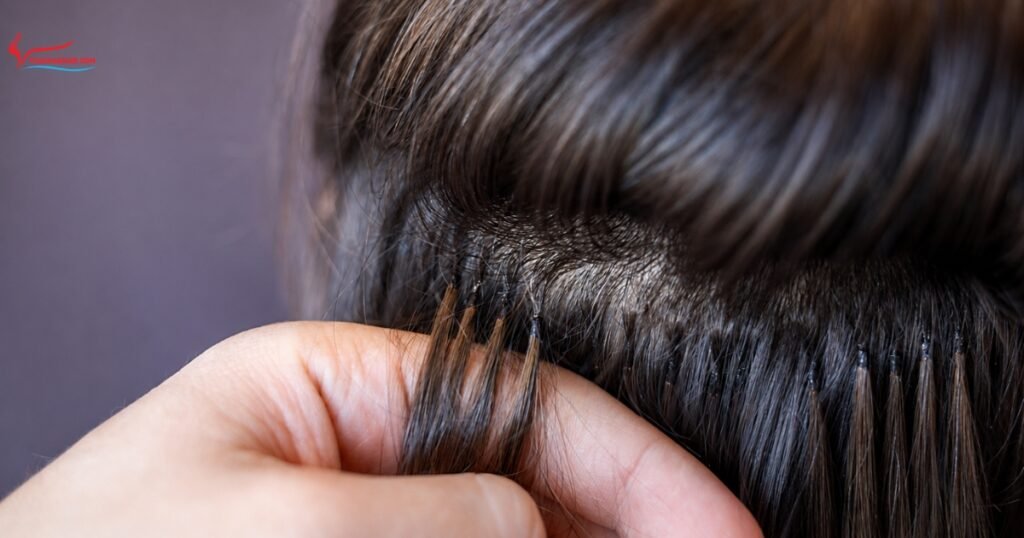
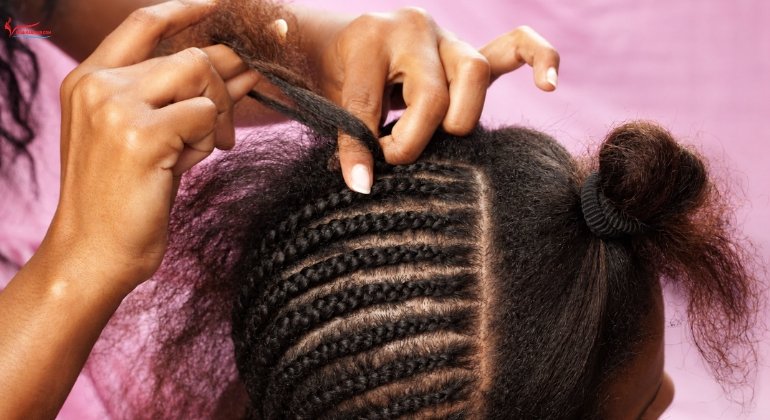
A sew in weave, also called weave extensions, is a set of human-hair weft hair extensions stitched with a needle and thread onto cornrows braided flat against the scalp. Some installs leave a small section of your own hair out to blend on top. Others are finished with a lace closure or frontal so no leave-out is needed. Because the install is semi-permanent, the braided base traps sweat, sebum, and shed skin cells, which is exactly why a real routine matters.
Human hair now leads the wigs and extensions category, at roughly two thirds of the market by value in 2025, according to Grand View Research. That matters for care because a human-hair sew in behaves like the hair growing from your head. It rewards washing, moisture, and gentle handling, and it punishes the set-and-forget approach that cheaper synthetic pieces tolerate.
Your Sew In Maintenance Schedule at a Glance
Consistency beats intensity. This schedule keeps weave extensions fresh and protects your natural hair without turning maintenance into a second job.
| Task | How often | Why it matters |
|---|---|---|
| Cleanse the scalp and braided base | Every 7 to 14 days | Removes sweat, sebum, and product that cause itching and odor |
| Deep condition mid-lengths to ends | Weekly | Replaces the moisture that washing and heat strip from human hair |
| Dry the base and wefts fully | After every wash | Prevents mildew, bacteria, and the smell weaves are known for |
| Moisturize the leave-out and braids | 2 to 3 times a week | Keeps your own hair supple and reduces breakage |
| Wrap in silk or satin overnight | Nightly | Cuts friction and frizz and protects your edges |
| Professional move-up or reinstall | Every 6 to 8 weeks | Relieves tension as your natural hair grows out |
| Full removal and scalp reset | By 2 to 3 months | AAD guidance to protect follicles from prolonged tension |
How to Wash Sew In Weave Extensions, Step by Step
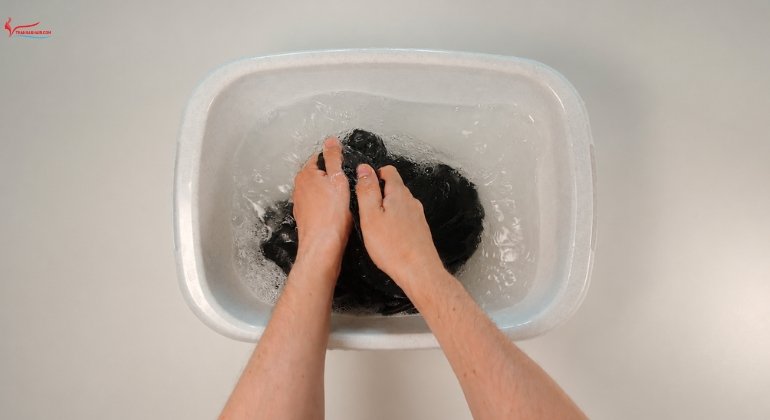
Washing is where most sew in hair extension maintenance goes right or wrong. The goal is a clean scalp and clean tracks, followed by a base that dries all the way through. Follow these steps.
- Detangle before you wet the hair. Starting at the ends and working up toward the wefts, loosen tangles with a wide-tooth comb or a loop brush. Detangling dry prevents the hair from matting once it is wet.
- Dilute a sulfate-free shampoo. Mix a sulfate-free shampoo with water in an applicator bottle. A thinner formula reaches the scalp between the cornrows and rinses out cleanly without leaving residue.
- Cleanse the scalp, not the length. Apply the diluted shampoo along the braid partings and massage with your fingertips. Let the suds run down the wefts. The American Academy of Dermatology advises massaging shampoo into the scalp and letting it flow through the length rather than scrubbing the hair.
- Rinse until the water runs clear. Rinse with lukewarm water until no product remains. Leftover shampoo and conditioner are a leading cause of buildup, itching, and dullness.
- Condition the mid-lengths and ends only. Smooth a lightweight conditioner or mask through the mid-lengths and ends. Keep it off the roots and the wefts so the tracks do not loosen or slip.
- Finish with a cool rinse. A final cool rinse helps the cuticle lie flat, which adds shine and reduces frizz on human-hair wefts.
- Dry the base completely. Blot with a microfiber towel, then air-dry or use a dryer on a cool-to-warm setting until there is no dampness at the tracks or between the braids. Full drying is what prevents the mildew smell that neglected weaves develop.
- Conditioning, Moisture, and the Hair You Cannot See
Washing removes oil and product. Conditioning puts moisture back. Once a week, work a lightweight deep-conditioning mask through the mid-lengths and ends of your weave extensions, leave it for ten to fifteen minutes, and rinse. Keep every conditioner and oil off the roots, because slip near the tracks is what loosens a sew in early.
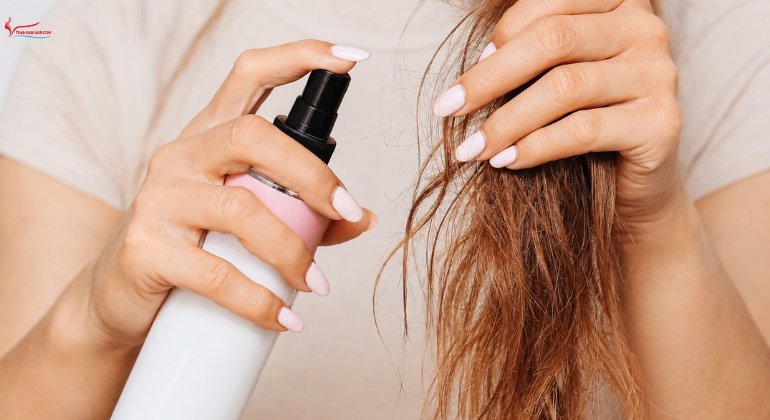
Two areas get forgotten. First, any hair you leave out to blend on top takes the most heat from flat irons and curling wands, so it needs a heat protectant every time and a trim if the ends start to split. Second, the braided hair hidden under the wefts is still your own hair, and it dries out under a sew in. A light leave-in or a diluted oil applied to the cornrows with an applicator bottle two or three times a week keeps that hair conditioned so it does not snap when the weave comes out.
Protect Your Scalp and Natural Hair: The Science
Here is the part most sew in maintenance guides leave out. A weave does not damage hair by itself. Tension does. Any style that pulls on the roots in the same direction for a long time can cause traction alopecia, a form of hair loss from mechanical stress. The StatPearls dermatology reference from the National Library of Medicine lists weaves and extensions among the tension practices that can trigger it, with early warning signs that include tiny bumps around the follicles, hair casts, and broken hairs along the hairline.
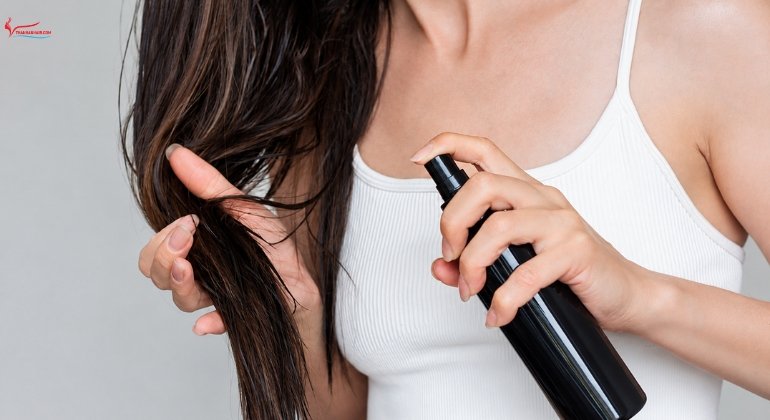
The risk is real but manageable. A clinical review in the National Institutes of Health PMC archive reports that traction alopecia affects roughly one third of women of African descent who wear tension styles for prolonged periods, that the risk rises with the degree of pulling and how long the style stays in, and, most importantly, that most cases reverse when they are caught early. The American Academy of Dermatology puts it plainly: if a hairstyle hurts, it is too tight. Dermatologists specifically recommend that you remove a weave right away if it causes pain or scalp irritation, keep up scalp hygiene throughout the wear, and choose sewn-in weaves over glue-in methods.
Translated into a maintenance habit: an install should never feel painful on the day it goes in, cornrows near the hairline should feel snug rather than sharp, and you should check your temples and part lines in good light about once a month. If you notice a widening see-through zone, small broken hairs, or persistent soreness, loosen the style and book a professional. The AAD also advises wearing a professional weave for two to three months at most before giving your scalp a break. This section is general education, not a diagnosis.
Why Weft Quality Changes How Your Sew In Wears
Two sew ins installed with the same skill can behave very differently, and the difference usually lives in the weft. As a factory that sorts and wefts raw hair, we see it up close.
The first factor is cuticle alignment. In single-donor, cuticle-aligned raw hair, every strand runs root-to-tip in the same direction, so the hair sheds less and tangles less at the seam and holds its shine through repeated washing. Hair that has been mixed from many heads or stripped with acid to hide tangling mats far faster, and a matted weft is what turns week three into a struggle.
The second factor is construction and weight. A hand-tied weft is thin and flat, so it sits close to the scalp and spreads tension more evenly across the braids. A machine weft is sturdier and more cost-efficient, and a flat or genius weft reduces bulk even further. Weight is not just a comfort question. Because heavier hair pulls harder on the roots, and dermatologists advise choosing lighter weaves to reduce that pull, the weft you sew in is a scalp-health decision as much as a styling one.
Common Sew In Problems and Quick Fixes
Even a well-installed weave runs into the occasional issue. Most trace back to the same two causes: buildup, or a base that never dried.
- Itchy scalp. Usually product buildup or a base that stayed damp. Cleanse the scalp directly on schedule and dry it completely. A diluted apple-cider-vinegar rinse or witch hazel on a cotton pad along the partings can calm the itch between washes.
- Lifting or slipping tracks. Thread has loosened or conditioner reached the roots. Book a move-up rather than pulling at the weft, and keep conditioner off the base going forward.
- Odor. Trapped moisture, every time. Never leave the base wet, and cleanse on your 7 to 14 day schedule.
- Shedding at the weft. A little loose hair is normal. A steady stream usually means a cut or unsealed weft seam, which your stylist can reinforce. Cuticle-aligned hair sheds noticeably less here.
- Bumps or pain at the roots. Treat this as a red flag, not a phase. Loosen the tension, review the scalp-health section above, and see a dermatologist if soreness lasts.
Sew In Hair Extension Maintenance: Frequently Asked Questions
How often should you wash sew in hair extensions?
Wash sew in hair extensions every 7 to 14 days for most people, and more often if you sweat heavily or use a lot of product. Focus the shampoo on the scalp and cornrows, condition only the ends, and dry the base fully so the weave does not hold odor.
How long do sew in weave extensions last?
A single sew in install usually stays in for 6 to 8 weeks before a move-up, and dermatologists advise removing a professional weave within 2 to 3 months to protect your follicles. Cuticle-aligned human-hair wefts can be reinstalled and reused for six months or longer with proper care.
Can you deep condition a sew in weave?
Yes. Apply a lightweight mask to the mid-lengths and ends once a week, keep it off the roots so the wefts do not slip, and rinse thoroughly. Weekly conditioning replaces the moisture that washing and heat styling strip from human hair.
Why does my sew in weave smell?
A weave smells when moisture stays trapped in the braids and wefts and never fully dries, and when product builds up on the scalp. Cleanse the scalp on schedule and dry the base completely with a cool-to-warm dryer after every wash to keep it fresh.
Do sew in extensions damage your natural hair?
Sew in extensions do not damage hair on their own. Damage comes from tension. If an install hurts, it is too tight. Keep the braids comfortable, cleanse the scalp, alternate your protective styles, and remove the weave within 2 to 3 months to keep your natural hair healthy.
What kind of hair is best for a sew in weave?
Cuticle-aligned, single-donor raw human hair sheds and tangles the least at the weft seam and withstands repeated washing. Lighter weft constructions such as hand-tied or flat wefts also reduce the tension a sew in places on your scalp.
Stock Wefts That Reward Good Maintenance
Every routine in this guide works better on better hair. Thanh An Hair is a factory-direct manufacturer with about two decades of production experience, specializing in single-donor, cuticle-aligned raw Vietnamese hair. Our weft hair range covers hand-tied, machine, flat, and genius wefts built for sew in installs that hold their shine and stay gentle on the scalp. Contact us for factory-direct wholesale pricing and a sample so you can feel the cuticle alignment before you stock it.
Contact Thanh An Hair today for expert consultation and the most competitive price list.
- WhatsApp/Hotline: (+84) 973 522 855
- Official Website: https://thanhanhair.com/
- Instagram: @thanhanhair
- Email: thanhanexport@gmail.com