
Thanh An Hair
How to Dye Virgin Hair Extensions Without Damaging Premium Hair (Full Guide)
Jun
Dyeing virgin hair extensions is one of the easiest ways to transform your look without purchasing new bundles. However, achieving a beautiful color is only part of the process—you also want to preserve the hair’s softness, strength, and longevity.
Premium virgin hair extensions are designed to last through multiple installs, but improper coloring can lead to dryness, shedding, and texture changes. Before you begin, it’s important to understand the correct techniques and products to use so your extensions remain healthy, vibrant, and beautiful after coloring.
Can You Color Extensions Made Of Virgin Hair?
Yes, virgin hair extensions can be dyed because they are made from 100% human hair and have not undergone chemical processing. This allows them to absorb color effectively, behave much like natural hair, and respond well to professional coloring techniques.
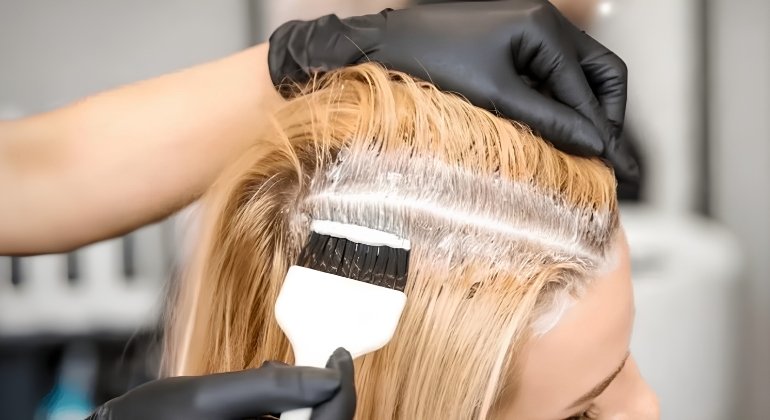
However, the quality and longevity of the hair depend on how the coloring process is performed. Excessive bleaching, strong chemicals, or improper application can weaken the cuticle, leading to dryness, breakage, and a shorter lifespan. Using the right products and techniques is essential to achieve your desired color while maintaining the hair’s health and integrity.
What You Need Before Dyeing Hair Extensions
Before dyeing your virgin hair extensions, gather all the necessary tools and products to ensure a smooth and successful coloring process.
Recommended Supplies:
- Professional-quality hair dye (avoid harsh box dyes)
- 10 or 20-volume developer
- Tint bowl and application brush
- Protective gloves
- Wide-tooth comb
- Sulfate-free shampoo
- Deep conditioner or nourishing hair mask
Using professional products and the proper tools helps achieve more even color results while minimizing damage, allowing your extensions to maintain their softness, shine, and overall quality after coloring.
Step-by-Step: How to Safely Color Virgin Hair Extensions
Step 1: Clean and Prepare the Hair
Start by washing your hair extensions with a sulfate-free shampoo to remove any dirt, oils, or product buildup. Allow the hair to air dry completely before applying color to ensure even absorption.
Step 2: Detangle and Section the Hair
Gently detangle the extensions using a wide-tooth comb, working from the ends upward to prevent breakage. Lay the hair flat and divide it into manageable sections for a more precise and uniform color application.
Step 3: Perform a Strand Test
Before coloring the entire set, apply the dye to a small hidden section of hair. A strand test helps you evaluate the final shade, determine the ideal processing time, and avoid unexpected color results.
Step 4: Apply the Color Evenly
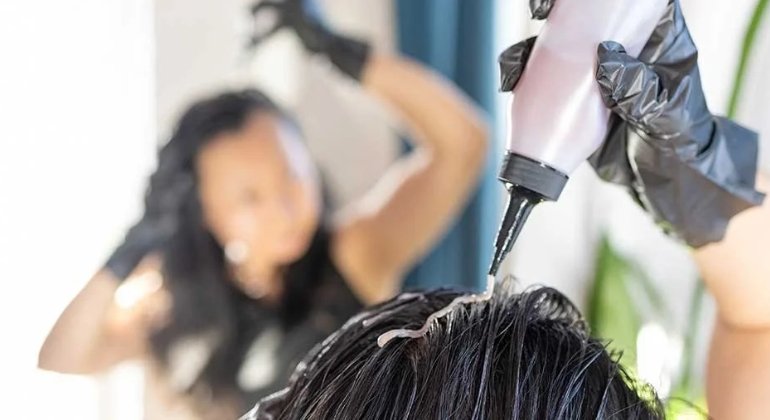
Using a tint brush, distribute the dye evenly from the top of the extensions to the ends. Ensure every strand is coated without oversaturating the hair, which can lead to uneven results.
Step 5: Process with Care
Allow the color to develop according to the manufacturer’s instructions. Avoid leaving the dye on longer than recommended, as overprocessing can weaken the hair and cause dryness.
Step 6: Rinse and Deep Condition
Rinse thoroughly with lukewarm water until the water runs clear. Follow immediately with a deep conditioner or hair mask to replenish moisture, improve softness, and maintain the overall health of the extensions.
Some Ground Rules For Dyeing Your Hair
Choose a 10- or 20-volume developer whenever possible, as stronger developers can strip moisture and weaken the hair. Bleaching is particularly harsh on extensions, so it should be avoided unless absolutely necessary. In general, darker shades are easier to achieve and help preserve the longevity of the hair.
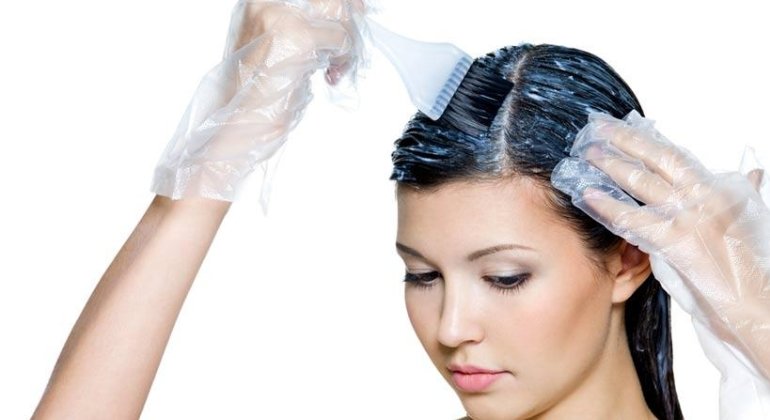
Deep conditioning is essential after every coloring session. Since the dyeing process can lift the hair cuticle, a nourishing conditioner or hair mask helps restore moisture, smooth the cuticle, and keep the extensions soft and manageable.
To further protect the hair, limit the use of hot styling tools after coloring. When heat styling is necessary, always apply a heat protectant to minimize damage.
Should You Dye Extensions at Home or Visit a Salon?
At-home coloring can be a good option if you’re simply going darker or making a subtle color change. However, professional assistance is recommended if you’re new to coloring hair or want to avoid costly mistakes.
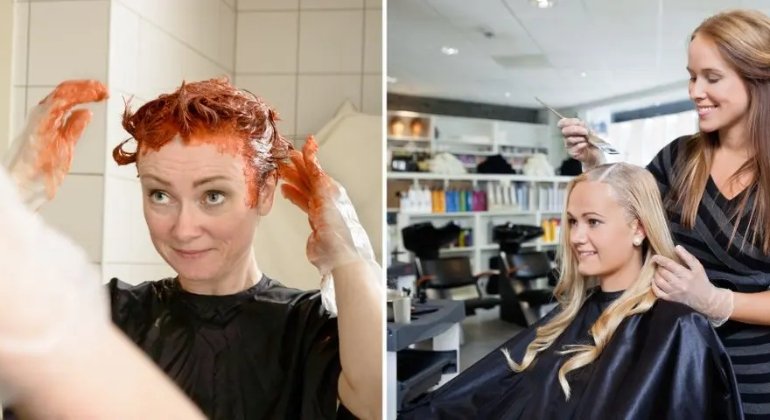
Consider visiting a salon if:
- You plan to lighten or bleach the hair
- You want highlights, balayage, or custom color effects
- You need to match a specific or difficult hair color
- You’re unsure about the coloring process
For complex color transformations, a professional stylist can help you achieve the desired result while protecting the quality and integrity of your extensions.
Conclusion
Dyeing virgin hair extensions can be a safe and effective way to achieve a fresh new look when done with the proper products and techniques. The key is to avoid excessive processing, use gentle coloring methods, and maintain adequate moisture before and after the dyeing process.
Starting with high-quality virgin hair gives you a significant advantage. Premium extensions typically absorb color more evenly, retain their softness and strength, and maintain their appearance longer with proper care.
By focusing not only on the color transformation but also on preserving the health of the hair, you can enjoy beautiful results while maximizing the lifespan and value of your extensions.
Contact Thanh An Hair today for expert consultation and the most competitive price list.
- WhatsApp/Hotline: (+84) 973 522 855
- Official Website: https://thanhanhair.com/
- Instagram: @thanhanhair
- Email: thanhanexport@gmail.com