Raw Vietnamese Hair
Do Hair Extensions Cause Hair Loss?
Sep
Hair extensions have transformed the beauty industry, allowing anyone to achieve enviable length, dramatic volume, and rich dimensional color in just a single salon visit. However, behind the head turning glamorous looks lies a persistent worry that haunts both new and seasoned wearers: do hair extensions cause hair loss?
Hair extensions themselves are not inherently destructive. Instead, damage occurs due to improper installation techniques, excessive tension, wearing weight unsuited for your hair type, or poor home care.
In this comprehensive guide, we unpack the science of hair extensions damage, explore how to prevent traction alopecia, compare the safety profiles of popular installation methods, and share practical guidelines to keep your natural hair thriving under your extensions.
What Really Happens to Your Scalp?
To understand how hair extensions interact with your natural hair, you first need to understand the hair growth cycle and how your hair follicles respond to physical pressure.
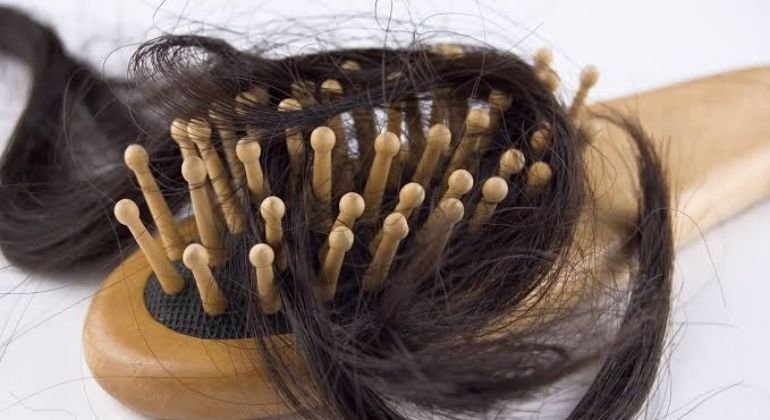
Every single hair strand on your scalp is anchored inside a hair follicle. On average, a healthy individual sheds between 50 to 100 hair strands per day as part of the natural telogen resting phase. When you wear semi-permanent extensions like tape-ins, micro-rings, or keratin bonds, these naturally shed hairs remain trapped inside the extension attachment points rather than falling out onto your hairbrush.
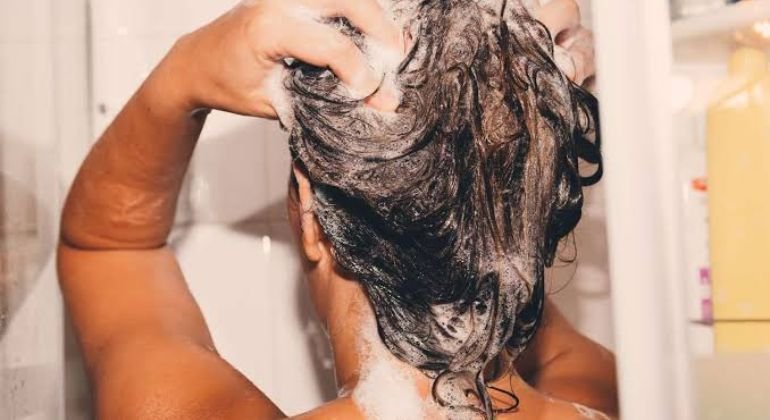
When your extensions are finally removed weeks later, seeing this accumulated hair shed all at once can feel terrifying, even though much of it is simply normal daily shedding.
However, real hair extension damage happens when physical force exceeds what your hair follicles can bear.
Understanding Traction Alopecia and Hair Follicle Strain
The most significant medical risk associated with hair extensions is traction alopecia. According to clinical guidance from the American Academy of Dermatology, traction alopecia is a form of hair loss caused by continuous, prolonged pulling on the hair roots.
When an extension section is attached too tightly or carries too much weight, it exerts continuous scalp tension from extensions. This steady strain produces localized inflammation around the root, restricting blood flow and oxygen supply to the dermal papilla. Over time, this constant hair follicle strain causes the follicle to weaken, shrink, and prematurely enter the resting phase.
If the tension is removed quickly, the follicle recovers and hair regrows normally. But if high tension persists month after month, the follicle can suffer permanent scarring, leading to irreversible thinning and localized bald patches.
Comparing Extension Types: Which Methods Carry the Highest Risk?
Not all installation methods affect your natural hair in the same way. Matching the installation method to your natural hair density, texture, and strength is critical for maintaining damage free hair extensions.
| Extension Type | Installation Method | Risk Level | Best For | Potential Damage Factors |
| Clip-In Extensions | Pressure clips fastened daily | Low | Fine to thick hair (temporary wear) | Clip strain if worn during sleep or placed repeatedly on the exact same spot. |
| Tape-In Extensions | Thin adhesive strips sandwiching hair | Low to Moderate | Fine or thin natural hair | Chemical buildup from adhesive; slippage if improper product is used. |
| Genius / Hand-Tied Wefts | Beaded track sewn with lightweight wefts | Low to Moderate | Fine, medium, or thick hair | Incorrect bead tension or overloading too much weight onto thin sections. |
| Micro-Rings / I-Tips | Small silicone lined metal rings crimped to strands | Moderate | Medium to thick natural hair | Mechanical friction on hair shaft if rings are crushed improperly during install or removal. |
| Keratin Fusion Bonds | Thermal or sonic bonding of keratin tips | Moderate to High | Normal to dense hair | Heat damage during application; severe matting if left beyond recommended timeframe. |
Tape-In Extensions and Fine Hair Safety
For individuals with delicate or sparse strands seeking safe hair extensions for fine hair, lightweight options like medical-grade tape-ins or ultra-thin genius wefts are typically recommended. They distribute weight across a wider section of hair, minimizing point-source tension. Learn more about how modern application methods preserve natural hair health in our detailed overview of tape-in hair extensions.
5 Warning Signs Your Hair Extensions Are Damaging Your Hair
Catching early signs of tension allows you to adjust your extensions before long-term loss occurs. If you experience any of the following symptoms, your extensions require immediate attention from a certified stylist:
- Persistent Scalp Pain or Headaches: Sensations of tenderness or throbbing headaches after installation mean the tension is far too high. Extensions should never feel painful.
- Small Bumps Along the Scalp (Folliculitis): Tiny red or white bumps around the application sites indicate inflammation caused by intense root tension.
- Visible Scalp or Pulling at the Root: If you see white bulbs or small clear sheaths being pulled noticeably out of the scalp surface, the extension weight is stripping your hair roots prematurely.
- Matting and Severe Tangling at the Attachment Point: When shed hairs become severely tangled around the bond, they form hard knots that tear natural strands during removal.
- Thinning or Gap Formation at the Parting Lines: Noticing sparse patches along your hairline or parting zones is a primary warning sign of early stage traction alopecia, as noted in research published by the National Institutes of Health.
How to Wear Hair Extensions Safely: 6 Essential Rules
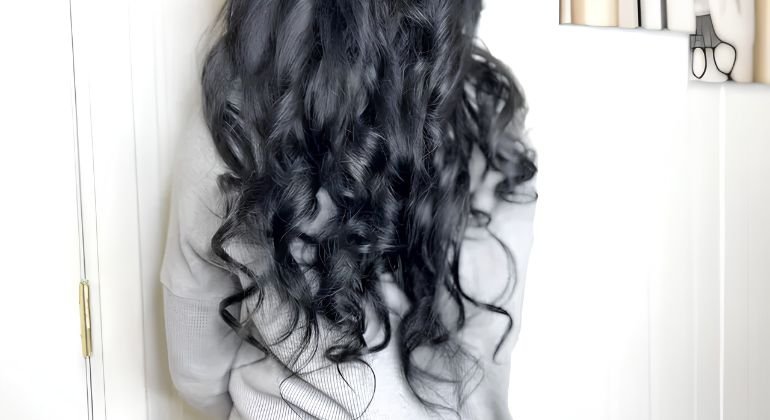
Preventing hair extensions damage does not require giving up your favorite look entirely. By following these evidence-based safety rules, you can enjoy dramatic volume and length while preserving your natural hair growth.
The Safe Extension Checklist:
- Match Weight & Density $\rightarrow$ Never overload fine hair with heavy strands.
- Maintain Root Clearance $\rightarrow$ Keep bonds 0.5 inches away from scalp.
- Stick to Schedule $\rightarrow$ Book move-ups every 6 to 8 weeks.
- Protect at Night $\rightarrow$ Braid hair loosely and sleep on silk.
- Go Professional $\rightarrow$ Never force or yank bonds during removal.
1. Match the Extension Weight to Your Hair Density
Never attach heavy, extra-dense extension strands onto fine or weak natural hair. A 1:1 weight ratio balance is essential. If your natural hair section is too thin to support the extension strand, the constant gravitational pull will strip your natural hair right from the follicle.
2. Ensure Proper Placement Away From the Scalp
Hair extensions should never be installed flush against your scalp skin. A professional stylist will always leave approximately 0.25 to 0.5 inches of clearance from the root. This gap allows the extension to pivot naturally without creating leverage points that strain the hair follicle during daily movement.
3. Stick Strictly to Maintenance Timelines
As your natural hair grows, the attachment points move further down the hair shaft. This extra length creates a leverage effect, increasing physical strain on the root. Hair extension maintenance requires semi-permanent extensions to be repositioned every 6 to 8 weeks. Leaving extensions in beyond 10 weeks dramatically increases the risk of severe matting and structural hair breakage. Review our complete hair extension care guide for a week-by-week home maintenance regimen.
4. Practice Protective Sleep Habits
Never go to sleep with wet or damp hair extensions. Wet bonds are vulnerable to friction, which causes severe matting at the root zone. Before bed, gently brush your hair, gather it into a loose low ponytail or braid, and sleep on a silk or satin pillowcase to eliminate surface friction.
5. Choose Premium Quality, Unprocessed Hair
Low-grade synthetic or heavily chemically processed hair tends to tangle easily, creating extra resistance when brushing. High-quality human hair, such as ethically sourced raw Vietnamese hair, features intact, unidirectional cuticles that glide smoothly, minimizing mechanical tension and shedding.
6. Rely on Professional, Safe Removal Protocols
Attempting safe removal of hair extensions at home without proper solvents or tools is one of the leading causes of preventable hair breakage. Professional stylists use specialized bond-dissolving solutions and pliers designed to break down adhesives or open micro-rings without snapping your natural hair strands.
The Role of Hair Quality: Why Raw Hair Protects Your Scalp
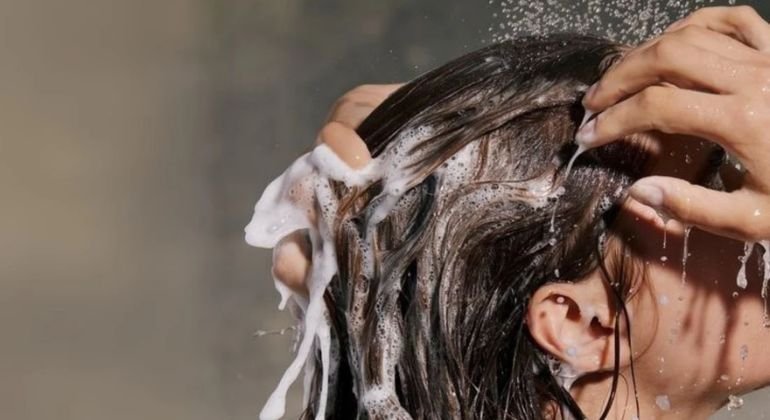
The quality of the hair extensions you select directly influences scalp health and hair safety. Inferior hair extension products are often coated with silicone to mask structural damage. Once that silicone coating washes away, the cuticles catch on one another, forming massive mats that yank at your natural hair roots.
Investing in top tier strands like genius weft hair extensions crafted from 100% human raw hair ensures that the extensions remain soft, manageable, and tangle-free throughout their lifespan. Smooth, high-grade hair significantly reduces the force required during daily brushing, directly protecting your hair roots from unexpected trauma.
For further clinical reading on scalp conditions and maintaining follicular health under tension, refer to the diagnostic guidelines provided by the Cleveland Clinic.
Protect Your Scalp and Elevate Your Style
Hair extensions do not have to compromise the health of your natural hair. By selecting the correct installation method for your hair type, insisting on professional application, maintaining a disciplined home care routine, and using high quality raw hair, you can enjoy long, voluminous locks with complete confidence.
Are you ready to transform your hair without risking damage or hair loss? ThanhanHair supplies 100% premium raw Vietnamese hair extensions designed for ultimate comfort, durability, and scalp safety.
Contact Than Han Hair Today for a Professional Consultation or explore our luxury raw hair collection to find the safest, most seamless match for your hair goals.
Ready to create your ideal look? Explore Thanh An Hair’s Vietnamese human hair extensions or contact Thanh An Hair to find the right length, texture, and density for your desired hairstyle.
- WhatsApp/Hotline: (+84) 973 522 855
- Official Website: https://thanhanhair.com/
- Instagram: @thanhanhair
- Email: thanhanexport@gmail.com