
Raw Vietnamese Hair
Light Chestnut Brown Hair Color: Who It Suits Best
Oct
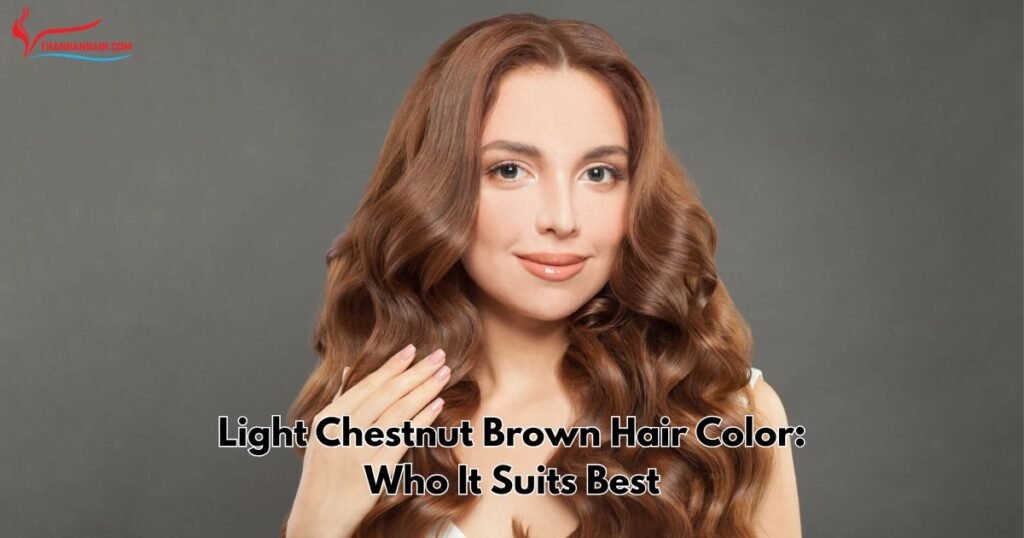
Light chestnut brown hair color is a medium brown with warm red or golden undertones, sitting at level 5 to 6 on the 10-level scale. It flatters warm and neutral skin tones, needs far less lightening than blonde, and calls for a gloss about every 6 to 8 weeks. Here is how to tell if it fits you.
What Chestnut Brown Hair Color Looks Like
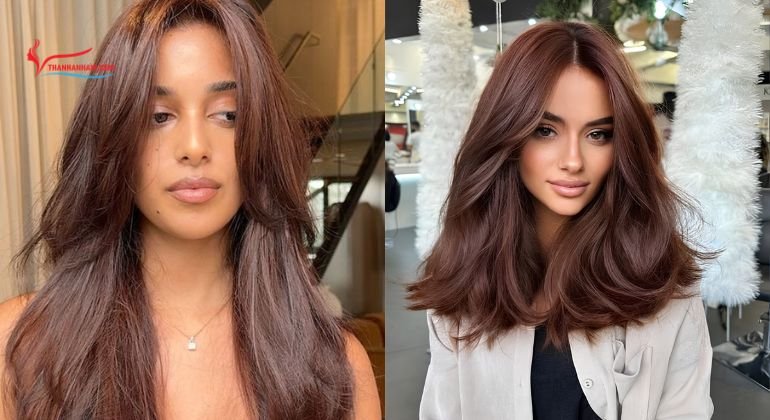
Chestnut brown hair color sits between a neutral brown and auburn. The light version lifts that mix by a step, so you see a soft red-gold glow in sunlight and a rounder, warmer brown indoors. Colorists rate darkness on a 1 to 10 scale from black to lightest blonde, and light chestnut brown lands at about level 5 to 6 with a warm reflect. The reflect, more than the level, separates it from its neighbors.
| Shade | Typical level | Undertone | How it reads |
|---|---|---|---|
| Light chestnut brown | 5 to 6 | Warm red-gold | Soft, sunlit brown |
| Mocha brown | 4 to 5 | Neutral to cool | Deep, smoky brown |
| Golden brown | 6 to 7 | Gold | Brighter, near dark blonde |
| Auburn | 4 to 6 | Strong copper red | Red-dominant |
Brand level scales do not line up, so match swatches in daylight instead of trusting a shade name. The same box can look golden on one head and coppery on another.
Light Chestnut Brown Hair Dye: Choosing the Right Tone
The shade name on a box tells you less than the tone code. Use this map to pick a direction before you buy light chestnut brown hair dye.
- Golden or honey chestnut: the warmest option, best for warm and olive skin.
- Copper or auburn-leaning chestnut: the most vivid. Red pigment fades fastest because its molecules are larger and less stable, according to a WebMD hair color care guide.
- Neutral chestnut: the safe middle, with a balanced reflect for most undertones.
- Chocolate-leaning chestnut: a level or so deeper, with less visible warmth.
- Soft cool-leaning chestnut: less red, but it can look flat on warm skin.
How to Dye Hair Chestnut Brown at Home
Home color works best when your starting level is 5 or lighter. Darker hair, or hair with old dye on it, deserves a salon visit. If you go ahead, follow these steps.
- Match level and undertone. Pick the shade by its level number and tone code, not its name. Stay within two to three levels of your natural color.
- Patch test 48 hours ahead. Dab a little dye behind your ear or on your inner elbow, leave it for two days, and skip the dye if a rash appears. Repeat this test every time you color.
- Run a strand test. Color one hidden strand for the full development time, then check it in daylight before you commit your whole head.
- Section and apply. Wear gloves. Apply to mid-lengths and ends first and roots last, because scalp heat speeds up development at the roots.
- Time it and rinse. Leave the dye on for no longer than the package says, then rinse your scalp and hair well with lukewarm water. Never mix different dye products.
- Wait before you wash. Hold off on shampoo for 48 hours so the cuticle can settle, then use a color-safe shampoo and a deep conditioner.
The patch test timing and the no-mixing rule come from the FDA hair dye safety guidance. The 48-hour wait before shampooing matches the advice in Wella’s color fading guide.
Light Chestnut Brown Hair With Highlights and Balayage
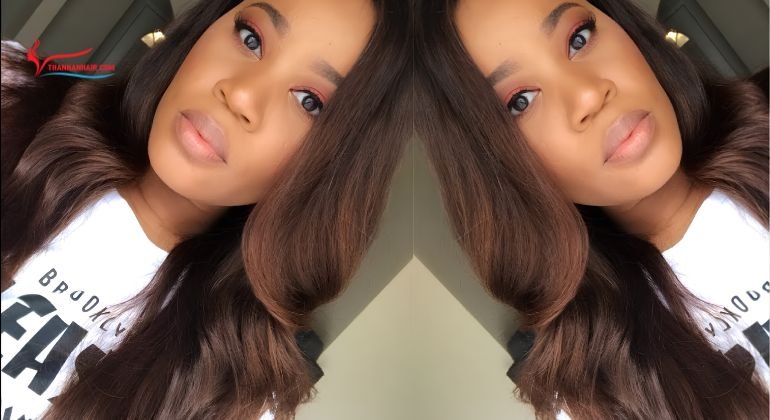
Flat, single-process color is the usual complaint with chestnut. Highlights fix it by adding dimension. Ask your colorist for a gloss afterward so the pieces blend into the base.
- Honey balayage: hand-painted for a soft grow-out, and a good fit for warm skin.
- Butterscotch ribbons: brighter face-framing pieces that need regular toning to stay golden instead of brassy.
- Root shadow: a deeper root that blends regrowth and stretches the time between salon visits.
- Auburn lowlights: copper depth for a richer, warmer finish.
Chestnut Brown Hair Extensions: When They Beat Dye
Extensions let you test chestnut without lightening your own hair. They also win when your hair is damaged, when you need length and color in one move, or when you want chestnut only around the face.
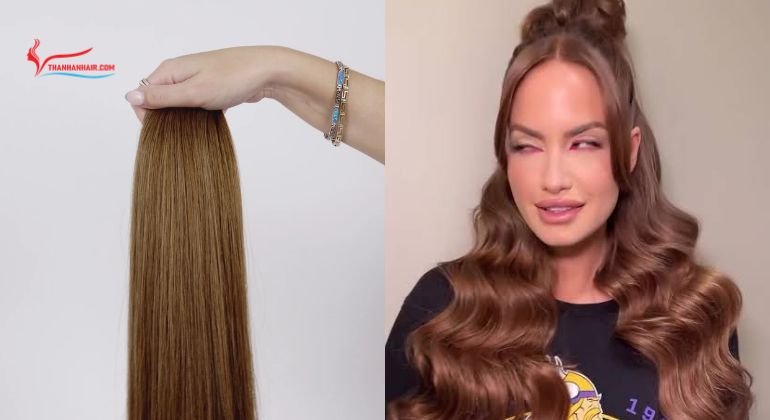
On the factory side, chestnut is a lift-and-tone job. Raw hair starts dark, so the strands are lightened toward the target level and toned warm. Hair with cuticles running in one direction gives a more uniform lift, which makes single-donor bulk hair a sound base for custom color. Thanh An Hair lists a color hair line next to its natural raw hair.
To match chestnut extensions to your own hair, compare level and undertone in daylight, not under salon lights, and ask for a swatch before a full order. Then pick the format that fits your goal:
- Weft hair for full-head volume and length.
- Clip-in hair for a removable chestnut test.
- Halo hair for fine hair that needs volume without bonds.
- Single-donor bulk hair for custom-colored or braided installs.
- Full lace wigs for a complete color change with no commitment.
Final Verdict on Light Chestnut Brown Hair
Light chestnut brown suits you if your undertone runs warm or neutral, your natural level sits between 4 and 7, and you accept a gloss every couple of months. If you fall outside that range, change the tone or test the shade with extensions first.
Ready to see chestnut on real hair? Browse our weft hair and clip-in hair, then contact the Thanh An Hair team with your level and undertone to ask about color options.
What is the difference between light chestnut and light brown?
Light brown is a plainer level, often ashy or golden depending on the formula. Light chestnut adds a defined red-gold reflect, which makes it warmer and richer. If you want a quiet, cool-leaning brown, choose light brown instead.
- WhatsApp/Hotline: (+84) 973 522 855
- Official Website: https://thanhanhair.com/
- Instagram: @thanhanhair
- Email: thanhanexport@gmail.com