
Raw Vietnamese Hair
Raw Russian Hair: What to Check Before You Buy
Oct
Raw Russian hair is unprocessed human hair from Slavic donors, with the cuticle intact and all strands running root to tip in one direction. It is naturally fine, light and soft, and very scarce. Most “Russian” hair sold today is sourced elsewhere, then bleached or dyed. Verify the origin and the processing before you pay.
This guide is written for salon owners and resellers who want to buy raw Russian hair without paying premium prices for relabeled stock. You will learn what the term means, how to test a sample, what pricing signals matter, and which vendor claims should stop a deal.
What Raw Russian Hair Actually Means
“Raw” describes processing, not geography. Raw hair is cut from a donor and left alone: no steaming, no coloring, no chemical smoothing. The cuticle, which is the outer layer of overlapping scales, stays intact and aligned. A StatPearls review of hair anatomy describes the cuticle as flat overlapping cells that cover the shaft and give hair its smooth, untangled look.
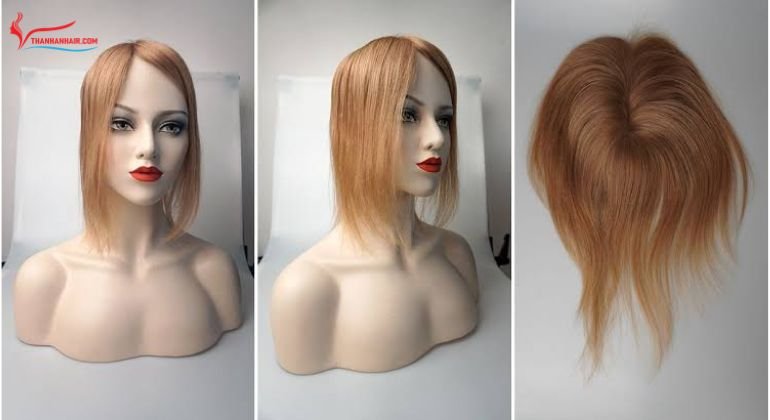
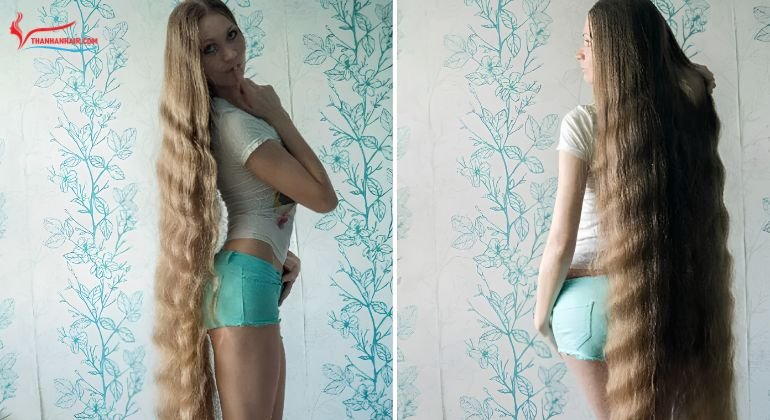
“Russian” is usually shorthand for Slavic hair from Russia, Ukraine, Belarus and nearby countries. Genuine raw Slavic hair tends to be fine in diameter, soft, and naturally light brown to dark blonde, with a lot of movement. That fine texture is the reason it feels so light in tape-ins and keratin tips.
Why Real Russian Raw Hair Is So Hard to Find
Donor supply is the bottleneck. Long, uncut, unprocessed hair is rare in any market, and fewer donors in Eastern Europe sell their hair than in the past. Many suppliers now blend sources, and “Russian” often describes a finish (light, fine, cool-toned blonde) rather than where the hair grew.
That is not automatically dishonest. Plenty of good dyed blonde extensions are made from raw Asian donor hair and lifted with careful professional color work. The problem starts when a vendor sells that product as natural Russian raw hair at a raw hair price. In our experience as a Vietnamese manufacturer, buyers who ask one direct question, “Is this hair naturally this color, or colored?”, filter out most of the confusion.
Red Flags When Buying Wholesale Hair Extensions
These hair vendor red flags appear in most complaints from salon owners:
- The vendor cannot say where the hair was collected.
- “100% Russian” is claimed at a price far below other raw suppliers.
- Photos are all editorial or stock images, never your actual sample.
- No policy for shedding, tangling or color mismatch.
- Pressure to pay in full before any sample is approved.
Bleaching, Toning and Why Processing Matters
Light hair is often lifted, and lifting has a cost. A study on excessive bleaching found that heavy bleaching can strip the cuticle layer and expose the cortex, which weakens the fiber. Research summarized by the STFC ISIS neutron facility shows that bleaching attacks the bonds that hold lipids to the cuticle and breaks cystine links in both cuticle and cortex. An analysis of bleaching and acid straightening also notes that the cuticle’s outer lipid layer helps protect hair against chemical treatments.
For buyers, the takeaway is practical. Hair that starts light needs less lifting, so it stays stronger. Hair that is heavily lifted needs gentler care, lower heat and more conditioning between salon visits. Ask the vendor how many lifting stages the batch went through.
When Vietnamese Raw Hair Is the Smarter Choice
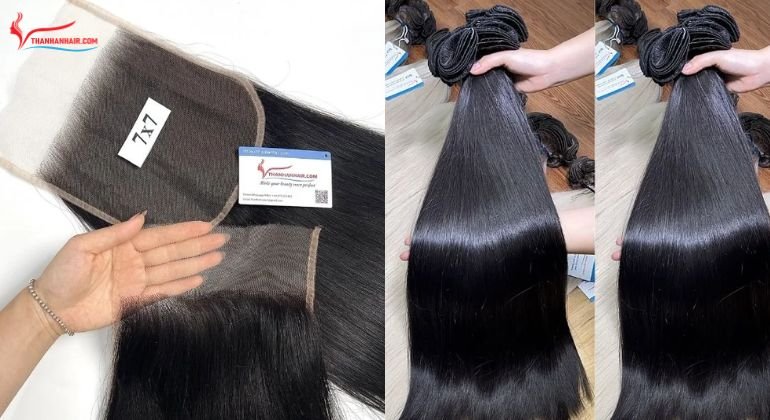
If you need steady volume, repeatable shades and clear sourcing, a factory-direct source can be more practical than chasing scarce Slavic stock. At Thanh An Hair, our team has produced raw hair for roughly 20 years. We work with single-donor one donor bulk hair, weft hair, clip-in hair and full lace wigs. Vietnamese raw hair is typically thicker than Slavic hair, so it suits salons that want body and durability, and it takes lifting and color well when processed with care. We are open about this: it is a different product from Russian raw hair, and we sell it as that.
Conclusion
Raw Russian hair is real, rare and expensive. Treat the name as a claim that needs proof. Confirm donor origin, check whether the color is natural, test a sample for cuticle direction and wash performance, and compare prices per gram. Do that, and you will avoid most overpriced relabeled hair.
Ready to compare a real sample? Contact Thanh An Hair for a factory-direct sample, bundle weights and wholesale terms for your salon or reseller business.
- WhatsApp/Hotline: (+84) 973 522 855
- Official Website: https://thanhanhair.com/
- Instagram: @thanhanhair
- Email: thanhanexport@gmail.com