
Raw Vietnamese Hair
The Best Hair Extensions for Fine Hair: A Manufacturer’s Complete Guide (2026)
Jul
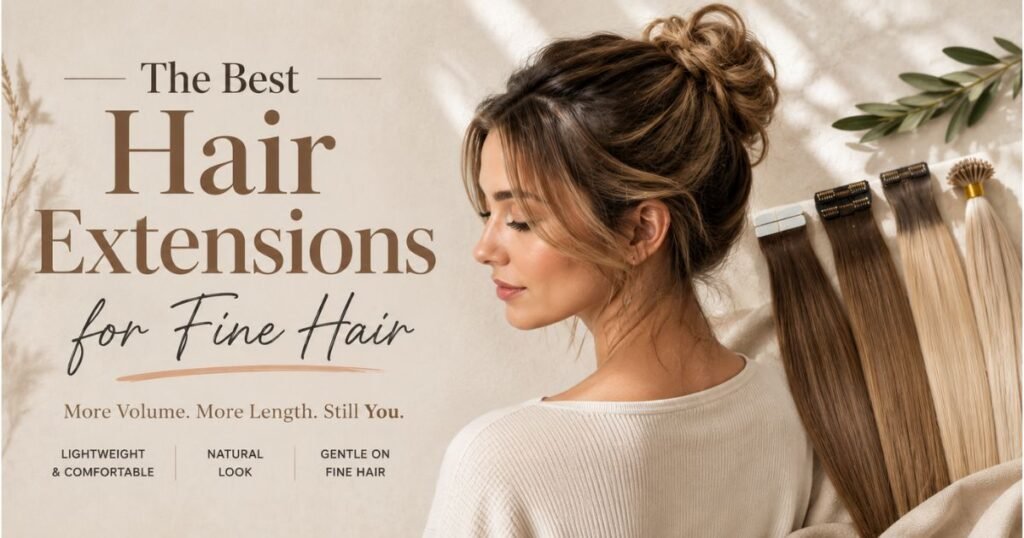
The best hair extensions for fine hair are the lightest, lowest tension methods: halo pieces, seamless clip ins, invisible or injection tape ins, and nano rings, all in Remy human hair.
Choosing extensions for fine or thin hair is a different problem from choosing them for thick hair. The wrong method does not just look bulky; it can pull on the very strands you are trying to enhance. This guide explains which methods are safest, why the weight and the attachment matter more than the length, and what to look for in the hair itself, so you can add fullness that looks like it grew there.
Fine Hair vs Thin Hair: Why the Difference Changes Your Choice
The two terms get used as if they mean the same thing, but they describe different traits, and confusing them leads to the wrong extension. Fine hair is about the diameter of each individual strand. Thin hair is about density, meaning how many strands grow per square centimetre of scalp.
Diameter can be measured. Commonly cited cosmetic science figures put fine strands below roughly 50 to 60 micrometres across, medium strands between about 50 and 90 micrometres, and coarse strands above 90 micrometres, with an average human strand around 70 micrometres. A fine strand is delicate and less visible on its own, which is why fine hair can look flat even when there is plenty of it.
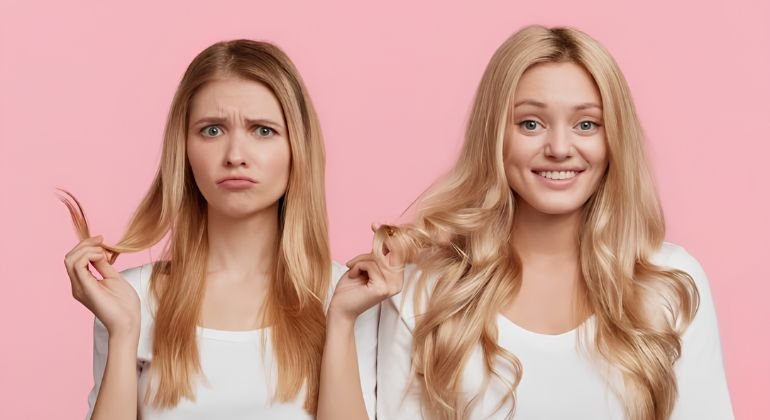
Density is a separate axis. You can have thin hair, where the scalp shows through around the crown, temples or parting, built from perfectly coarse strands. You can also have a dense head of very fine hair. Many people have both fine and thin hair, and because fine strands are more prone to breakage, hair often becomes thinner over the years if it is exposed to heat, harsh chemicals or heavy, badly fitted extensions.
The practical takeaway is simple. If your strands are fine, prioritise low weight and even weight distribution. If your hair is also thin in places, prioritise discreet attachments that a stylist can place away from sparse, fragile areas. The methods below are ranked with both traits in mind.
The Best Hair Extensions for Fine Hair, Compared
Every method here can work on fine hair when the hair quality is right and the fit is correct. The table ranks them by how gently they treat delicate strands, from the lightest temporary options to the semi permanent methods that need a professional, and finally the methods fine hair should avoid.
| Method | Type | Typical weight | Scalp tension | Discreet on fine hair | Application | Reusable | Best for |
| Halo | Temporary, one piece on a wire | ~100 to 150 g on a wire | Very low | High | At home, seconds | Yes | Instant volume with almost no root contact |
| Seamless clip in | Temporary, multi piece | ~100 to 160 g full set | Very low | High | At home, minutes | Yes | Flexible daily or occasional volume and length |
| Invisible tape in | Semi permanent | ~1 to 4 g per panel, ~40 to 100 g full head | Low | Very high | Salon | Yes, 2 to 3 times | Flat, near invisible weight spread across panels |
| Nano ring / micro ring | Semi permanent, individual strands | ~2 to 3 mm bead, ~50 g typical | Low | Very high | Salon | Yes | Targeted volume around sparse areas, no glue or heat |
| Genius / hand tied weft | Semi permanent, sewn to a beaded row | ~80 to 120 g per row | Low to moderate | High | Salon | Yes | Modern flat wefts for those with a little more density |
| I tip (micro bead) | Semi permanent, individual strands | ~0.5 to 1 g per strand, ~50 g set | Low to moderate | High | Salon | Yes | Individual placement without adhesive |
| Thick sew in weave / heavy bonded | Semi permanent, high volume | 200 g and up, concentrated | High | Low | Salon | Varies | Avoid on fine or thin hair: too much tension |
Rule of thumb: on fine hair, the method that spreads the least weight over the most points wins.
Why Weight and Attachment Matter More Than Length
The single most important safety factor for fine hair is not how long the extensions are; it is how much they weigh and how that weight is anchored. Extensions do not damage hair on their own. Damage comes from sustained tension, when a bond, clip or weave pulls harder than a fragile strand and its follicle can bear.
Dermatology backs this up. Prolonged pulling on the hair shaft can cause traction alopecia, a mechanical form of hair loss. The American Academy of Dermatology lists weaves and extensions among the styles that can trigger it, and warns that once the pulling continues long enough for follicles to scar, the loss can be permanent. In the Journal of the American Academy of Dermatology, clinicians have documented weft extensions producing a distinctive horseshoe pattern of traction alopecia along the areas under the most strain. Fine hair reaches that tension threshold sooner than coarse hair, which is exactly why weight distribution matters so much.
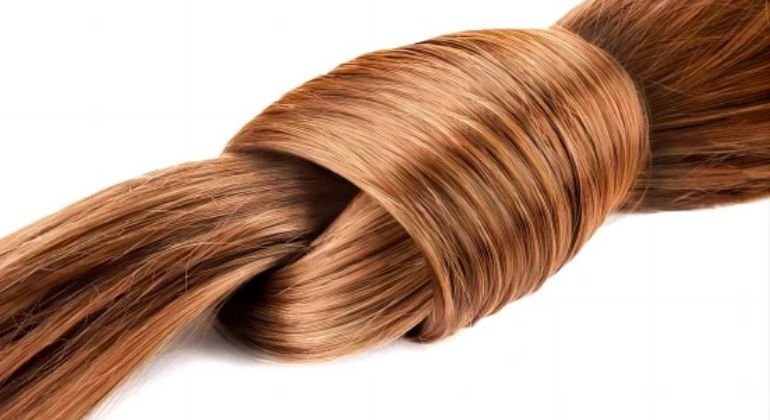
This is where the ranking above comes from. A halo rests most of its weight on a wire that sits against the head, so very little load reaches the roots. Seamless clip ins spread across a wide clip base and come out every night, so the hair never carries them for long. Invisible tape ins lay flat and distribute weight over the surface of a panel rather than a single point. Nano rings split the load across many tiny bonds. A thick sew in weave, by contrast, hangs concentrated weight from a tight braided track, which is the classic setup for the pattern the dermatology literature describes.
What dermatologists advise for extensions
- Wear extensions that are light, so they do not pull on the roots.
- Have them fitted at a salon that specialises in the service.
- Keep a professional set in for two to three months at most, then give the hair a break.
- Remove immediately if a bond or weave causes pain or scalp irritation.
- Check monthly for early signs of tension loss, especially along the hairline.
Guidance summarised from the American Academy of Dermatology. This article is educational and is not medical advice; see a board certified dermatologist about any hair loss.
The Safest Methods for Fine Hair, in Detail
1. Halo extensions: the gentlest option
If you want a little more thickness and subtle length with almost no contact at the roots, a halo is hard to beat. It is a single weft on a fine, clear wire that sits like a headband under the top layer of your hair, so the weight rests on the wire rather than pulling on your strands. There are no clips gripping the scalp and nothing to move up. For fine hair that flattens easily, or for anyone nervous about damage, our halo extensions are the easiest place to start.
2. Seamless clip ins: flexible and low commitment
Clip ins remain the most popular choice for delicate hair because you control everything. You put them in for the day and take them out before bed, so your hair is never under load overnight. The key detail for fine hair is the word seamless. A seamless clip in uses a thin, injection moulded weft with a near flat base, so the seam hides under fine hair instead of sitting on top of it. Our seamless clip in extensions are built on slim wefts for exactly this reason, and a lighter partial set often looks more natural on fine hair than a heavy full head.
3. Invisible tape ins: flat, spread and near invisible
Among semi permanent methods, tape ins are widely regarded as the best hair extensions for fine hair, and the invisible or injection version is better still. Each panel is thin and lies flat against the head, and because the hair is injected directly into the tape there is no visible seam or return of hair at the top. Weight spreads across the panel rather than loading a single point, which is gentle on fine strands. Applied by a stylist and repositioned every six to eight weeks, our invisible tape in extensions give a smooth, natural result and can usually be reused two to three times.
4. Nano rings and micro rings: precise and glue free
Nano rings attach individual strands with a tiny bead, roughly two to three millimetres, clamped without glue or heat. Their small size makes them discreet, and because a stylist places each one, they can target volume exactly where you need it and steer clear of sparse, fragile spots near the hairline. That precision is why they suit thin hair with uneven density so well. With careful maintenance our nano ring extensions can be repositioned and reused across several move up appointments.
5. Genius and hand tied wefts: modern, flat and light per row
If you have fine strands but a little more density to work with, a modern weft can be an excellent, comfortable option, provided it is the right kind. A genius weft is thin and returnless, so it lies flat with no bulky ridge, and it is sewn to a discreet row of beads rather than a tight braid. That spreads the load along the track instead of concentrating it. Our genius weft extensions are cut to size without unravelling, which lets a stylist use only as much as your hair can carry.
What Makes the Hair Itself Right for Fine Hair
Most guides stop at the attachment method. As a manufacturer, we would argue the raw material matters just as much, because on fine hair a poor quality bundle betrays itself instantly. Three things decide whether an extension blends or stands out.
Remy, cuticle aligned hair. In genuine Remy hair every strand keeps its cuticle, and all the cuticles run in the same direction, root to tip. That alignment is what stops tangling and matting and lets the hair reflect light like your own. Cheaper hair often has the cuticle stripped and coated in silicone, which slips off after a few washes and leaves a dull, tangled piece that drags on fine strands. If you want the background on this, our explainer on what Remy hair is covers how it is collected and why it lasts.
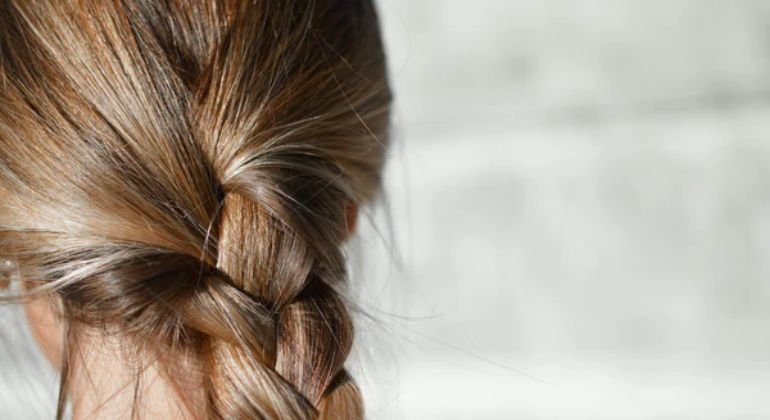
The right draw for a natural taper. Double drawn hair is uniformly thick from top to bottom, which adds body but also adds weight and can look blunt against fine hair. Single drawn hair keeps a natural mix of lengths that tapers at the ends, so it melts into fine hair and weighs less. For delicate strands, that taper usually reads as more real than a dense, heavy set.
Weft and bond construction. A thin, flat weft or a small, neat bond disappears under fine hair; a thick ridge or bulky bond shows. This is a manufacturing decision, made on the production line long before the hair reaches a head, and it is the reason two extensions of the same length and colour can feel completely different to wear.
How to Choose and Wear Extensions Safely on Fine Hair
A method that fits your hair and your routine will look better and last longer. These six steps keep the choice simple and the risk low.
- Identify your hair type. Decide whether your hair is fine, thin, or both, and note any sparser areas at the crown, temples or hairline.
- Match the goal to the lightest method. Choose the lightest option that achieves your aim. Fine hair usually needs added fullness more than dramatic length.
- Choose Remy human hair. Pick hair with the cuticle intact and aligned so it moves, washes and tapers like your own.
- Have a professional assess density. For tape ins, nano rings or wefts, let a stylist read your hairline and density and place attachments away from fragile edges.
- Start light and build gradually. Begin with fewer panels, wefts or strands than you expect to need. You can always add more once you see how your hair carries the weight.
- Follow an aftercare and move up schedule. Brush with an extension brush, never sleep on wet hair, keep move up appointments, and remove anything that causes pain.
Which Extensions Should Fine Hair Avoid?
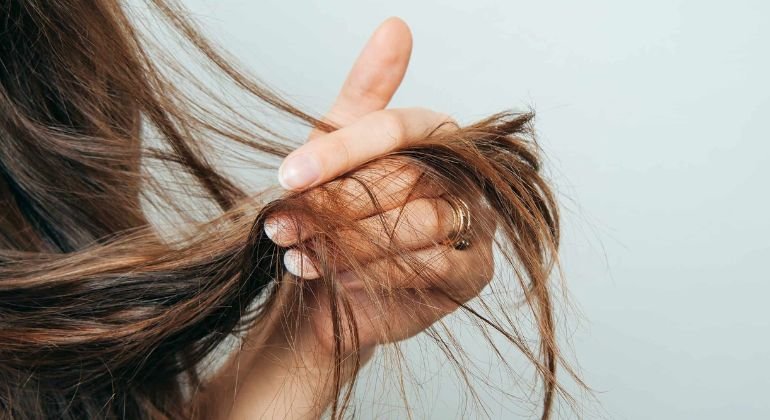
Not every method belongs on delicate hair. The common thread among the ones to avoid is concentrated weight or aggressive attachment.
- Thick sew in weaves that hang heavy volume from a tight braided track, the classic tension pattern in the dermatology literature.
- Large, bulky bonded sets where each bond carries too much hair for a fine strand to hold.
- Poor quality or synthetic hair, which tangles, drags and forces harder brushing that snaps fine strands.
- Any set fitted too tight or too heavy, or left in well beyond its move up window.
If your hair is fragile, brittle or chemically damaged, treat that first and lean toward removable methods such as a halo or seamless clip ins until your hair is stronger.
Frequently Asked Questions
Will hair extensions damage fine hair? Not if the method is light and correctly fitted. Damage comes from weight and tension, not from extensions themselves. The American Academy of Dermatology advises wearing light extensions, having them fitted at a specialist salon, keeping a professional set for two to three months at most, and removing anything that causes pain or scalp irritation.
What is the safest extension type for very fine or thin hair? Halo pieces and seamless clip ins are the safest, because they add no permanent tension and can be removed every night. Both rest weight across a wide area rather than pulling on individual roots, which makes them well suited to delicate strands and sparse areas around the hairline.
What is the difference between fine hair and thin hair? Fine describes the diameter of each strand, while thin describes density, meaning how many strands grow per square centimetre. You can have a full head of fine hair, or thin hair made of coarse strands. Many people have both, which calls for the lightest possible extension method.
How much weight can fine hair safely carry? There is no single safe number, because it depends on your density and scalp health. The reliable principle is that lighter is safer and weight should be spread across many small points rather than concentrated. A stylist experienced with fine hair can assess how much your hair can hold.
Are tape in or nano ring extensions better for fine hair? Both suit fine hair when applied well. Invisible tape ins spread weight over flat, near invisible panels and are quick to apply. Nano rings place tiny individual bonds without glue or heat, which lets a stylist target sparse areas precisely. The better choice depends on your density and how you wear your hair.
How long do hair extensions for fine hair last? Clip ins and halos last around three to twelve months with careful storage and washing. Tape ins are moved up every six to eight weeks and can usually be reused two to three times. Nano rings and wefts are repositioned every six to ten weeks as your hair grows.
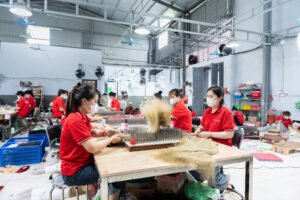
Thanh An Hair manufactures raw Vietnamese Remy hair for salons and resellers worldwide, in the flat wefts, seamless clips, invisible tape and nano bonds that fine hair needs. Tell us your client’s hair type and we will recommend the gentlest option. Request a sample or wholesale quote.
Contact Thanh An Hair today for expert consultation and the most competitive price list.
- WhatsApp/Hotline: (+84) 973 522 855
- Official Website: https://thanhanhair.com/
- Instagram: @thanhanhair
- Email: thanhanexport@gmail.com