
Raw Vietnamese Hair
All You Need to Know About Lace Frontal in 2026
Jan
In recent years, lace frontal has become a foundational product in the hair extension and wig industry. What was once considered a professional-only hairpiece is now widely used by everyday consumers, content creators, and salon clients across global markets.
Its growing popularity comes down to one key element: realism. Compared to traditional wigs or simple lace pieces, this option delivers a hairline that closely resembles the natural scalp and hair growth, resulting in a smooth, seamless finish. For those who prioritize a refined and natural looking style, it has become an essential choice.
Despite this, the product is often misunderstood. Many buyers remain unsure about how it differs from other lace options, how it should be applied, or whether it fits their daily routine and styling habits. This article offers a clear and in depth overview, covering structure, key advantages, installation methods, proper care, and a detailed comparison with lace closure to help readers make informed decisions.
What’s a Lace Frontal?
A detailed explanation of what’s a lace frontal
To clearly define what’s a lace frontal, it is best to start with its structure.
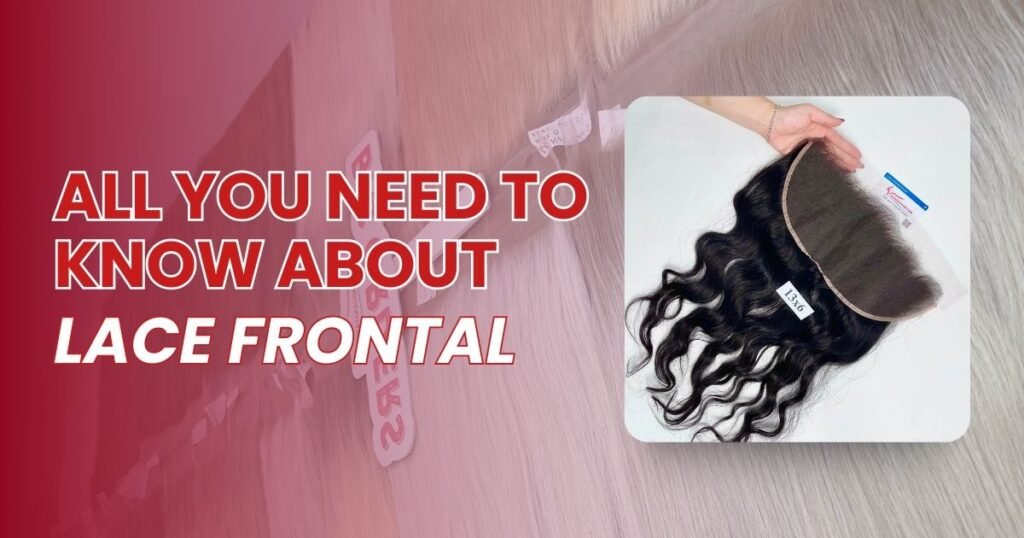
A frontal is a hairpiece constructed with a sheer lace base that runs from ear to ear along the front of the head. Individual human hair strands are hand-tied into this lace using single-knot or double-knot techniques, depending on the desired density and durability.
The most common size for a lace frontal is 13 inches wide and 4 to 6 inches deep. This design allows the frontal to replace the natural front hairline while blending seamlessly with hair bundles or a full wig unit behind it.
Unlike wigs that cover the entire scalp, lace frontal focuses on perfecting the most visible part of the hairstyle, which is the hairline and parting area.
How frontal mimics natural hair growth
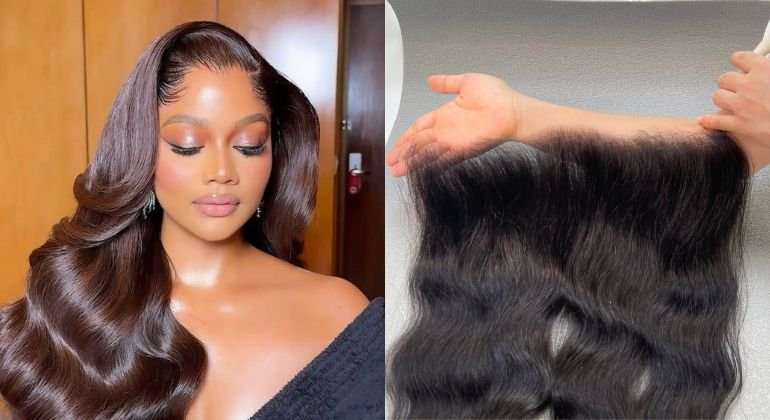
The natural appearance comes from its hand tied construction. Individual strands are carefully knotted into the lace, allowing the hair to move freely and fall in a realistic way.
The thin, breathable base lets the wearer’s scalp tone subtly show through, creating a more seamless blend. When properly installed and matched to the skin tone, the lace virtually disappears.
Advanced customization methods such as knot bleaching, gradual density plucking, and baby hair shaping further strengthen the illusion that the hair is growing directly from the scalp.
Types of Lace Frontal and Lace Materials
Choosing the right lace material plays a crucial role in how natural, durable, and comfortable a lace frontal will be. Different lace types are designed to meet different styling needs, skin tones, and purposes of use.
Transparent Lace Frontal
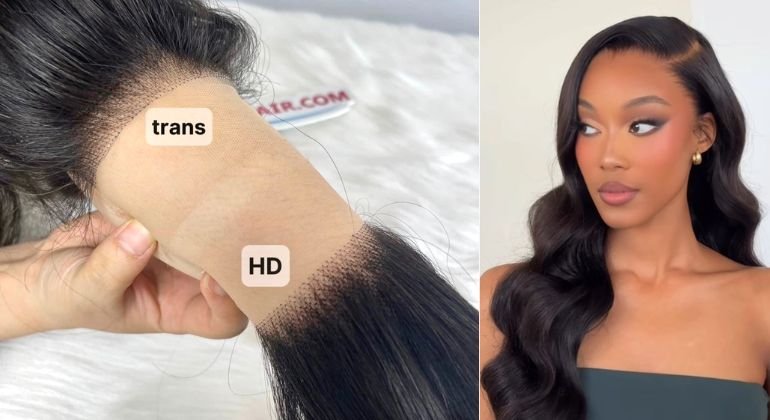
Transparent lace frontal is one of the most commonly used lace types in the hair industry. It is designed to blend easily with a wide range of skin tones, especially light to medium complexions.
The lace material is soft, flexible, and relatively easy to customize, making transparent lace frontals a popular choice for both beginners and professional stylists. When properly installed, it provides a clean and natural hairline suitable for everyday wear.
Transparent lace frontal also offers good durability, which makes it ideal for repeated installations and long-term use.
HD/Swiss HD Lace Frontal
HD lace frontal/Swiss HD lace is known for its ultra-thin and highly transparent lace material. This type of lace is designed to melt seamlessly into the skin, creating an almost invisible hairline, even at close viewing distance.
HD and Swiss HD lace frontals are especially popular for clients who want the most natural appearance possible. The lace allows the scalp tone to show through clearly, enhancing the illusion of natural hair growth.
Compared to standard transparent lace, HD and Swiss HD lace are more delicate and require careful handling during customization and installation. While they offer superior realism, professional installation and gentle maintenance are recommended to preserve the lace quality.
>>> Read more: HD Lace Closure vs Transparent Lace Closure: Which One Looks More Natural?
Benefits of Lace Frontal
Natural and seamless hairline
One of the primary benefits of frontal is its ability to create a realistic hairline. The ear-to-ear coverage allows for a smooth transition between the frontal and the skin, eliminating harsh lines or visible edges.
This makes the frontal ideal for hairstyles that expose the forehead or pull hair away from the face.
Versatile styling options
Lace frontal offers significantly more styling freedom compared to closures. Wearers can part the hair in multiple directions, create deep side parts, or style the hair straight back.
This versatility makes lace frontal suitable for clients who enjoy changing their look frequently without switching hairpieces.
Professional and high-end finish
In the salon and hair vendor market, lace frontal is considered a premium product. It elevates the overall hairstyle and adds value to both retail and wholesale hair offerings.
Lace Frontal Install Process
Preparation before lace frontal install
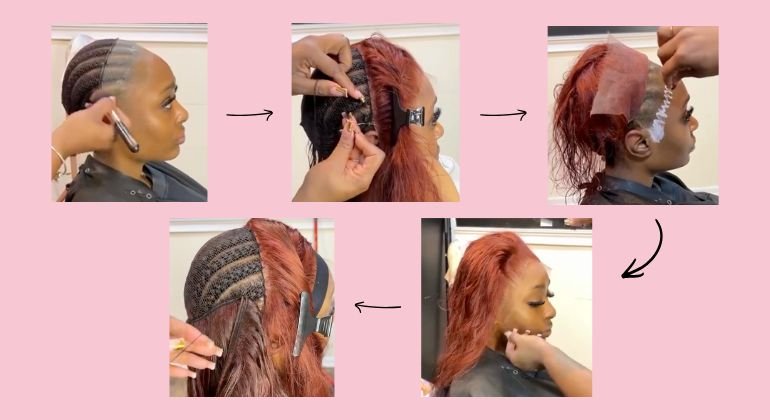
A proper lace frontal install begins with thorough preparation. The natural hair must be braided or molded flat to ensure a smooth surface. Any unevenness beneath the lace can affect the final appearance.
The frontal is typically customized before installation. This includes trimming excess lace, plucking the hairline to create a natural density gradient, and bleaching knots to reduce visible dots at the root.
Common lace frontal install techniques
There are several professional installation techniques available, each designed to suit different lifestyles, comfort levels, and wear durations.
The sew in method involves securing the piece onto a braided foundation. This approach offers strong hold and stability, making it a popular option for long term protective styling.
The adhesive method uses specialized glue or tape along the hairline to achieve a smooth, blended finish. While it delivers a seamless look, it requires precise application and gentle removal to protect both the lace base and the skin.
The glueless method relies on elastic bands and adjustable straps for support. It allows for easy removal and reapplication, making it ideal for those who value flexibility and low maintenance wear.
Blending and finishing the lace frontal install
After the lace frontal is secured, it is blended with hair bundles or a wig unit. Baby hairs are shaped, edges are refined, and the hair is styled to complete the look.
This final step plays a major role in how natural the lace frontal appears.
Difference Between Lace Frontal and Lace Closure
Structural difference between lace frontal and lace closure
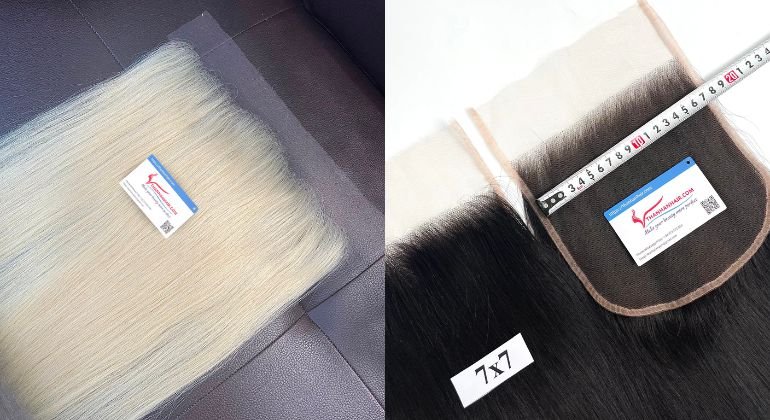
The key difference between lace frontal and lace closure lies in coverage. Lace closure typically measures four by four or five by five inches and covers only the top or crown area.
Lace frontal spans from ear to ear, replacing the entire front hairline and allowing for more styling freedom.
Styling and usage comparison
Lace closure is best for fixed middle or side parts and simpler hairstyles. Lace frontal supports pulled back styles, high ponytails, and off-the-face looks.
Skill and maintenance considerations
Lace closure is easier to install and maintain, making it suitable for beginners. Lace frontal requires more skill but delivers a more realistic and versatile result.
>>> Read more: Difference Between a Lace Frontal and Closure: Everything You Need Before Buying Lace Hair
Maintenance and Care for Lace Frontal
Proper maintenance is essential for preserving the appearance, durability, and overall lifespan of a lace frontal. Because the lace base is delicate and the hair is hand-tied, consistent and gentle care helps maintain both the hair quality and the integrity of the lace.
Washing and cleansing routine
Lace frontal should be washed only when necessary to avoid weakening the knots and causing premature shedding. Overwashing can dry out the hair and loosen the hand-tied strands.
When cleansing, use a mild, sulfate-free shampoo and focus on the hair rather than scrubbing the lace. Gently massage the scalp area with your fingertips and allow the shampoo to flow through the lace instead of rubbing it directly.
After washing, apply a lightweight conditioner to the mid-lengths and ends. Avoid heavy conditioners or oils near the lace area, as product buildup can affect the natural appearance of the hairline.
Moisturizing and product usage
Keeping the hair properly moisturized is key to maintaining softness and shine. Lightweight leave-in conditioners or natural oils can be applied sparingly to prevent dryness.
It is important to avoid products that contain high levels of alcohol, silicone buildup, or heavy waxes, as these can weigh the hair down and accumulate on the lace. Excessive product buildup may cause the lace to appear visible and reduce breathability.
Heat styling and daily handling
While lace frontal made from human hair can tolerate heat styling, excessive heat should be avoided. Always use a heat protectant and keep styling tools at a moderate temperature.
Daily handling should be gentle, especially around the hairline. Pulling, brushing aggressively, or repeatedly styling the same area can weaken the knots and lead to shedding over time.
Nighttime protection
Protective nighttime routines play a significant role in maintaining lace frontal. Wrapping the hair with a silk or satin scarf helps reduce friction, prevents tangling, and protects the hairline while sleeping.
Alternatively, using a silk or satin pillowcase can provide similar benefits if a scarf is not preferred. These materials help preserve moisture and minimize stress on both the hair and lace.
Storage and long-term care
When not in use, lace frontals or wigs should be stored on a mannequin head or in a breathable storage bag. This helps maintain the shape of the hairline and prevents tangling.
Proper storage, combined with regular gentle care, ensures that lace frontal remains soft, natural-looking, and reusable for multiple installations.
Conclusion
Achieving a natural hairline, flexible styling, and a polished overall look requires more than just the right technique. From understanding the product itself to mastering installation and long term care, every choice directly influences the final result.
Even the most precise application and maintenance routines cannot make up for low quality hair or inconsistent sourcing. Longevity, realism, and performance are determined by the integrity of the hair, the craftsmanship of the lace, and the expertise of the supplier behind each piece.
This is why partnering with a trusted and experienced hair manufacturer is essential, especially for salon owners, professional stylists, and wholesale buyers who depend on stable quality, reliable service, and long term value.
At Thanh An Hair, we take care of all your concerns from start to finish. We are Vietnam’s premier provider of hair extensions and wigs, with over 20 years of experience in the industry and a verified Alibaba account that has been active for over 13 years. We currently work with over 500 salon owners, hairstylists, and hair suppliers worldwide. We are confident in our position as a top brand, providing the finest customer experience in terms of product quality and affordability.
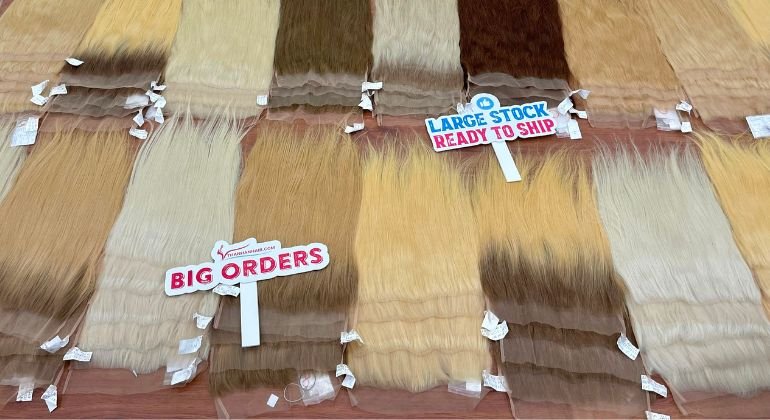
Contact Thanh An Hair today for expert consultation and the most competitive price list.
🌍 100% Vietnamese Human Hair – Consistent Quality
📦 Ready Stock – Fast Global Shipping
🤝 Competitive Pricing – Flexible for Every Order
👉 WhatsApp: (+84) 973522855
👉 Instagram: THANH AN HAIR WHOLESALE MANUFACTURER
👉 TikTok: Thanh An Hair
👉 Email: thanhanexport@gmail.com