
Raw Vietnamese Hair
Do Clip-In Hair Extensions Fall Out During Intense Exercise? What You Need to Know
Nov
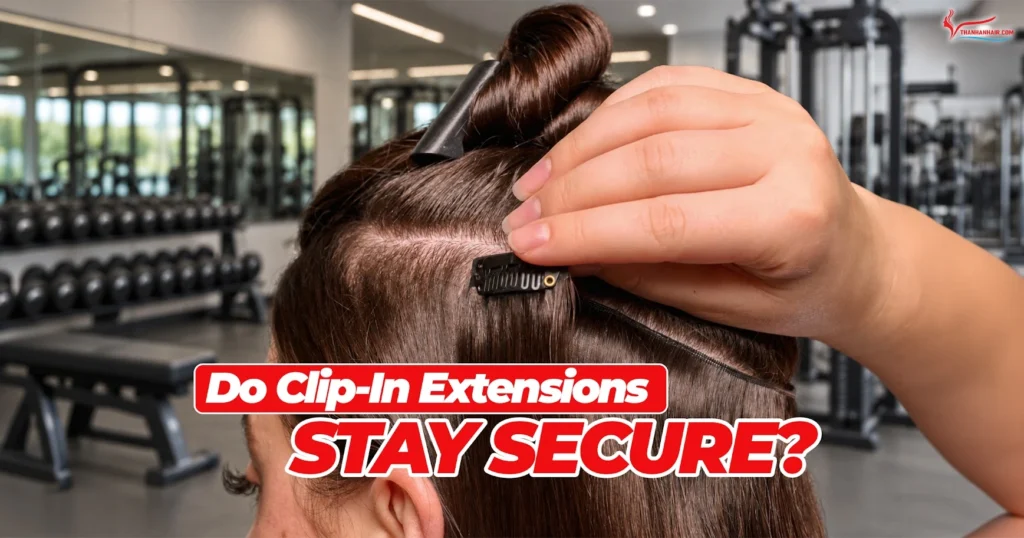
Do clip-in hair extensions fall out? They can, but not simply because you move around. Clip-in hair extensions are designed to stay attached to natural hair during normal daily activities when the clips are properly fastened, the wefts are correctly positioned, and the extension weight suits your hair density. However, intense exercise, excessive sweating, friction, and rapid head movements can increase the risk of slipping.
The important distinction is that a clip becoming loose is not the same as natural hair breaking or falling out. Both problems can be avoided or reduced by choosing suitable extensions and installing them correctly.
This guide explains what affects clip security, whether silicone-lined clips provide better grip, which workouts are suitable for clip-ins, and how to protect your natural hair while wearing extensions.
1. Why Can Clip-In Hair Extensions Slip or Fall Out?
Clip-in extensions use small snap clips attached to hair wefts. Each clip opens, grips a section of natural hair near the roots, and closes to hold the extension in place. Unlike permanent extension methods, clip-ins do not rely on glue, tape, or professional bonds.
Although this attachment method is convenient, it is not completely resistant to movement. Many first-time wearers ask, do clip-in hair extensions fall out when they start sweating or moving quickly? Understanding how moisture, weight, and placement interact helps answer this question clearly.
Sweat and slippery roots
During exercise, sweat accumulates around the scalp and roots. When natural hair becomes damp, some clips may find it harder to maintain their original grip, especially if the hair is already fine, silky, or coated with styling products.
In short, do clip-in hair extensions fall out solely from light perspiration? Rarely—unless a clip was only partially closed or attached to overly oily roots.
Repeated movement and extension weight
Walking and gentle stretching usually create less movement around attachment points than running, jumping, or high-intensity interval training.
During vigorous activity, long extensions swing and create additional pulling force. If a weft is too heavy or attached to a small section of weak hair, it may become uncomfortable or begin to shift.
When people wonder do clip-in hair extensions fall out during high-energy routines, excessive weft weight is often the hidden cause.
Incorrect installation
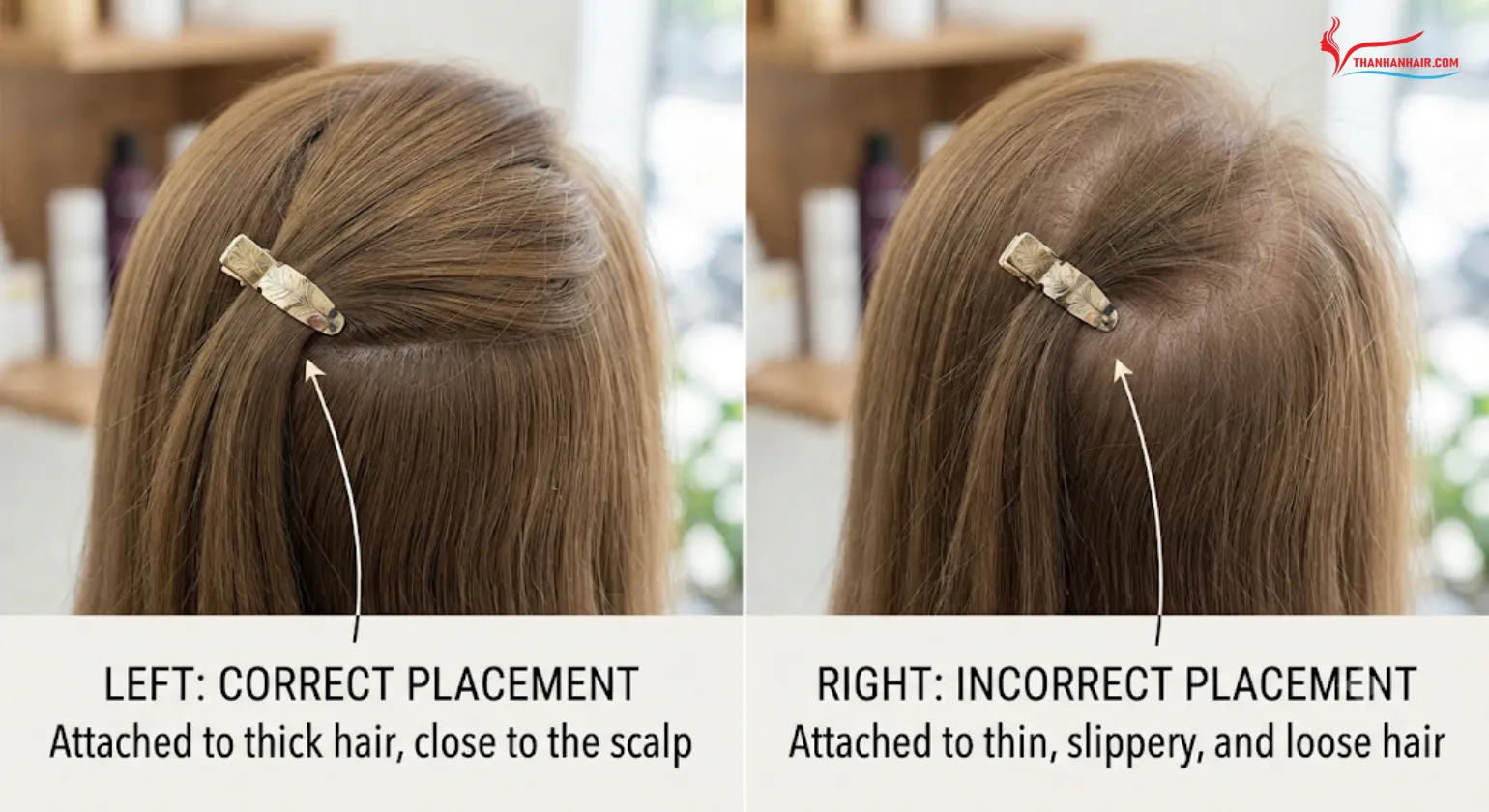
A clip attached to too little hair, positioned on an unsuitable section, or left partially open may not hold securely.
Installing extensions over oily, tangled, or heavily conditioned roots can also make it harder for the clips to grip natural hair effectively.
Poor sectioning is another common reason users ask do clip-in hair extensions fall out shortly after putting them in.
2. How Strong Are Clip-In Hair Clips?
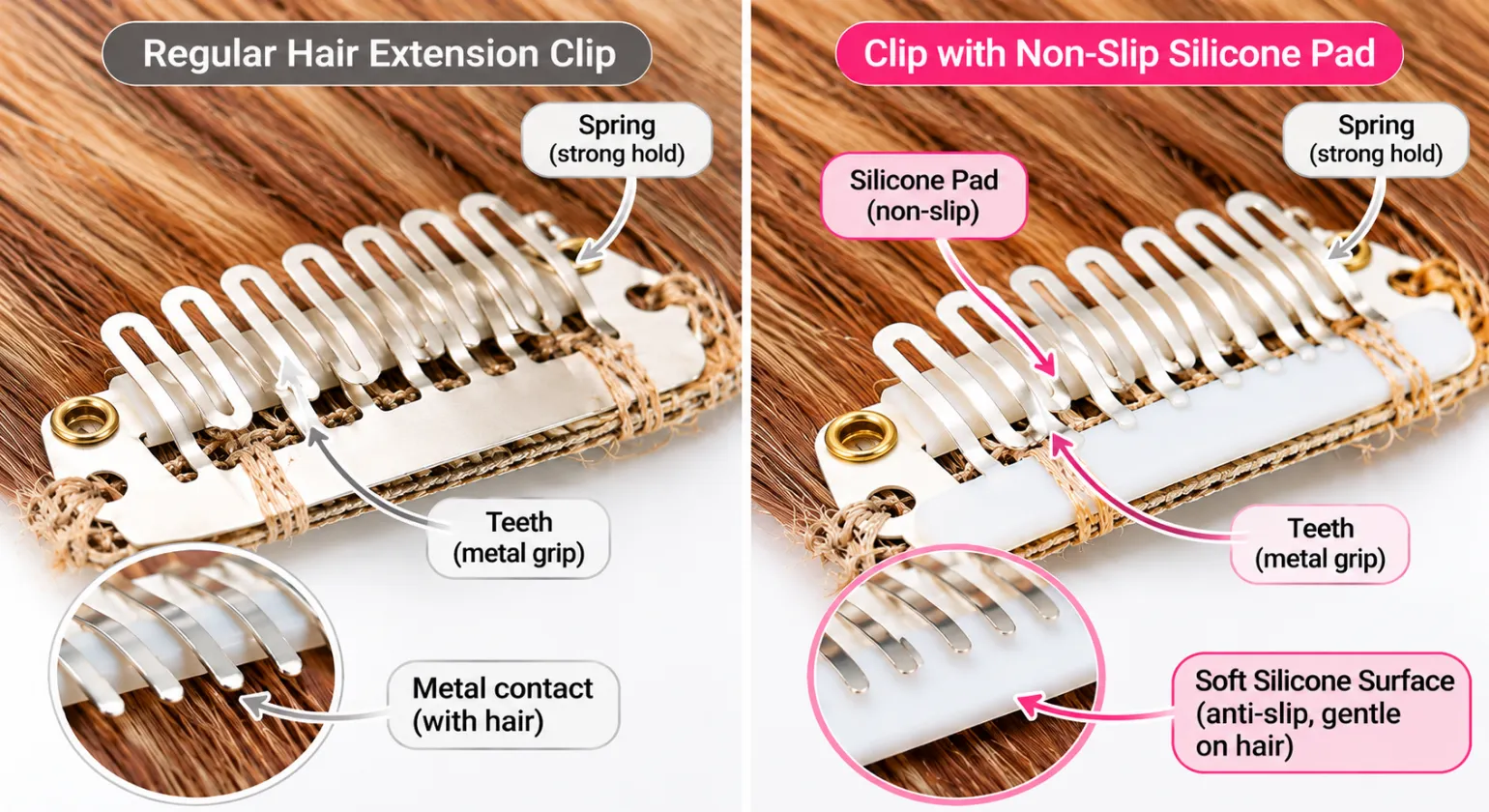
The strength of clip-in extensions depends on more than the metal clip itself. The spring mechanism, teeth, attachment stitching, and natural hair supporting each clip all influence how securely the extension stays in place.
Four factors that determine clip security
- Spring tension: A functional snap mechanism should open and close smoothly and remain securely fastened.
- Clip teeth: The teeth should grip hair without sharp edges that snag or damage individual strands.
- Attachment stitching: Clips should be firmly attached to the weft rather than hanging loosely or shifting along the seam.
- Weft weight: Heavier extensions place more load on the natural hair supporting each clip.
A strong metal clip cannot compensate for weak natural hair or poor installation. Similarly, a well-made weft may still slip if the clips are not properly closed.
Checking these four details before leaving home helps prevent the frustration of wondering do clip-in hair extensions fall out mid-day.
Are silicone-lined clips more secure?
Silicone-lined clips have a soft, textured surface designed to improve contact between the clip and natural hair. Depending on the design, this lining may help reduce slipping, particularly on fine or smooth hair.
However, silicone does not guarantee that extensions will remain fixed during every type of physical activity.
When choosing silicone-lined clips, check that:
- The lining is evenly attached and does not peel away.
- The clip closes securely without excessive pressure.
- The teeth do not snag or pull individual strands.
- The clip feels comfortable against the scalp.
The best clip provides a stable grip without creating excessive tension.
3. Can You Wear Clip-In Extensions During Exercise?
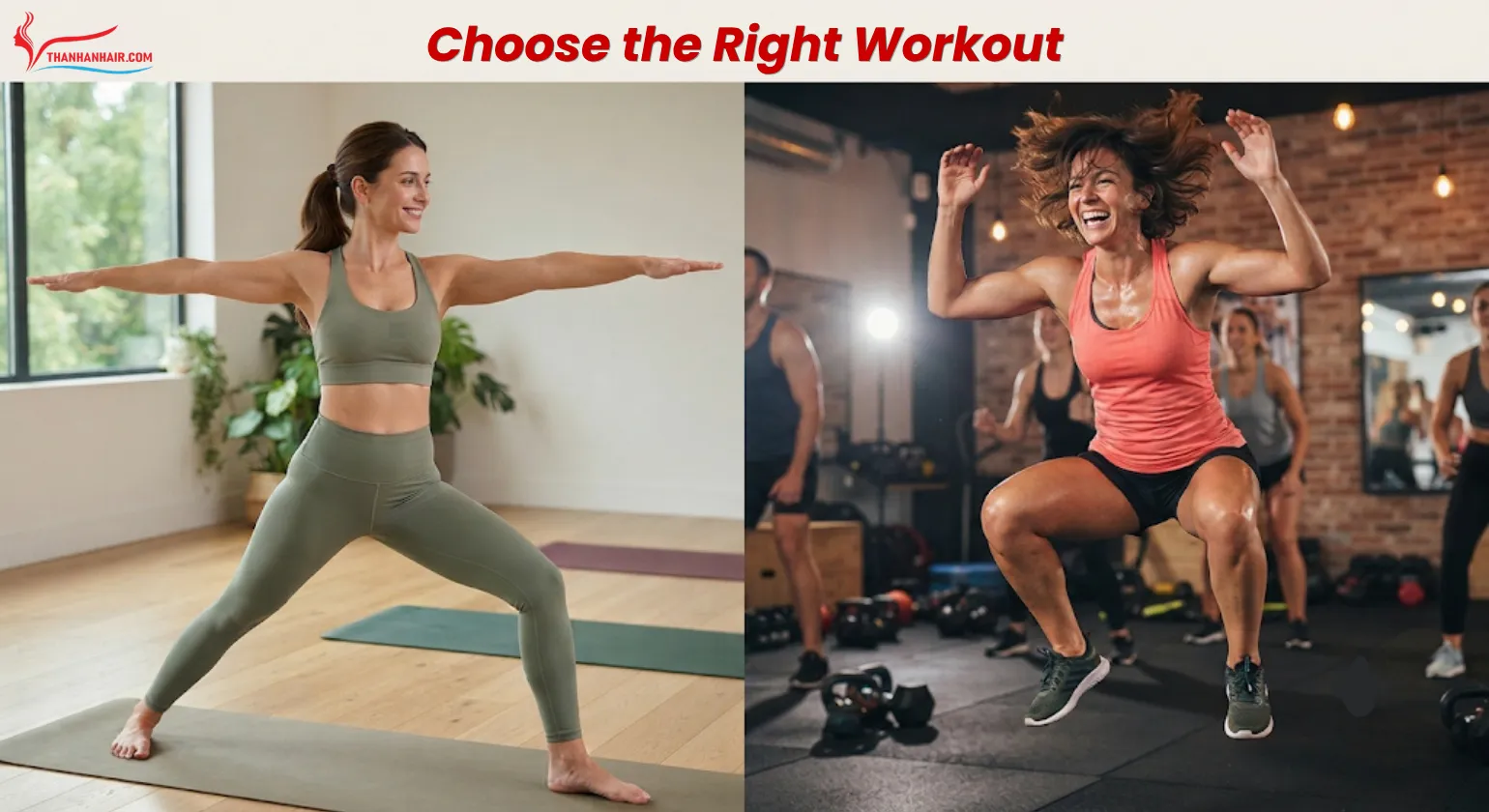
Yes, you can wear clip-in extensions during some physical activities, but the level of movement matters. There is no universal guarantee that every clip-in set will stay secure during every workout.
| Activity | Wearing clip-ins | Practical recommendation |
| Walking | Generally suitable | Check that all clips are closed |
| Gentle yoga | Usually manageable | Avoid positions that create friction around the wefts |
| Pilates | Depends on the movements | Check clips before lying down or changing positions |
| Weight training | Often manageable | Keep long hair controlled and away from equipment |
| Dancing | More likely to shift | Secure the hair and check clips during breaks |
| Running | Higher slipping risk | Consider removing extensions |
| HIIT and jumping | Not recommended for most users | Remove clip-ins before training |
| Swimming | Not recommended | Remove extensions before entering the water |
Why high-impact exercise is different
High-impact workouts combine several factors: sweat, repeated head movement, friction, and the swinging weight of long hair.
Even if the clips remain attached, the extension hair may become tangled or pull against natural hair. For this reason, removing clip-ins before intense exercise is often the more comfortable and cautious choice.
The American Academy of Dermatology advises removing clip-in extensions before washing natural hair and taking precautions to prevent damage from extensions. Its guidance on preventing hair damage from weaves and extensions explains why proper installation and avoiding excessive tension matter.
If you are choosing extensions for everyday wear as well as occasional physical activity, consider the weight, number of wefts, and attachment design before purchasing. A lighter set may be more manageable than a very full set during a busy day.
=>> Shop now: Clip In Hair – Thanh An Hair, explore available clip-in styles and compare options for different hair textures, lengths, and styling needs.
4. How to Prevent Clip-In Extensions from Slipping
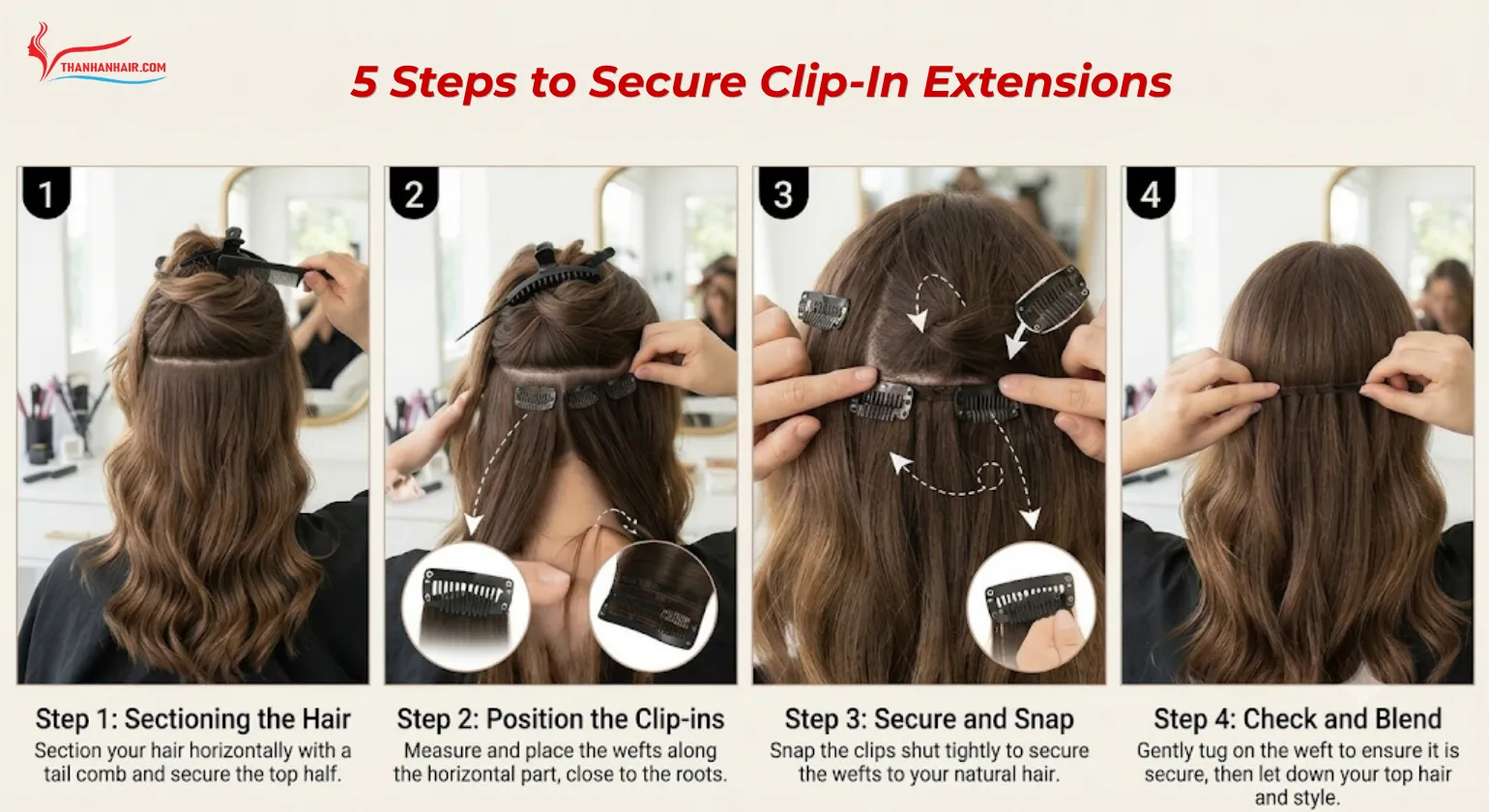
If you want to wear clip-in extensions throughout a busy day, a secure installation is essential. These practical steps can help improve stability and reduce unnecessary pulling.
Step 1: Start with clean, dry natural hair
Avoid attaching clips to wet, oily, or heavily conditioned roots. Excess product can make the hair slippery and reduce the clips’ ability to grip individual sections.
Your natural hair should be completely dry before installation.
Step 2: Create sections with enough supporting hair
Use a tail comb to create clean, horizontal sections. Each clip should attach to a section that contains enough natural hair to support its weight.
Avoid attaching clips to extremely thin sections or fragile hair around the temples and front hairline.
Step 3: Fasten every clip properly
Open each clip, position it close to the roots without pressing directly against the scalp, and snap it shut.
Gently check that the clip feels stable. It should not slide immediately when you move your head, but it should also not pull painfully on your natural hair.
Step 4: Distribute the weight evenly
Do not place every weft in one concentrated area. Distribute the pieces across suitable sections so that the weight is shared rather than concentrated on a few small sections of hair.
For fine or fragile hair, choose a lighter set instead of trying to achieve maximum volume with too many wefts.
Step 5: Secure long hair before moving around
For everyday activities, a loose braid or low ponytail can reduce tangling and excessive swinging.
Avoid very tight hairstyles. Pulling natural hair firmly backward while the clips are attached can increase tension at the roots.
=>> Read more: How to Apply Clip In Hair Extensions Like a Pro, learn how to section your natural hair, position each weft, and fasten the clips for a natural-looking result.
5. Can Clip-In Extensions Damage Your Natural Hair?
Clip-in extensions are removable, which gives users more control over how long they wear them. However, removable does not automatically mean damage-free.
Repeated tension, excessive weight, poor placement, and forceful removal can contribute to breakage or hair loss.
Understand the difference between slipping and hair damage
These are different problems:
- Slipping: The clip moves down the natural hair shaft because it does not have enough grip.
- Breakage: Natural hair strands snap because of excessive tension, friction, or pulling.
- Traction-related hair loss: Repeated pulling on hair follicles can contribute to traction alopecia, particularly when tension is prolonged.
The British Association of Dermatologists explains that traction alopecia is caused by constant pulling on the hair. Hair extensions and clips can contribute to this risk when they create repeated or excessive tension. Its patient guidance on traction alopecia explains the warning signs and why tight hairstyles should be avoided.
Warning signs that your clips are too tight
Remove or reposition the affected weft if you notice:
- Pain or tenderness around the attachment point.
- Persistent pulling when moving your head.
- Headaches after installing the extensions.
- Broken strands around frequently used clip positions.
- Redness or irritation on the scalp.
If you experience persistent scalp discomfort or noticeable hair loss, stop wearing the extensions and consider consulting a dermatologist.
6. How to Choose Reliable Raw Vietnamese Clip-In Extensions
The quality of the hair and the construction of the clips both matter. Raw Vietnamese clip-ins can be an option for customers who want natural-looking human hair, styling flexibility, and reusable extensions.
When choosing a set, consider the following:
Hair quality: Look for strands with a consistent texture, natural movement, and minimal tangling.
Weft construction: The hair should be securely attached to the base, with no obvious loose stitching or uneven sections.
Clip quality: Check the spring mechanism, teeth, lining, and attachment points. A clip should open and close smoothly and remain securely attached to the weft.
Weight distribution: Choose a set that suits your natural hair density. A heavier set is not necessarily a better set.
Color matching: Compare the extension color with your hair in natural lighting. A close match makes the wefts easier to blend.
For customers who prefer a discreet finish, seamless clip-in designs are worth considering. Their flatter construction can help the extensions sit closer to the head, although the final result still depends on the thickness of your natural hair and correct placement.
=>> Shop now: Seamless Clip In Hair Premium Quality Vietnamese Hair Extensions, explore a seamless clip-in option designed for a discreet, natural-looking finish.
Thanh An Hair manufactures and supplies Vietnamese human hair extensions, including clip-in styles. The company reports a 2,000 m² factory, approximately 300 workers, and production capacity of up to 10 tonnes of hair extensions per month. These figures describe the wider hair-extension operation, not a guarantee of the security or performance of every individual clip-in set.
For wholesale buyers, the stated standard processing time is approximately 1–7 days, while customized orders may take up to 30 days. International shipping is estimated at 3–10 days. The stated 1 kg MOQ applies to eligible wholesale hair products and should not automatically be assumed to apply to every clip-in set. Confirm the exact product MOQ, clip specifications, and order terms before purchasing.
7. How to Care for Clip-In Extensions After Wearing Them
Good aftercare helps maintain both the hair and the clip mechanisms.
After wearing your extensions:
- Remove each clip gently instead of pulling the weft away from your hair.
- Detangle the extensions from the ends upward using a suitable brush.
- If the extensions become sweaty or dirty, clean them according to the manufacturer’s care instructions.
- Allow the hair to dry completely before storing it.
- Keep the wefts flat or neatly organized to prevent tangling and damage to the clips.
- Check the clip springs, teeth, and stitching regularly.
You do not need to wash clip-in extensions after every short workout or ordinary day. Cleaning frequency should depend on product buildup, sweat exposure, and the manufacturer’s care recommendations.
Avoid storing damp extensions in closed bags. Moisture trapped around the weft can affect the hair’s condition and create unpleasant odors.
=>> Read more: Clip-In vs Tape-In Hair Extensions: Which Is Better for Weak Hair? (2026), compare two popular extension methods and understand which attachment style may better suit fragile or fine natural hair.
Conclusion: Do Clip-In Hair Extensions Fall Out During Exercise?
Clip-in hair extensions do not normally fall out during ordinary daily activities when they are correctly installed and suitable for your natural hair. However, intense exercise, excessive sweating, rapid movement, unsuitable clip placement, and heavy wefts can increase the chance of slipping.
For the best clip-in hair safety, start with clean, dry hair, choose a suitable extension weight, fasten every clip correctly, and avoid excessive tension. Silicone-lined clips may improve grip for some hair types, but they are not a guarantee against slipping.
If you regularly participate in running, HIIT, jumping, or other high-impact activities, removing your clip-ins before exercising is generally the more practical choice. A secure extension should feel comfortable—not tight, painful, or constantly in need of adjustment.
Frequently Asked Questions
1. Do clip-in hair extensions fall out easily?
No. Properly installed clip-in extensions should stay attached during normal daily activities. They may slip if the clips are poorly fastened, the natural hair is too slippery, or the wefts are too heavy.
2. Can I wear clip-in extensions while running?
You can, but running creates repeated movement and friction that may cause clips to shift. For regular or intense running, removing clip-ins is generally the safer and more comfortable option.
3. Are silicone-lined clips better than regular clips?
Silicone-lined clips may provide additional grip, particularly on smooth or fine hair. However, clip design, spring tension, hair density, and correct installation all influence overall security.
4. Can clip-in extensions damage thin hair?
They can contribute to breakage if the extensions are too heavy, attached repeatedly to the same fragile areas, or removed forcefully. Choose a lightweight set and avoid placing clips on weak hair around the temples.
5. How can I tell if my clip-in extensions are secure?
Each clip should close fully, remain in position during gentle movement, and feel comfortable against your scalp. If a clip slides immediately or causes pain, remove it and reinstall it in a more suitable section.
6. Should I remove clip-in extensions before swimming or showering?
Yes. Removing clip-ins before swimming or showering helps prevent tangling, unnecessary exposure to water and chemicals, and difficulty cleaning your natural hair and scalp.
Find Your Ideal Clip-In Hair Extensions with Thanh An Hair
Looking for natural-looking clip-in extensions with quality Vietnamese human hair? Thanh An Hair offers a range of clip-in styles for customers, salons, and wholesale buyers.
Contact our team to discuss available textures, lengths, colors, clip specifications, sample options, and wholesale pricing before placing your order.
- WhatsApp/Hotline: (+84) 973 522 855
- Official Website: https://thanhanhair.com/
- Instagram: https://www.instagram.com/thanhanhair/
- Email: thanhanexport@gmail.com
Get in touch with Thanh An Hair to find clip-in extensions that match your styling needs and daily routine.