
Raw Vietnamese Hair
How to Maintain and Clean Full Lace Wigs Properly for Over 2 Years (2026)
Nov
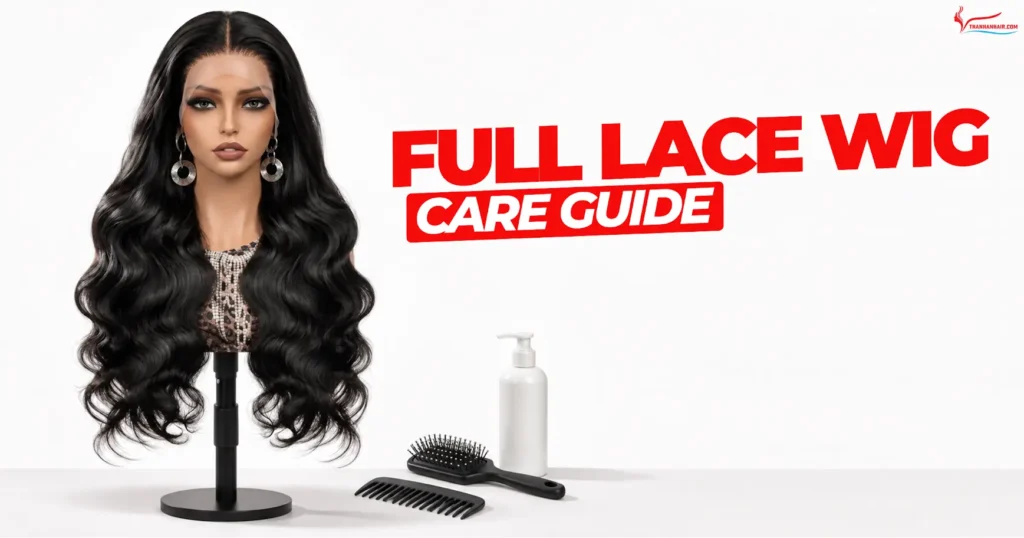
To keep a full lace wig soft, smooth, and in good condition for longer, you need to wash it properly, condition it regularly, minimize heat exposure, and store it in a dry, well-ventilated place. Following a suitable full lace wig maintenance maintenance routine helps reduce tangling, breakage, and dryness while protecting the lace base and preserving the wig’s natural appearance.
Full lace wigs are popular among salon owners, hairstylists, and individual users because they offer flexible styling options and a natural-looking hairline. However, unlike natural hair, wigs do not receive moisture and natural oils from the scalp. Without proper cleaning and maintenance, the hair may lose its softness, become tangled around the nape, or develop damage to the knots and lace base.
Besides maintenance, choosing the right product from the beginning is equally important. Hair quality and lace construction can significantly influence a wig’s long-term performance. If you are exploring different wig styles and constructions, you can browse Thanh An Hair’s wig and Full Lace Wig product collection to discover different options made from Vietnamese human hair.
1. Why Is Proper Full Lace Wig Maintenance Important?
A high-quality full lace wig can be reused many times when properly maintained. However, its actual lifespan depends on several factors, including hair quality, frequency of use, installation techniques, styling products, chemical treatments, and cleaning habits.
There are three main components that require attention during full lace wig maintenance:
- Hair strands: They can become dry, tangled, and brittle due to friction, excessive heat, or chemical exposure.
- Lace base: The lace may stretch, tear, or lose its original shape if pulled, rubbed, or cleaned improperly.
- Hair knots: The knots securing individual strands may loosen or shed when the wig is brushed too aggressively, especially around the hairline.
Therefore, full wig maintenance involves more than simply keeping the hair clean. It also means protecting the entire wig structure.
According to dermatological guidance discussed by Healthline regarding traction alopecia, improper handling of hair attachments and excessive tension can place significant stress on the hair and scalp. Users should establish a consistent schedule for washing, conditioning, and inspecting their wigs instead of waiting until visible damage appears.
It is important to understand that using a wig for more than two years is not guaranteed for every product. It is a possible goal for high-quality human hair wigs when they are used carefully, rotated between wearings, and maintained with appropriate techniques.
2. How to Wash a Full Lace Wig Properly
Washing is one of the most important steps in full lace wig maintenance. However, you should not wash a wig too frequently or handle it as roughly as natural hair. A gentle cleaning routine helps prevent tangling, protect the lace base, and maintain the softness of the strands.
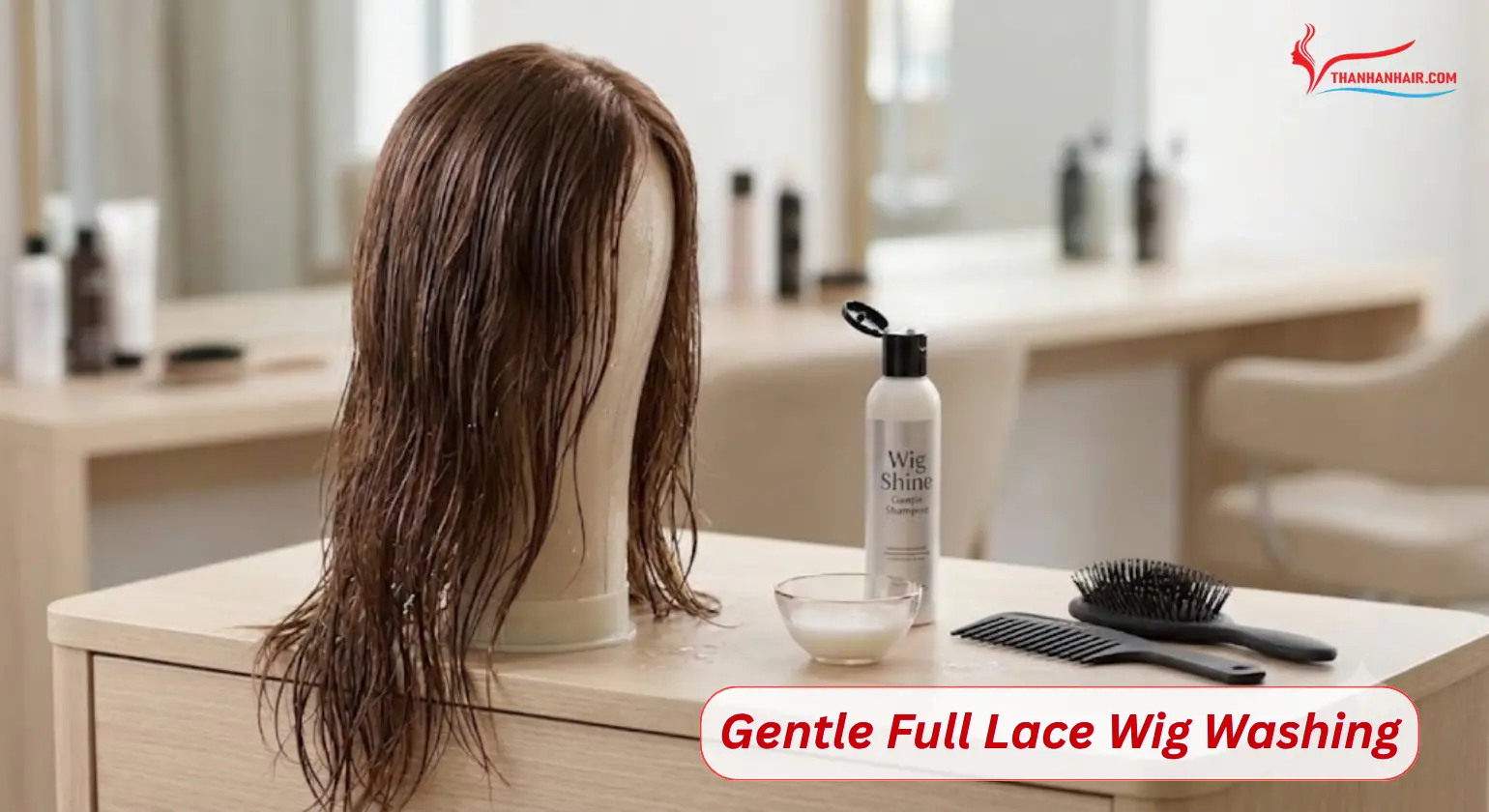
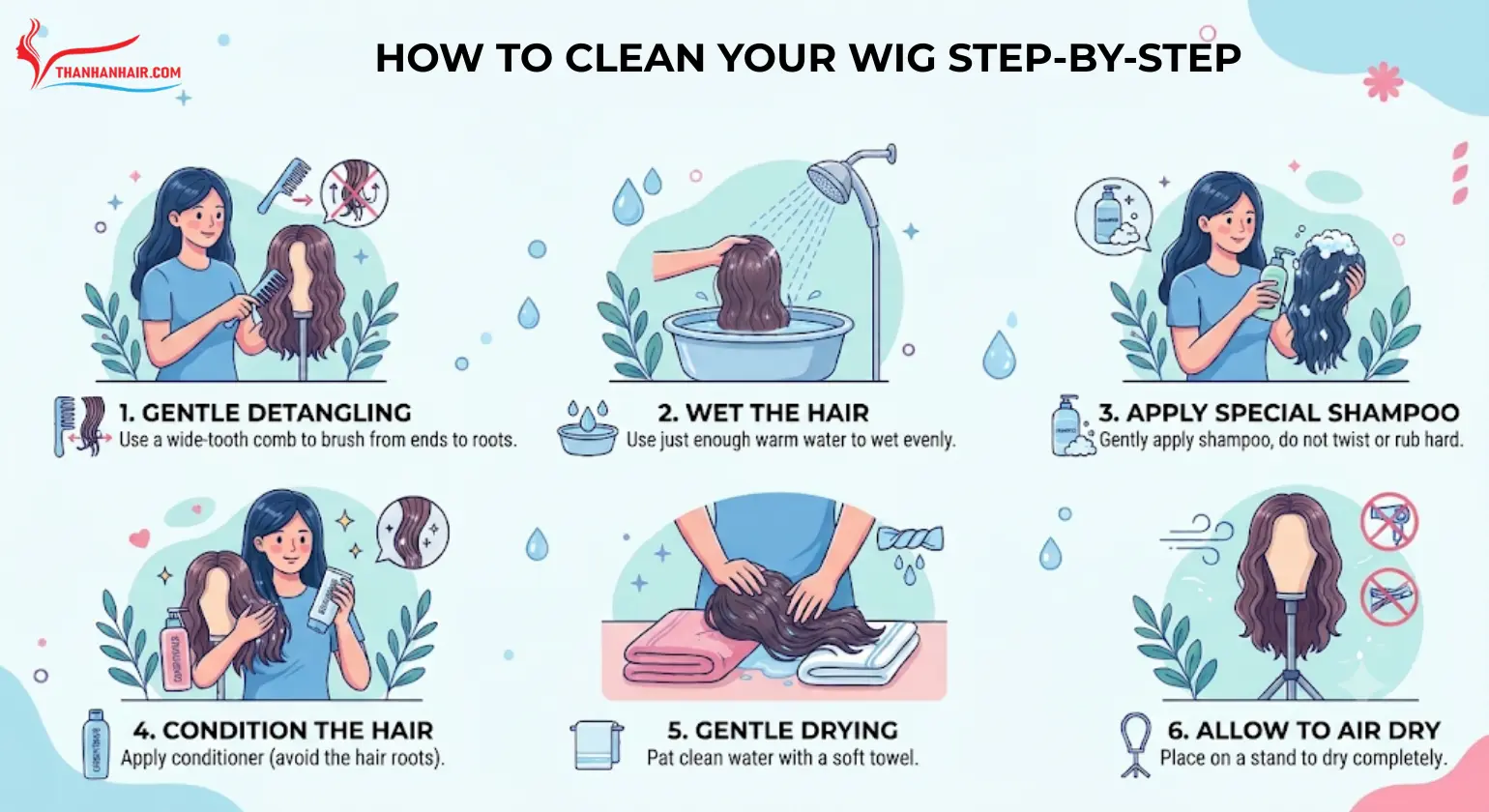
Step 1: Detangle the Hair Before Washing
Before wetting the wig, use a wide-tooth comb or a specialized wig brush. Divide the hair into small sections and gently comb from the ends toward the roots.
If you encounter a knot, use your fingers to loosen it gradually instead of pulling forcefully. Hold the hair above the tangled section to reduce unnecessary tension on the roots and lace base.
Detangling before washing is an important step because it reduces friction and makes the cleaning process easier.
Step 2: Wet the Hair with Cool or Lukewarm Water
Place the wig under a gentle stream of water, allowing the water to flow from the roots toward the ends. Avoid hot water because excessive heat can contribute to dryness and potentially affect delicate wig materials.
Do not rub, twist, or pull the lace while wetting the hair. This is particularly important for wigs made with delicate HD lace or Swiss lace.
Step 3: Apply a Suitable Shampoo
Choose a gentle shampoo with a mild formula, preferably one designed for human hair or recommended by the wig manufacturer.
Apply a small amount of shampoo to your hands, create a light lather, and gently distribute it along the hair.
Do not scrub, twist, or rub the strands aggressively. Instead, use gentle downward movements to clean the hair while minimizing friction.
When following the correct full wig washing method, focus on cleaning the hair while handling the roots and lace carefully.
Step 4: Condition the Hair After Washing
After rinsing out the shampoo, apply conditioner from the middle of the hair shaft to the ends.
Avoid applying excessive conditioner directly to the lace base, knots, or roots because product buildup may affect the knots and make the hair feel heavy.
Leave the conditioner on according to the manufacturer’s instructions, then rinse thoroughly with cool or lukewarm water.
This step should not be skipped, especially if the wig is frequently exposed to blow-drying or heat styling.
Step 5: Remove Excess Water and Air-Dry
Use a soft towel to gently absorb excess water. Never twist, wring, or rub the hair aggressively.
Place the wig on a suitable stand or drying support according to the manufacturer’s instructions and allow it to air-dry in a well-ventilated area.
Avoid direct sunlight and high-temperature blow-drying. If you need to use a hair dryer, select a cool or low-heat setting and apply a suitable heat protectant when appropriate for the wig’s construction.
3. How Often Should You Wash a Full Lace Wig?
There is no universal washing schedule for every wig. Cleaning frequency should depend on how often the wig is worn, how much sweat it absorbs, the surrounding environment, and the amount of styling product accumulated on the hair.
For wigs worn regularly, you can use the following full lace wig maintenance schedule as a general reference:
| Frequency | Recommended Maintenance |
| After each use | Gently detangle and inspect the hair before storage |
| After approximately 6–10 wears | Wash and condition the wig if its condition requires it |
| After every 2–3 washes | Apply deep conditioning to the lengths and ends if needed |
| Once a month | Inspect the lace base, adjustment straps, and knots |
This is a general guideline for human hair wigs and should be adjusted according to the product’s actual condition. If the wig develops an odor, accumulates sweat, or has significant styling product buildup, clean it sooner.
When learning how to wash a wig, it is important to distinguish between human hair wigs and synthetic wigs. Synthetic fibers may not tolerate high temperatures or regular human hair care products. Always check the manufacturer’s instructions before washing.
One important principle of proper wig washing is to avoid aggressive scrubbing. Gentle water flow, suitable shampoo, and careful handling are usually sufficient to remove everyday dirt and buildup.
For wigs with delicate lace bases, avoid prolonged soaking or stretching the lace. If adhesive remains on the lace, use a specialized adhesive remover according to the product instructions. Never pull the hair or lace directly to remove glue residue.
By following an appropriate cleaning schedule, you can help maintain the hair’s softness while reducing unnecessary stress on the wig construction.
4. How to Care for Lace Wigs and Protect the Hairline
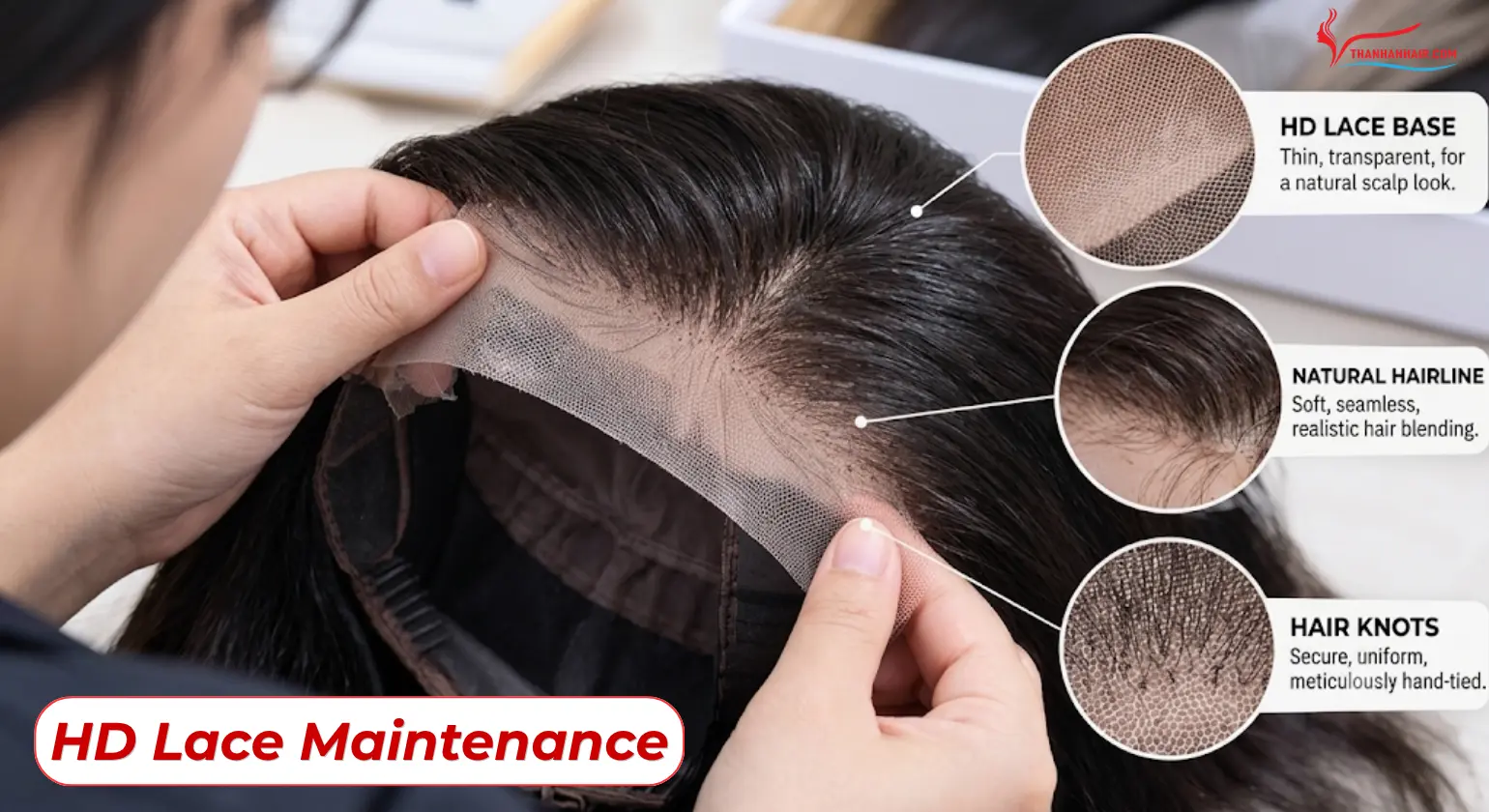
One of the most important features of a full lace wig is its lace base. This thin material creates a natural-looking hairline, but it is also one of the most delicate parts of the wig.
Proper full lace wig maintenance requires attention to both the hair strands and the lace construction. You should not focus exclusively on conditioning the hair while neglecting the lace.
Here are several important maintenance principles:
- Avoid pulling the lace when removing the wig.
- Use a specialized adhesive remover if the wig has been installed with glue.
- Never scrub the hairline directly with a hard brush.
- Prevent excessive conditioner, serum, or hair oil from accumulating around the knots.
- Regularly inspect the temples, forehead area, and nape for signs of lace damage or shedding.
During lace wig care, if you notice a tear in the lace or loosened knots around the hairline, stop wearing the wig and have it inspected by a professional technician.
HD lace requires particular attention because its delicate construction can be more vulnerable to friction and pulling. Adhesive removal should always be performed gradually rather than pulling the wig away from the scalp.
Lace wig care does not mean applying large amounts of conditioning products. In fact, using the right amount of product helps keep the hair lightweight and reduces buildup around the roots.
If you are considering different lace constructions, understanding the characteristics of each material can help you make a more informed choice. For example, What Is an HD Lace Full Wig? Understanding HD Lace and Regular Lace explains the construction, material characteristics, and features to consider when choosing a full lace wig.
5. How to Brush, Style, and Store Full Lace Wigs
In addition to washing, your daily brushing and styling habits have a direct impact on how long your wig maintains its quality.
Brush the Hair Correctly
Use a wide-tooth comb or a specialized wig brush. When the hair becomes tangled, divide it into smaller sections, hold the hair above the tangled area, and gently comb from the ends toward the roots.
Avoid aggressive brushing when the hair is wet because wet strands are more vulnerable to stretching. If necessary, apply a small amount of lightweight detangling spray to make brushing easier.
Regular gentle brushing helps reduce knots and prevents unnecessary tension on the hair strands.
Minimize Heat and Chemical Exposure
Curling irons, flat irons, and high-temperature blow dryers can cause human hair wigs to become dry and lose their natural shine.
When styling, use a heat protectant and choose the lowest temperature that achieves your desired result.
Avoid frequent bleaching or coloring. If you want to change the hair color, test a small section first or ask an experienced professional to handle the process.
Chemical treatments can weaken the hair and affect its texture, particularly when the wig has already undergone previous processing.
Always follow the manufacturer’s recommendations because not every wig is suitable for the same styling methods.
Store the Wig Properly When Not in Use
Effective full lace wig maintenance also includes proper storage.
Place the wig on a mannequin head or a suitable wig stand that matches its size. Avoid oversized stands because they may stretch the wig cap.
If you plan to store the wig for an extended period, make sure it is completely dry before placing it in a satin bag or a storage box lined with soft tissue paper.
Keep the wig away from humid environments, direct sunlight, and heat sources. Never place heavy objects on top of the hair or lace base.
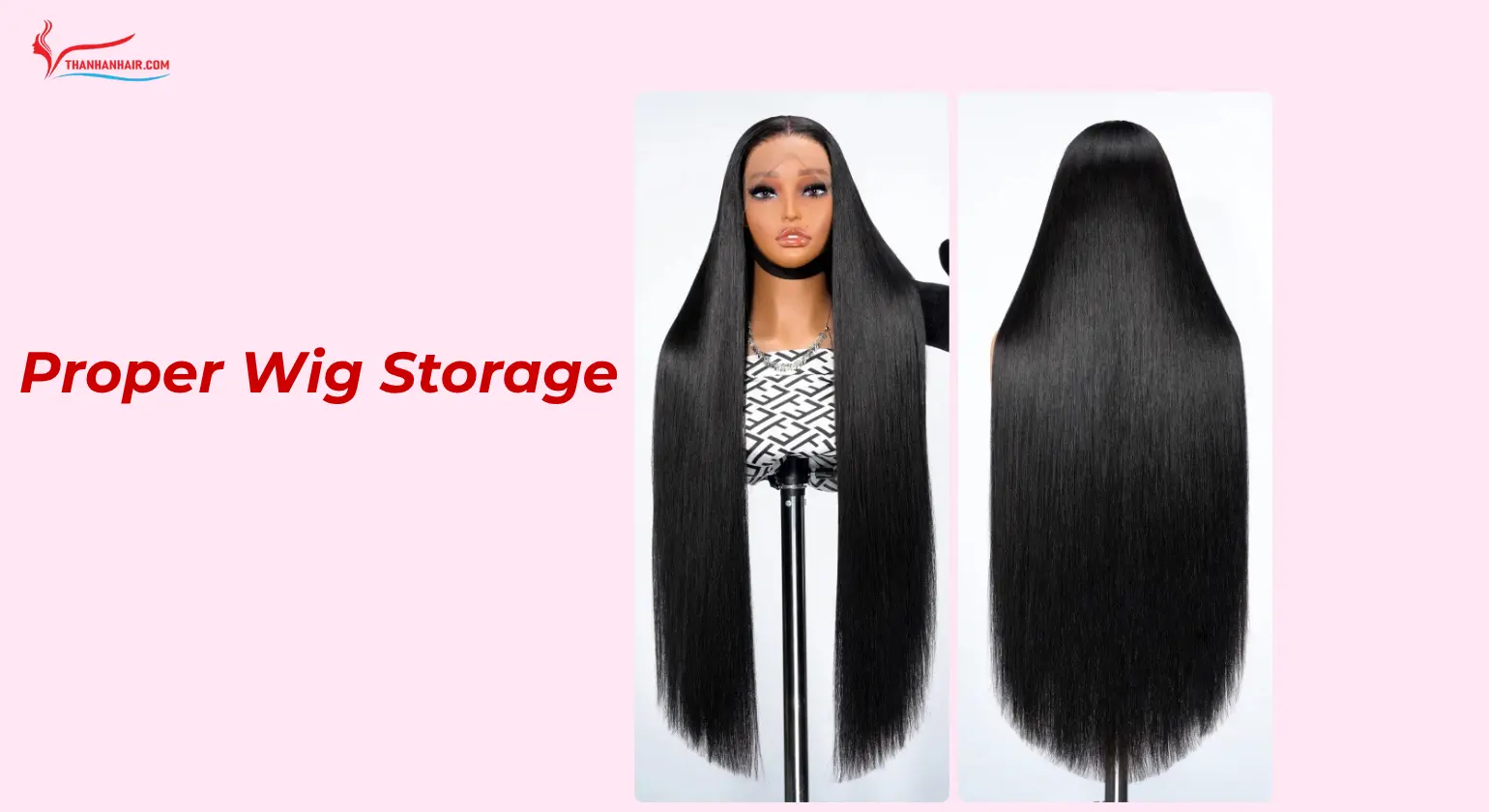
These full wig storage tips are particularly useful for people who own multiple wigs and rotate them regularly.
Common Mistakes That Shorten Wig Lifespan
Even high-quality human hair wigs can deteriorate faster when handled incorrectly. Understanding common mistakes can help you maintain your wig more effectively.
| Common Mistake | Potential Consequence |
| Washing with hot water | Increased dryness and loss of softness |
| Scrubbing aggressively | Tangling and unnecessary tension on hair knots |
| Brushing forcefully | Increased breakage and shedding |
| Drying under direct sunlight | Dryness and possible color changes |
| Storing the wig while damp | Unpleasant odors and moisture-related problems |
| Applying excessive adhesive or hair oil | Product buildup around the lace and knots |
Avoiding these mistakes can help maintain the appearance and structure of your full lace wig over time.
6. Can High-Quality Full Wigs Last Longer?
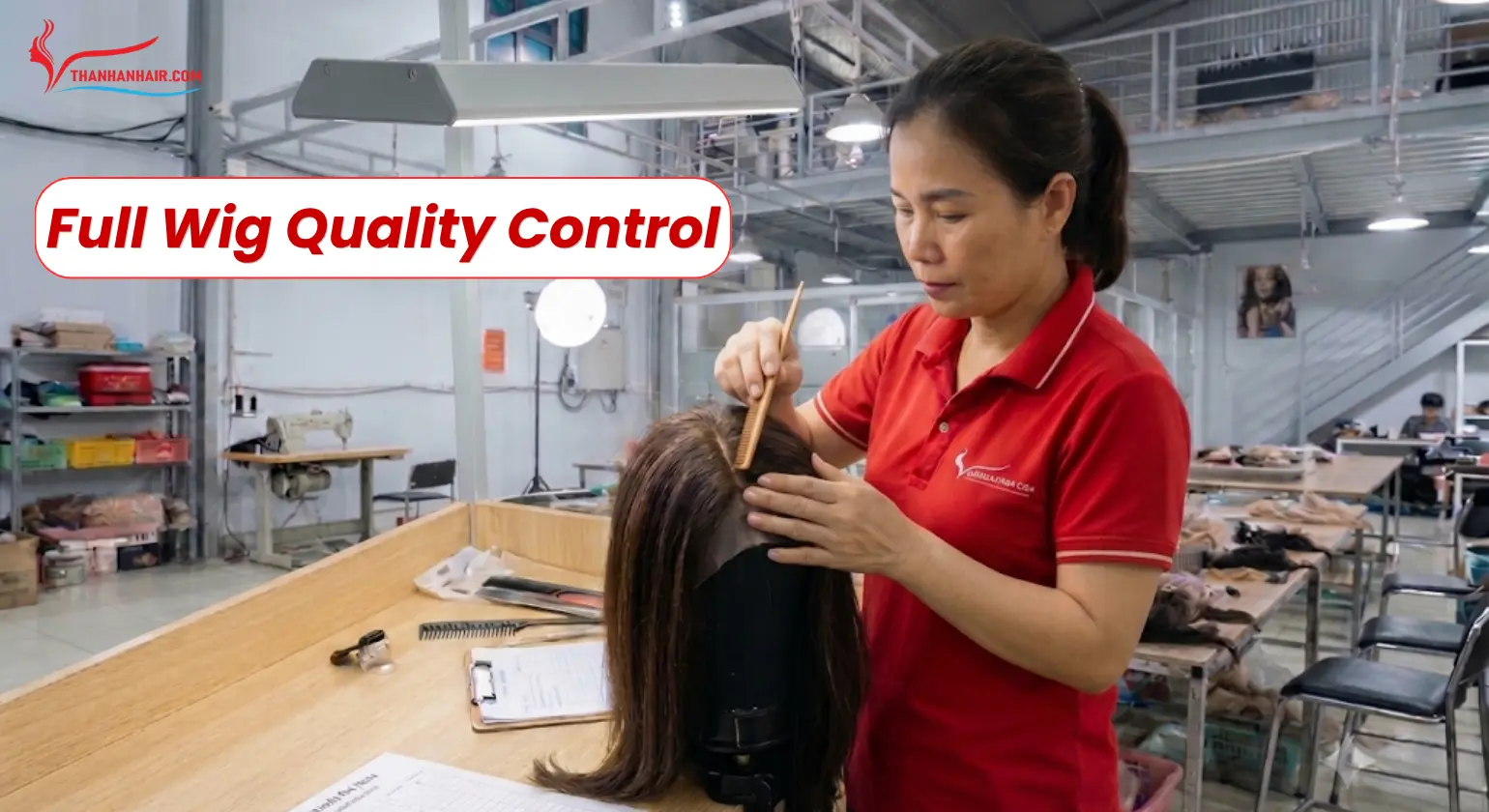
Besides maintenance techniques, the quality of the raw materials and manufacturing process also plays an important role in a wig’s long-term performance.
Full wigs made from human hair generally offer more styling flexibility than many synthetic alternatives. However, not all human hair wigs have the same quality. Buyers should evaluate hair consistency, cuticle condition, density, lace construction, and knotting techniques before purchasing.
Why Choose a Vietnamese Human Hair Manufacturer?
Thanh An Hair is a Vietnamese human hair manufacturer established in 2012. According to the company’s published information, its manufacturing and supply capabilities include:
- 2,000 m²: Factory area in Bac Ninh, Vietnam.
- Approximately 300 employees: A workforce involved in different manufacturing stages.
- 10 tonnes per month: Published production capacity.
- MOQ from 1 kg: Applicable to bulk hair and weft hair; wigs have a separate MOQ of 10 pieces according to the product information provided.
- 1–7 business days: Processing time for available products.
- Up to 30 days: Production time for large or customized orders.
- 3–10 business days: Typical international shipping time.
These details help salon owners and wholesale distributors evaluate a manufacturer’s supply capabilities before placing an order. If you want to learn more about the company’s background, production environment, and experience in the Vietnamese hair industry, you can explore Thanh An Hair’s company profile and human hair manufacturing facilities in Vietnam.
Color Matching and Product Specifications
According to information published by Thanh An Hair, its estimated color matching rate is approximately 80–90% against reference color rings.
Actual results may vary depending on natural hair characteristics, lighting conditions, and differences between product images and physical samples.
For wholesale orders, buyers should request physical samples and confirm the required specifications before production. This is particularly important for customized colors, textures, lengths, and wig constructions.
Understand the Supplier’s After-Sales Policies
Customers should also understand the company’s published after-sales policies:
- Report damaged or defective products within 48 hours of receiving the order.
- Eligible return or exchange requests can be made within 7 days, subject to applicable terms.
- A 30-day warranty applies to manufacturing defects under the published warranty policy.
Specific conditions should be confirmed with the supplier before placing an order. Damage caused by improper use, incorrect maintenance, or customized product requirements may be subject to policy exclusions.
Before making a wholesale purchase, buyers should carefully review ordering terms, minimum order quantities, sample options, and product specifications. You can explore Thanh An Hair’s wholesale hair ordering terms and sample options to learn more about available product categories, wholesale requirements, and cooperation opportunities.
If you are looking for a reliable wig supplier for your salon or wholesale business, carefully evaluate hair quality, manufacturing processes, product specifications, and after-sales policies before making a decision.
7. FAQ – Frequently Asked Questions About Full Wig Maintenance
- Can a full lace wig last for more than two years?
Yes. A high-quality human hair wig may last for more than two years when properly maintained, used carefully, and protected from excessive heat and chemical treatments. However, the actual lifespan varies depending on hair quality, wig construction, frequency of use, and maintenance habits.
- How often should I wash a full lace wig?
For regularly worn human hair wigs, washing after approximately 6–10 wears is a useful general guideline. If the wig accumulates sweat, dust, or styling products, it should be cleaned sooner.
- Can I use regular shampoo on full wigs?
Some gentle shampoos designed for human hair can be suitable. However, it is better to choose a mild moisturizing formula recommended by the manufacturer and follow the product’s care instructions.
- How can I prevent tangling around the nape?
Gently brush the hair after each use, minimize friction against clothing and collars, apply suitable conditioning products, and detangle the hair as soon as knots begin to form.
- Can I blow-dry my wig after washing?
Yes, but use a cool or low-heat setting and apply a suitable heat protectant if the wig’s care instructions permit heat styling. Air-drying on a suitable wig stand is generally the gentler option.
- What should I do if the lace is torn or the knots begin to loosen?
Avoid pulling, sewing, or gluing the lace yourself if you do not have the necessary experience. Stop wearing the wig and take it to a professional technician for inspection and repair.
Conclusion
To extend the lifespan of a full lace wig, you need to combine proper washing, regular conditioning, gentle brushing, limited heat exposure, and careful lace handling.
A consistent full lace wig maintenance routine helps preserve the hair’s softness, natural appearance, and overall structure while reducing the need for frequent replacements.
If you are a salon owner or wholesale distributor looking for a reliable source of human hair wigs, carefully evaluate hair quality, manufacturing processes, product specifications, and after-sales policies before placing an order.
You can explore Thanh An Hair’s wholesale hair ordering terms and sample options or contact Thanh An Hair directly to request a paid sample pack and the latest product specifications before making a purchasing decision.
Contact Thanh An Hair
- WhatsApp/Hotline: (+84) 973 522 855
- Official Website: https://thanhanhair.com/
- Instagram: @thanhanhair
- Email: thanhanexport@gmail.com