
Raw Vietnamese Hair
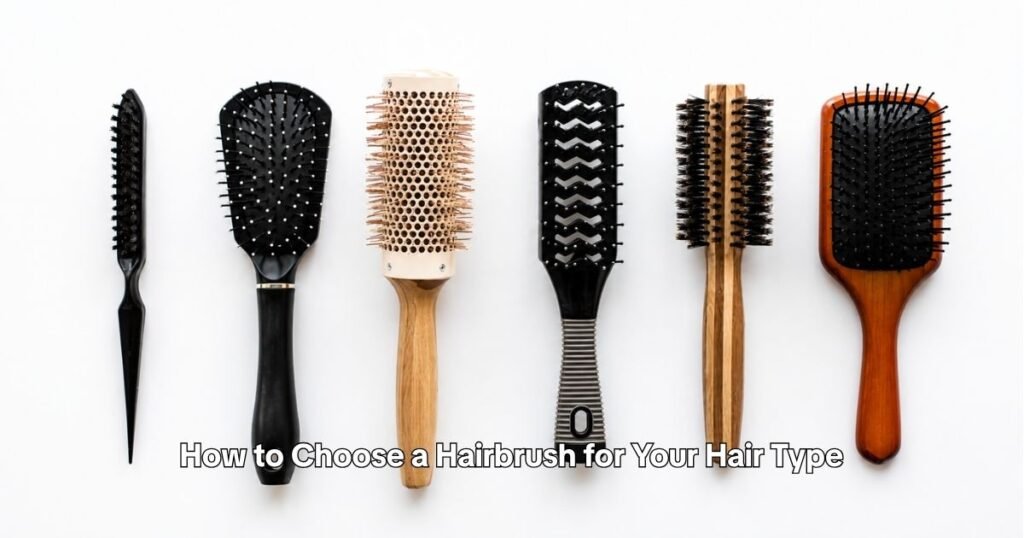
How to Choose a Hairbrush for Your Hair Type
Aug
How To choose a hairbrush, match three things: bristle stiffness to your strand diameter, tooth spacing to your texture, and tool shape to the job. Detangle wet hair with a wide-tooth comb or flexible wet brush, smooth dry hair with a paddle, style with a round barrel, and use a loop brush over extension attachments.
| Brush type | Best for | Skip it if | Why it works |
|---|---|---|---|
| Paddle brush | Daily smoothing on medium to long hair | Your main task is wet detangling | Covers the most hair per stroke; the US market’s top seller |
| Round brush | Blow-dry volume, bend, and polish | You want a detangler | Barrel size sets the result: small curls, large smooths |
| Wide-tooth comb | Wet hair, conditioner distribution, curls | You need root-to-tip polish on dry hair | The dermatologist default for fragile wet hair |
| Flexible wet brush | Wet detangling on straight to wavy hair | Hair is coily and prone to pattern disruption when wet-brushed | Bristles bend before your strands do |
| Boar bristle brush | Fine or straight hair, oil distribution, shine | Hair is dense, coily, or soaking wet | Polishes the cuticle flat; works close to the scalp |
| Mixed boar and nylon | Most hair types, one-brush routines | You only ever detangle wet hair | Nylon reaches the scalp, boar polishes the surface |
| Vent brush | Fast rough-drying with a blow dryer | You want smoothing or shine | Open back lets airflow through the hair |
| Loop brush | Extensions, wigs, and toppers | You do not wear added hair | Looped bristles pass over tabs, bonds, and weft threads |
What Actually Matters in a Hairbrush
Four design choices decide whether a brush helps or hurts: bristle material, bristle spacing, the base it sits in, and the tip finish. Everything else is styling.
Start with a distinction most guides blur: fine versus thin. Fine describes the diameter of each strand; thin describes how many strands grow per square centimeter of scalp. You can have fine, dense hair or coarse, sparse hair, and they need opposite tools. Diameter governs the bristle stiffness a strand can take; density governs the spacing and pin length needed to reach your scalp. When a client complains that a brush “does nothing,” the pins usually are not reaching through dense hair; when a brush “rips,” the pins are usually too stiff for fine strands.
Match the Brush to Your Hair Type
Fine hair

Fine hair needs soft boar or mixed boar and nylon bristles on a cushioned base for daily smoothing, plus a flexible detangler for knots. Boar bristles carry scalp oil down the shaft, and the polish shows fast on small-diameter strands. Skip stiff, widely spaced pins; fine hair does not need the reach, and it pays for the force in snapped strands. If you are seeing more broken pieces than you expect, run through our checklist on hair breakage causes and fixes before blaming the brush alone.
Thick or coarse hair

Thick or coarse hair needs long nylon pins, wide spacing, and a large paddle surface, because the job is reach and coverage. Boar alone floats on top of dense hair and just frizzes the surface layer. A paddle for daily work and a large round barrel for blow-drying cover most routines; there is a reason the paddle segment holds the largest share, 20.6 percent, of the US hairbrush market in Grand View Research’s 2024 data.
Wavy hair
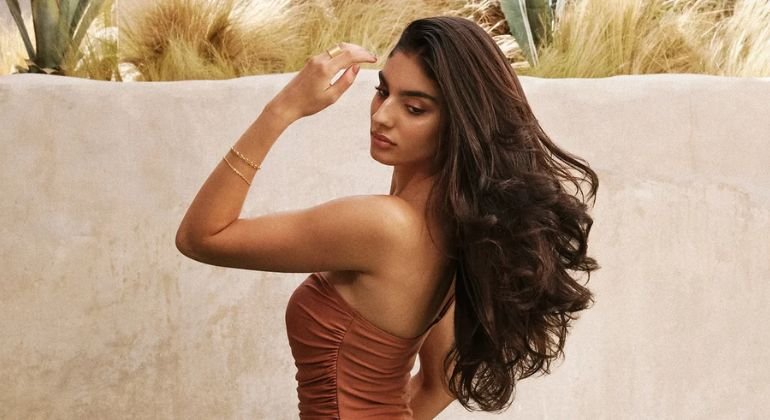
Wavy hair sits in the easiest position: a mixed-bristle brush or paddle for dry days, a wide-tooth comb in the shower, and a round brush when you want the wave smoothed into a bend. The caution: brushing between washes separates wave clumps into frizz, so brush to style, then stop.
Curly hair
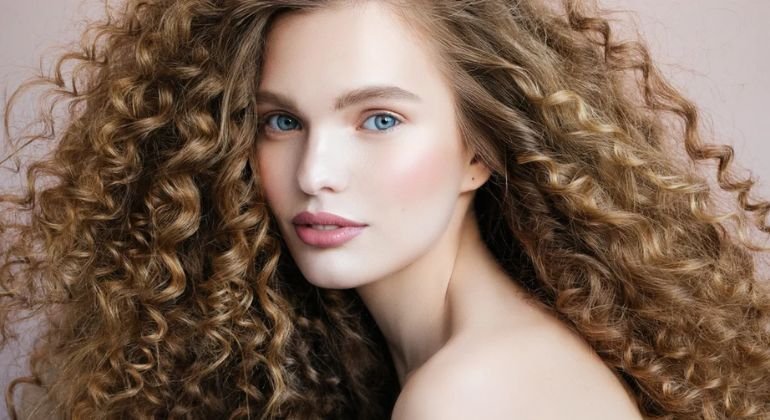
Curly hair should be detangled damp with conditioner in it, using a wide-tooth comb or fingers, ends first. Dry brushing breaks up curl definition and inflates volume where you may not want it, so many curly routines keep brushes for wash day or for deliberate blowouts. A dense rubber-pad styling brush can clump and define curls if you like that finish.
Coily hair
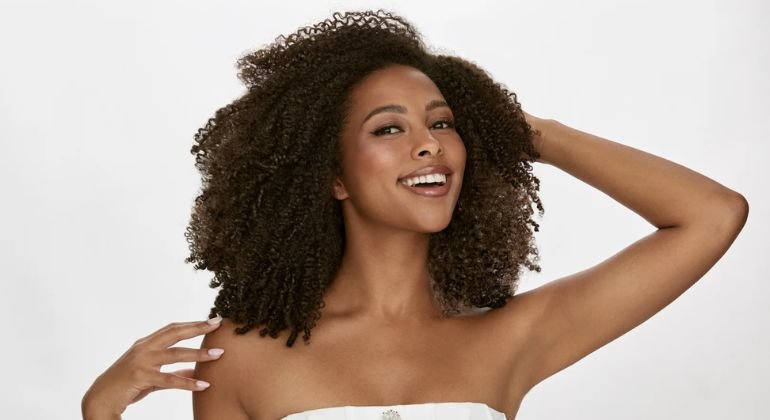
Coily hair concentrates tension at every twist along the strand, so it takes the gentlest tools in this guide: a wide-tooth comb or fingers on damp, conditioned hair, worked in sections from the ends up. Boar bristles and fine-tooth combs are the two tools to refuse; both catch at the bends. Keep tension low near the roots, and if a style or tool leaves your scalp sore, that soreness is data; we explain what it means in why your hair hurts.
Fragile or aging hair

Hair that is chemically processed, gray, or simply older tends to be drier and lower in that protective lipid layer, so treat it like fine hair regardless of its diameter: soft bristles, a cushioned base, slow strokes, ends first. A sudden jump in shedding is a different problem from breakage, and it is a question for a board-certified dermatologist, not a new brush.
Wet Hair or Dry Hair: What Dermatologists Say
Wet hair is the fragile state. Water swells the shaft and lets it stretch far beyond its dry limit, and a controlled study in the Annals of Dermatology found internal cell membrane damage in hair left to air-dry slowly, while hair dried with a moving dryer held 15 centimeters away avoided it. The practical reading: get hair from soaking to damp gently, then finish with low, moving heat.
The American Academy of Dermatology turns this into simple tool rules. Detangle wet hair with a wide-tooth comb, not a standard brush. If your hair is thick or curly, comb in the shower with your conditioner still in. If it is straight, let it dry a little first. Always start at the ends and work upward, and blot with a towel or T-shirt instead of scrubbing. The same dermatologists also list over-brushing among damaging habits: brush to style, not to hit a stroke count.
How to Choose a Hairbrush in 6 Steps
- Measure your strand diameter and density. Roll one strand between your fingers. If you can barely feel it, your hair is fine; if it feels like sewing thread, it is coarse. Then check density: how much scalp shows when you part your hair. Fine but dense hair needs different tools than coarse but sparse hair.
- Name the main job for the brush. Decide what this brush must do most days: detangle after washing, smooth before work, build volume during a blow-dry, move scalp oil down the shaft, or maintain extensions. One brush per job beats one brush for everything.
- Pick the bristle material. Choose nylon for speed through thick hair, boar for polishing fine or straight hair, a boar and nylon mix for most routines, and flexible plastic for wet detangling. Reject any bristle that feels sharp against your inner wrist.
- Pick the shape and size. Paddles cover the most hair per stroke, round barrels set shape during a blow-dry, vented backs speed up rough-drying, and combs handle wet work. With round brushes, small barrels curl and large barrels smooth.
- Inspect tips, cushion, and seams. Run a fingertip over the bristle ends: tips should be rounded, and molded combs should be saw-cut with no ridge line down each tooth. A cushioned base absorbs force your strands would otherwise take.
- Adjust for wet hair and extensions. If the brush will touch wet hair, it must be a wide-tooth comb or a flexible wet brush. If you wear extensions or a wig, add a loop brush and keep ball-tipped pins away from tape tabs, keratin bonds, and weft threads.
Which Brush Is Safe for Hair Extensions and Wigs?
A loop brush, plus a soft mixed-bristle brush for finishing, is the extension answer, and it is the section brush-brand guides skip entirely. Looped bristles have no free tip, so they pass over tape tabs, keratin bonds, beads, and the stitching on hand-tied and machine wefts instead of hooking them. Standard ball-tipped pins are comfortable on a scalp but behave like tiny crochet hooks around attachment points and clip-in bases. Technique matters as much as the tool: gather the section, hold it at the attachment so tension stops at your hand, and detangle from the ends up.
Two factory notes from our own quality control line. First, this ends-first, coarse-to-fine sequence is exactly how hair is finished industrially: bundles are drawn through wide-set hackle pins before finer ones, never the reverse, because reversing the order tears fiber. Second, extension hair receives no sebum from a scalp, so a boar bristle brush has no oil to distribute on it; what keeps extension hair soft is a leave-in conditioner applied before brushing, with the brush only spreading it. And never rip extension hair through wet: with no follicle anchoring it, every snapped strand leaves the set for good.
The Short Version
Buy for your strand diameter and density, not your length. Keep one wet tool (wide-tooth comb or flexible wet brush), one dry tool matched to your type (paddle, mixed bristle, or boar), one styling tool if you blow-dry (round or vent), and a loop brush if you wear added hair. Replace anything with cracked tips. That is the whole system, and it costs less than one ruined extension set.
If you run a salon or resell hair and want extension fiber that arrives already aligned, hackled, and brush-tested, talk to the Thanh An Hair factory team for a wholesale consultation and sample set.
Ready to find your perfect match? Contact us today for expert advice and exclusive discounts on premium human hair extensions.
📲Phone/WhatsApp: +1 (206) 698‑5133
🛜Instagram: RAW HAIR LUXURY COMPANY
🌐Tik Tok: RAW HAIR LUXURY
📧 Email: Rawhairluxury.us
🌐Website: rawhairluxury.com