
Thanh An Hair
The Ultimate Nighttime Hair Routine for Hair and Extensions
Jul
A nighttime hair routine is the set of steps you take before bed to protect your hair and extensions from friction, tension, and moisture loss while you sleep. The routine has three moves: detangle gently, secure a loose protective style, and seal in moisture. Done nightly, it prevents breakage and extends the life of human hair extensions.
Why your nighttime hair routine matters more than your morning one
Your hair takes more mechanical stress during the seven or eight hours you sleep than during any single styling session. Each time you turn on the pillow, strands drag across the fabric, and that repeated rubbing lifts the cuticle and snaps fragile strands. The scalp already sheds about 100 hairs a day, and hair care practices increase that number, according to the reference text Anatomy, Hair in StatPearls. Overnight friction is one of the most avoidable additions to that count.
The stakes are higher when you wear extensions. Human hair extensions are an investment: the United States hair extension market alone reached about 2.46 billion US dollars in 2024, per Fortune Business Insights, and the global wigs and extensions market is forecast to hit roughly 12.27 billion US dollars by 2030 in Grand View Research data. A good set costs real money, so treating it well at night protects both your hair and your wallet.
Here is the part most guides skip. Extensions receive no natural oil. Your scalp lubricates growing hair through the sebaceous gland in the pilosebaceous unit, but a weft, a bond, or a clip in strand is cut off from that supply. Every gram of moisture and every degree of smoothness in an extension comes from how you care for it. That is why the overnight window decides how long your clip in hair and bonded sets stay silky rather than dry and matted.
The 3-step nighttime hair routine: prep, protect, hydrate
This is the sequence to run every night, whether you wear natural hair or extensions. It takes about five minutes.
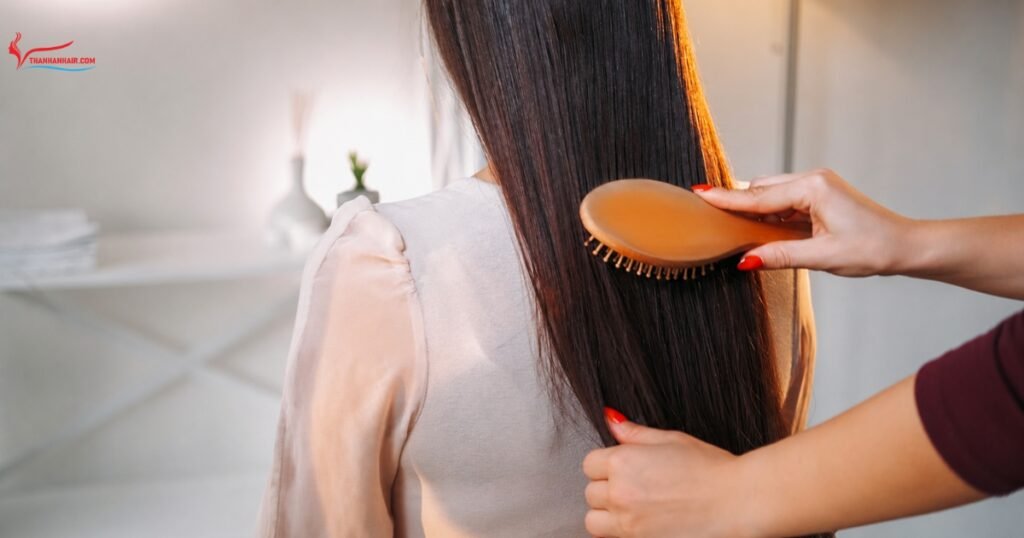
- Detangle from the ends up. Never sleep on knots, because a tangle at bedtime becomes matting and breakage by morning. Work in sections with a loop brush or a wide tooth comb, starting at the ends and moving up the shaft. The American Academy of Dermatology advises detangling the ends first to reduce pulling tension, and combing gently rather than tugging, in its guidance on healthy hair habits. For tape and bonded sets, hold the root above the bond so you never drag on the attachment.
- Secure a loose protective style. Loose hair moves against the pillow all night, so contain it without creating tension. A single soft braid, a loose low bun at the nape, or a low ponytail with a silk scrunchie keeps strands together and cuts friction. Keep every style loose. The AAD warns that pulling hair back tightly, including in ponytails, buns, and cornrows, creates tension that can lead to breakage and even permanent hair loss, in its list of habits that damage hair.
- Seal in moisture. Because extensions cannot self oil, finish with a light leave in mist or a pea sized amount of a lightweight oil worked through the mid lengths and ends only, never the roots or the bonds. This adds slip, so morning detangling is easier and gentler. Save rich creams and heavy butters for wash day rather than the pillow.
The best overnight setup by extension type
Not every method wants the same treatment at night. The single most common mistake is sleeping in pieces that should come out. Use this table to match your setup to what you wear.
| Extension type | Sleep in it? | Best overnight setup | Main risk to manage |
| Clip in wefts | No, remove | Detangle, then store flat in a dry box away from humidity | Tangling and stress at the clip bases |
| Halo piece | No, remove | Lift off, detangle, hang or lay flat | Wire pressure and matting |
| Tape ins | Yes, with care | Loose low braid, dry hair only | Bond slippage and matting at the root |
| Keratin tip (I, U, flat tip) | Yes, with care | Loose braid or loose low bun | Tension and twisting at the bonds |
| Hand tied or machine weft | Yes, with care | Loose braid to keep rows flat | Tangling near the sewn rows |
| Natural hair, no extensions | Not applicable | Loose braid or a loose top knot | Friction breakage at the nape |
The rule underneath the table is simple. Removable pieces such as halo hair and clip ins should always come out, get detangled, and rest in a dry space overnight. Semi permanent methods such as tape hair, keratin tip hair, and hand tied wefts stay in, so the whole job is protecting the bond or the row from tension and tangling.
Silk, satin, or cotton: which pillowcase protects hair best?
Your pillowcase is the surface your hair rubs against for hours, so its texture matters as much as any product. Smoother fabric means less drag on the cuticle and fewer strands lost to friction. Here is how the three common options compare.
| Surface | Relative friction | Overnight effect on hair |
| Cotton | High | Grips strands and draws out moisture, so more snagging, frizz, and breakage |
| Satin (polyester) | Low | Slippery and budget friendly, a solid step up from cotton |
| Silk (mulberry) | Lowest | Least friction, holds moisture in the hair, and is gentlest on the cuticle |
Mulberry silk is the strongest choice, and a silk or satin scrunchie and bonnet extend the same benefit. If a full silk pillowcase is out of reach right now, a satin case still beats cotton by a wide margin. Whatever you choose, the goal is the same: give the strand a slick surface so it slides instead of catching.
The science of overnight hair damage, and why raw hair holds up
Every strand of human hair is wrapped in a cuticle, a layer of overlapping scales that lie flat like roof tiles over the cortex, the core that holds the strand’s strength, as described in the StatPearls chapter on hair anatomy. When those scales sit flat and aligned, light reflects evenly and the hair feels smooth. Friction lifts and chips them, which is why abused hair looks dull and catches on everything.
Two overnight conditions make cuticle damage worse. First, tension: the AAD links repeated pulling to breakage and traction related hair loss, so tight overnight styles quietly do damage in its notes on how to stop damaging your hair. Second, wetness: hair is at its weakest when wet, so sleeping on damp hair drags fragile, swollen strands across fabric for hours. Dry your hair before bed, and if you cannot, at least braid it loosely on a silk surface.
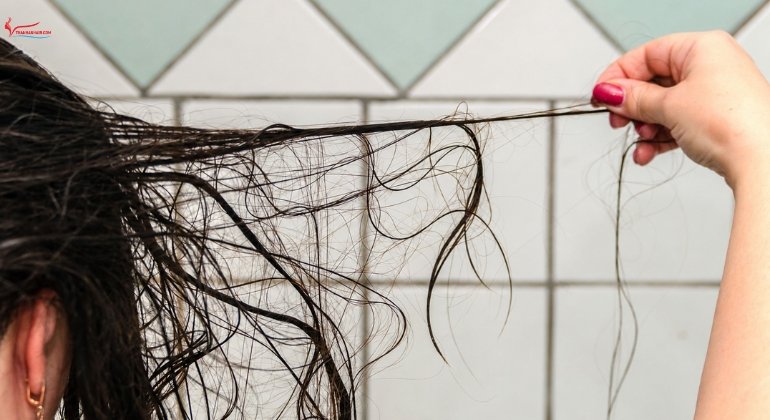
This is where the type of hair you buy changes the outcome. Cuticle aligned, single donor raw hair keeps all of its scales running in one direction from root to tip, the way the hair grew. That intact, unidirectional cuticle resists tangling and glides against itself and the pillow far better than acid stripped or heavily coated hair, which loses its natural scale layer and mats quickly. As a factory that produces single donor raw hair, we see the difference on the sorting table: hair that keeps its cuticle intact simply survives the friction of daily wear and nightly sleep for longer.
Nighttime care for clip-ins versus permanent extensions
The routine splits into two clear tracks depending on whether your hair comes out at night.
Clip in extensions: always remove them
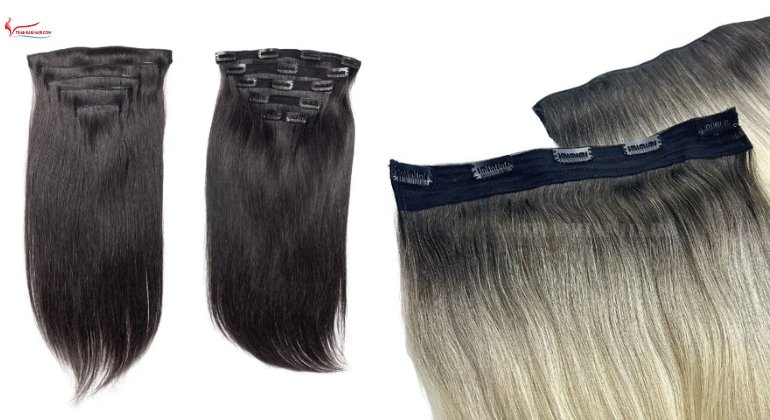
Never sleep in clip in extensions. Sleeping in them stresses the clips, tangles the wefts, and shortens their life. At night, unclip each weft, detangle it on its own, mist it lightly, and store the set flat in a box or a hanging carrier, away from sunlight and humidity. Clip ins do not need frequent washing, so between wears, storage matters more than shampoo. If you want a lower effort option for busy weeks, one piece styles like a halo sit and lift off in seconds.
Tape, keratin, and weft extensions: protect the bond
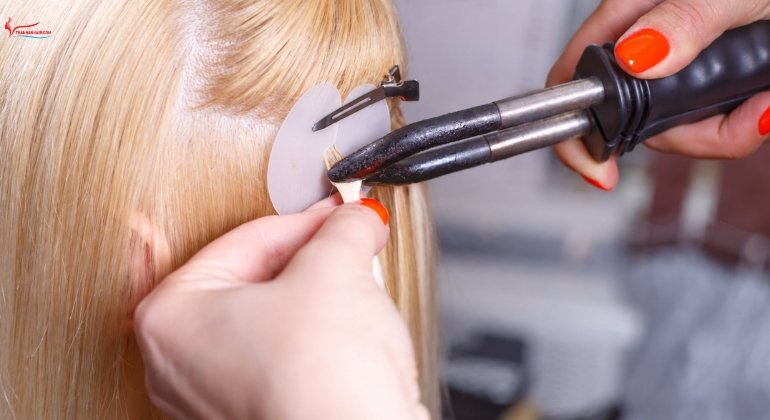
Because these stay in, the whole job is guarding the attachment. Detangle down to, but not through, the bond or row. Braid loosely so nothing twists overnight, and keep the roots dry to stop bonds from softening or slipping. Once a week, a deep conditioning mask on the mid lengths and ends restores flexibility to hair that has been through color or heat. If you find your bonds tangling most nights, the fix is usually a looser braid and a silk pillowcase, not more product. Wearers with very fine hair should stay especially gentle, and our guide to the best extensions for fine hair covers low tension methods in more detail.
Frequently asked questions
Can you sleep with hair extensions in?
It depends on the method. Never sleep in clip in or halo pieces, because they tangle and the clips take unnecessary stress. Semi permanent methods such as tape ins, keratin bonds, and wefts can stay in overnight if you braid them loosely, keep the hair dry, and sleep on silk to protect the bonds.
Is a silk or satin pillowcase better for hair extensions?
Silk is the better choice because mulberry silk has the lowest friction and helps the hair hold moisture. Satin, usually made from polyester, is a strong budget alternative that still beats cotton by a wide margin. Either fabric reduces the drag that lifts the cuticle and causes overnight breakage and frizz.
Should you tie your hair up at night?
Yes, but keep it loose. Containing your hair in a single soft braid or a low, loose bun stops strands from rubbing against the pillow all night. Avoid tight ponytails and high buns, since the American Academy of Dermatology links repeated tight styling to breakage and traction hair loss. Use a silk scrunchie rather than an elastic band.
Can you go to sleep with wet hair extensions?
Avoid it. Hair is at its weakest when wet, so sleeping on damp hair drags fragile strands across the pillow for hours, which causes breakage and matting. Extensions also do not dry evenly at the bond, which can loosen the attachment. Dry your hair before bed, or at least braid it loosely on a silk surface.
How do I stop my hair extensions matting while I sleep?
Matting comes from friction on tangled or wet hair. Detangle fully from the ends up before bed, braid loosely so nothing twists, dry the hair first, and sleep on a silk or satin pillowcase. For clip ins, the surest fix is simple: take them out and store them flat overnight.
How often should you wash hair extensions?
Less often than your natural hair. Wash only when product or oil builds up, using a sulfate free, extension safe formula, and condition the mid lengths and ends rather than the roots or bonds. Clip in sets can go many wears between washes. Over washing strips extensions faster because they cannot replace lost oils on their own.
Give your hair the overnight care it deserves
A consistent nighttime hair routine is the cheapest way to keep your hair and extensions looking salon fresh: prep it, protect it, hydrate it, and choose hair that keeps its cuticle intact so it can survive the friction of real life. Thanh An Hair produces cuticle aligned, single donor raw hair, factory direct, built to hold up wear after wear. Contact us for wholesale pricing and a sample and feel the difference an intact cuticle makes.
Contact Thanh An Hair today for expert consultation and the most competitive price list.
- WhatsApp/Hotline: (+84) 973 522 855
- Official Website: https://thanhanhair.com/
- Instagram: @thanhanhair
- Email: thanhanexport@gmail.com