
Raw Vietnamese Hair, Wholesale Guides
How to Start a Hair Business in 2026: The Complete Step-by-Step Guide
Mar
The global beauty market continues to expand in 2026, and the hair industry remains one of the most profitable segments for new entrepreneurs. If you are researching how to start a hair business, this is the right time, but only if you approach it strategically. With the growth of e-commerce, influencer marketing, and private label manufacturing, learning how to start a hair business has become more accessible than ever. However, accessibility also means stronger competition. Customers now demand premium quality, transparency, and strong branding.
If you want to understand how to start a hair business successfully in 2026, this guide provides a structured roadmap covering market research, supplier selection, branding, marketing, and long-term scalability.
Step 1: Understand the Market Before Starting Your Hair Extension Business
Before launching a hair extension business, you must understand the market from the perspective of a seller, not a manufacturer. Your role is to build a brand, attract customers, and generate profit, not to process raw hair materials.
The hair extension market in 2026 is highly competitive but still profitable. Demand remains strong because hair extensions are no longer considered luxury items. They are widely used for fashion styling, protective hairstyles, volume enhancement, and confidence boosting. This consistent consumer demand makes the hair extension business attractive for new entrepreneurs.
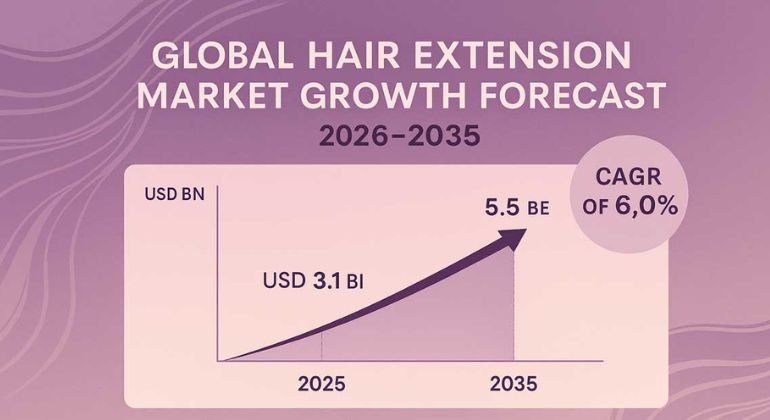
However, high demand also means saturated competition. Many sellers operate online through e-commerce platforms and social media. Customers have countless options, which forces new business owners to differentiate themselves through branding, product quality, and customer experience rather than price alone.
As a new entrepreneur, you must clearly understand where you want to position your hair extension business. Are you entering as a premium brand, a mid-range affordable option, or a budget-friendly store? Without clear positioning, your marketing message becomes inconsistent and confusing.
You should also study your target customer’s behavior. In 2026, buyers often research extensively before purchasing. They compare reviews, watch installation videos, and evaluate brand credibility on social media. This means your hair extension business must focus on trust building from the very beginning.
Understanding the competitive landscape and consumer behavior allows you to enter the hair extension business with a strategy instead of emotion.
Step 2: Learn Product Knowledge and Hair Classification
Another critical step in understanding how to start a hair business is product education. You must understand exactly what you are offering. In the hair extension business, product knowledge directly affects pricing strategy, customer trust, and brand authority. You do not need factory-level technical expertise, but you must understand the essentials clearly.
As a hair extension business owner, you should be able to confidently explain the following:
- Differences in hair quality levels
Understand how raw hair, virgin hair, and Remy hair differ in terms of durability, processing level, and price range. Customers often compare options, and your explanation must justify the price positioning of your products. - Hair texture variations
Be familiar with popular textures such as straight, body wave, deep wave, curly, and kinky patterns. You should know how each texture behaves after washing and how it fits different styling preferences. - Length measurement standards
Know how hair length is measured and how curl patterns affect perceived length. This prevents misunderstandings and reduces return rates. - Hair lifespan and maintenance requirements
Be prepared to explain how long the hair can last with proper care, whether it can be dyed or bleached, and what maintenance routine customers should follow. - Density and volume expectations
Understand how density impacts fullness, especially for wigs or bundled installations. Customers often expect thick results, so setting realistic expectations is crucial. - Installation awareness
Even if you do not install the hair yourself, you should understand common installation methods so you can recommend suitable options based on lifestyle and budget.
Strong product knowledge transforms your hair extension business from a simple reseller into a trusted brand. In 2026, customers reward businesses that educate and guide them, not just sell to them.
Step 3: Define Your Business Model and Product Strategy
Before you start selling, you must clearly define how your hair extension business will operate. Your business model determines your pricing structure, inventory planning, marketing direction, and long-term scalability.
Without a clear strategy, many new hair businesses struggle with overstock, low profit margins, or unclear brand positioning.
Choose Your Business Model
Start by identifying how you want to enter the market:
- Online retail store: Selling directly to end customers through Instagram, TikTok, Shopee, or your own website
- Salon supplier: Providing bundles, wigs, or lace products to salon owners and hairstylists
- Hybrid model: Combining retail sales with B2B salon distribution.
Each model requires different capital levels, pricing logic, and marketing strategies. Be realistic about your starting budget and operational capacity.
Build a Focused Product Strategy
One of the biggest mistakes beginners make is launching with too many SKUs. A wide catalog may look impressive, but it increases inventory risk and ties up your cash flow.
Instead, start lean and expand strategically.
The hair extension market offers a wide variety of product categories. Instead of trying to sell everything at once, carefully evaluate which options align best with your target customers, pricing strategy, and starting capital.
For a new hair extension business, you may consider selecting from popular and commercially stable product categories such as:
- Weft hair
- Lace closure & frontal
- Bulk hair
- Wig hair
- Tape hair
- Keratin tip hair (Flat tip, I tip, U tip, V tip, K tip)
- Clip-in hair
The key is not to launch with every category available, but to choose a manageable selection that allows you to maintain stock consistency and clear brand positioning.
These products have consistent market demand and are easier to sell compared to trend-driven colors or specialty textures.
Once your core products generate stable revenue and customer feedback, you can gradually introduce bold colors, unique textures, or premium collections.
Align Pricing With Your Positioning
Your pricing must match your target audience and product quality.
- If you position yourself as a premium brand, avoid competing on low price.
- If you target entry-level buyers, focus on value-driven pricing with clear quality communication.
- Always calculate cost per unit, shipping, marketing expenses, and expected profit margin before finalizing retail prices.
A clear business model combined with a focused product strategy allows you to control inventory, protect cash flow, and build sustainable growth.
In the hair extension industry, clarity beats complexity. Start focused, sell consistently, and scale strategically.
Step 4: Create a Strategic Business Plan
A structured plan reduces financial risk. Even a small hair extension business should include financial forecasting.
Your startup cost may include:
- Initial inventory or sample testing
- Website development and hosting
- Branding and logo design
- Custom packaging
- Marketing budget
- Business registration fees
- Shipping supplies
You should also calculate:
- Target monthly revenue
- Expected gross margin
- Average order value
- Break-even timeline
Many new entrepreneurs underestimate marketing costs. In a competitive hair extension business, digital advertising and influencer partnerships are often necessary.
Step 5: Find Reliable Hair Extension Suppliers
One of the most important parts of learning how to start a hair business is choosing the right supplier. Your vendor directly impacts product quality, pricing flexibility, delivery timelines, and ultimately your brand reputation.
A strong supplier relationship allows you to scale confidently, while a poor one can damage customer trust and cash flow.
How To Find A Good Hair Vendor?
Choosing the right hair vendor requires a structured evaluation process. Instead of relying on random listings or price comparisons alone, approach supplier selection strategically.
1. Conduct Research and Create a Shortlist
The global hair industry is saturated with suppliers across platforms such as Alibaba, AliExpress, independent websites, and social media. While these platforms provide access to numerous vendors, volume does not equal quality.
To narrow your options:
- Research beyond marketplace platforms
- Search directly on Google for established brands
- Review social media presence (Instagram, YouTube, TikTok…)
- Check whether the supplier operates an official website
Professional suppliers usually maintain a structured website with company history, factory information, export experience, and clear contact details. From your research, create a shortlist of 3–5 potential vendors.
2. Evaluate Brand Credibility and Industry Knowledge
Once you have shortlisted suppliers, assess their credibility more deeply.
Pay attention to:
- Website quality and professionalism
- Transparency about hair sourcing and processing
- Educational blog content or product guides
- Clear wholesale information
Suppliers who invest in educational content and detailed product explanations typically understand the industry well. This often reflects stronger internal knowledge and long-term commitment.
Avoid vendors whose websites rely only on stock images or celebrity photos without technical product details.
3. Contact the Wholesale Department Directly
Professional hair vendors usually have a dedicated wholesale or B2B contact channel.
When reaching out:
- Request detailed wholesale pricing
- Ask about minimum order quantities (MOQ)
- Confirm production and shipping timelines
- Clarify customization or private label options
Evaluate their response time, clarity, and professionalism. Communication quality at this stage often predicts future cooperation smoothness.
4. Review After-Sales Policies and Business Terms
A reliable hair vendor provides structured policies to protect both parties.
Before committing, confirm:
- Return and exchange policy
- Quality guarantee terms
- Refund procedures
- Handling of defective batches
Clear after-sales support reduces operational risk and protects your brand reputation if customer issues arise.
5. Order Samples and Test Thoroughly
Before placing bulk orders, always request samples.
Test the hair for:
- Shedding and tangling resistance
- Curl retention after heat styling
- Reaction to coloring or bleaching
- Texture consistency after washing
If the sample meets your expectations, place a small initial order to verify that bulk production matches the sample quality. Consistency between sample and bulk order is a strong indicator of a trustworthy supplier.
Selecting a good hair vendor is not about speed, it is about risk control and long-term growth. A structured evaluation process helps you avoid costly mistakes and build a stable supply chain from the beginning.

List of Wholesale Hair Suppliers
Below are several well-known wholesale hair suppliers that many entrepreneurs research when starting a hair business:
- Thanh An Hair
- UNice Hair
- Apo Hair
- AZ Hair
- Michair
Each supplier operates with different strengths. When reviewing these brands, consider:
- Do they support private labeling?
- Are their prices suitable for your target market?
- Can they handle international wholesale orders?
- Do they provide long-term partnership support?
Researching established suppliers gives you a benchmark for quality standards, pricing levels, and branding expectations in the industry.
In the hair extension business, your supplier is not just a vendor, they are a growth partner. Choosing the right one allows you to focus on marketing, branding, and customer acquisition without operational instability.
If you are currently searching for a reliable partner, you may consider exploring Thanh An Hair. With over 20 years of experience in hair export and import, and hundreds of salon owners, retailers, and distributors worldwide as long-term partners, we have built a reputation for consistent quality and professional B2B support.
Step 6: Build a Professional Brand and Legal Foundation
A sustainable hair extension business requires more than good products. You need a strong brand identity supported by a proper legal structure.
Build a Clear Brand Identity
Branding is what differentiates you from thousands of competitors in the hair industry. Your brand should clearly communicate:
- Your quality level
- Your target customer segment
- Your value proposition
- Your price positioning
Consistency across logo, tone of voice, product presentation, and social media builds recognition and trust.
Professional packaging also plays a crucial role in perceived value. Consider including:
- Branded logo and packaging design
- Care instructions
- Thank-you cards
- Social media information
Premium presentation increases perceived quality and encourages repeat purchases.
Structure Your Business Legally
A proper legal foundation protects your operations and supports long-term growth.
You should:
- Register your business name
- Apply for necessary licenses
- Open a dedicated business bank account
- Understand import/export regulations if sourcing internationally
- Consult a tax professional when needed
Legal compliance strengthens credibility, especially if you plan to work with salons or wholesale partners.
Step 5: Build Your Digital Presence and Marketing System
In 2026, your online presence is the core engine of growth.
Develop a Professional E-commerce Website
Your website acts as your digital storefront and brand headquarters. It should include:
- Mobile responsive design
- High-resolution product photos
- Detailed product descriptions
- Length charts and density guides
- Customer reviews
- Secure checkout system
To drive long-term organic traffic, integrate SEO strategically into product pages and blog content using relevant industry keywords. Strong SEO reduces dependence on paid advertising over time.
Create a Multi-Channel Marketing Strategy
Growth speed depends heavily on visibility. Your marketing strategy may include:
- Instagram and TikTok content
- Influencer collaborations
- Email marketing campaigns
- Paid social advertising
- Google Shopping ads
Focus on transformation content, customer testimonials, and educational posts. Authenticity builds trust and converts better than aggressive sales messaging.
Step 6: Strengthen Customer Retention and Scale Strategically
Once sales begin, the focus shifts from acquisition to retention and expansion.
Establish Customer Service and Retention Systems
Long-term profitability depends on repeat customers. Implement:
- Clear return policies
- Fast response times
- Order tracking updates
- Post-purchase follow-ups
- Loyalty or reward programs
Strong customer service stabilizes revenue and builds brand reputation.
Scale Based on Data
After operations stabilize, you can expand strategically by:
- Adding new textures and lengths
- Introducing private label packaging
- Expanding into wholesale distribution
- Partnering with salons
- Entering international markets
Scaling decisions should always be guided by sales performance data and customer feedback, not short-term trends.
Conclusion
Starting a hair extension business requires a clear strategy, focused product selection, strong branding, and the right long-term partnerships. When you build on a solid foundation and scale based on real data, your business can grow sustainably in a competitive market.
Choosing the right supplier from the beginning can significantly reduce risk and increase profitability. If you are looking for a reliable partner, Thanh An Hair is a Vietnam-based supplier with over 20 years of industry experience, a verified Alibaba account active for more than 13 years, and a global network of over 500 salon owners, hairstylists, and hair distributors. With consistent product quality, competitive pricing, and professional B2B support, we are well-positioned to collaborate with salons and growing hair businesses worldwide.
Contact Thanh An Hair today for expert consultation and the most competitive price list.
🌍 100% Vietnamese Human Hair – Consistent Quality
📦 Ready Stock – Fast Global Shipping
🤝 Competitive Pricing – Flexible for Every Order
👉 WhatsApp: (+84) 973522855
👉 Instagram: THANH AN HAIR WHOLESALE MANUFACTURER
👉 TikTok: Thanh An Hair
👉 Email: thanhanexport@gmail.com