
Raw Vietnamese Hair
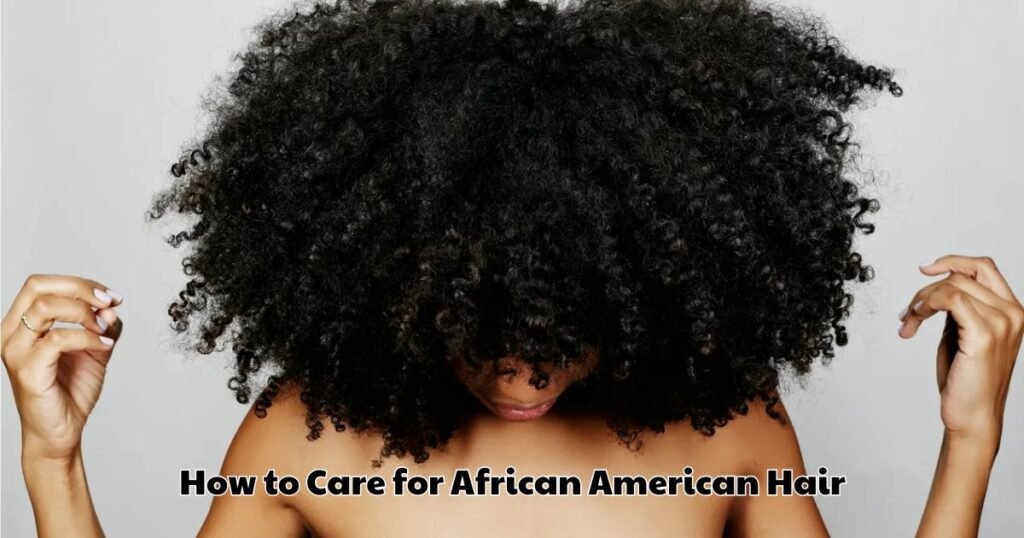
How to Care for African American Hair
Sep
Taking care of African American hair does not have to be complicated. Whether your hair is natural, relaxed, braided, curly, coily, or styled with extensions, the basics are simple: keep your scalp clean, keep your hair moisturized, avoid too much tension, and handle your hair gently.
Black hair can be more prone to dryness, tangling, and breakage because of its curly and coily shape. That is why a good African American hair care routine should focus on moisture, gentle handling, and protection.
In this guide, you will learn how to wash, moisturize, detangle, style, and protect Black hair while avoiding common mistakes that can lead to breakage and hair loss.
Why Does African American Hair Need Special Care?
Afro textured hair comes in many forms, from loose curls to tight coils. The natural curves in the hair can make it harder for the scalp’s natural oils to travel from the roots to the ends. As a result, the hair may feel dry, especially toward the ends.
Curly and coily hair can also become tangled more easily. Frequent brushing, heat styling, chemical treatments, and tight hairstyles can make these problems worse.
The goal is not to use more and more products. The goal is to reduce damage and keep your hair soft, strong, and easy to manage.
1. Wash Your Hair Regularly
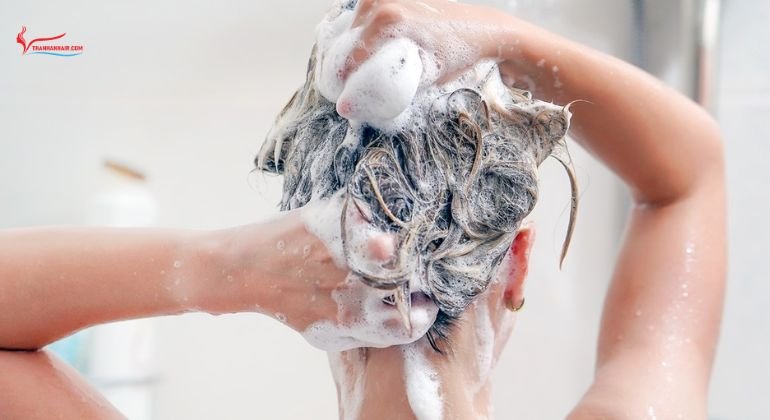
One of the most important parts of Black hair care is keeping your scalp clean. The American Academy of Dermatology recommends washing Black hair about once a week or every other week, depending on your hair and scalp.
Your washing schedule may need to change if you exercise often, use a lot of styling products, or have an oily scalp.
When washing your hair, focus shampoo mainly on your scalp and roots. You do not need to scrub the full length of your hair. Let the shampoo and water clean the lengths as you rinse.
After shampooing, always use conditioner.
2. Keep Black Hair Moisturized
Dryness is one of the most common concerns with natural Black hair. Regular conditioning can help make the hair softer and easier to manage.
Use a rinse-out conditioner every time you wash your hair. Pay extra attention to the middle of the hair and the ends because these areas are often more fragile.
You can also use a leave-in conditioner when your hair needs extra moisture. Creams and lightweight oils may help reduce dryness and friction, but they should not replace proper washing and conditioning.
How Often Should You Deep Condition?
There is no single routine that works for everyone. If your hair feels dry, rough, or difficult to detangle, a deep conditioning treatment may help.
Start with a deep conditioner once every one or two weeks and adjust based on how your hair feels.
3. Learn How to Detangle Natural Hair
Detangling can cause a lot of breakage when it is done too quickly.
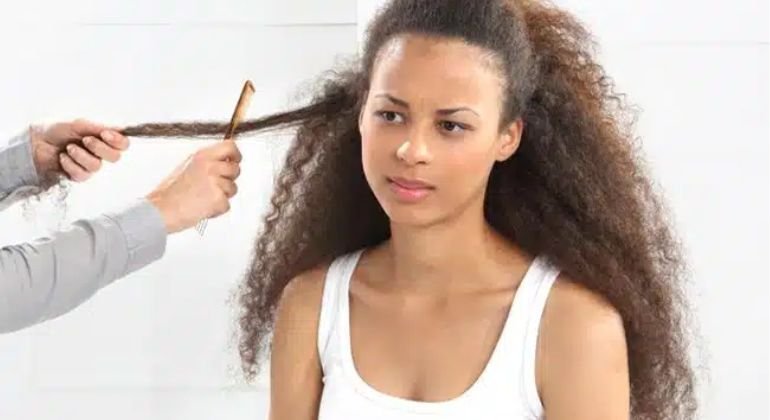
Never pull a comb through large knots. Instead, divide your hair into smaller sections and work slowly.
A simple method is:
- Apply conditioner or a detangling product.
- Divide the hair into sections.
- Use your fingers to loosen large knots.
- Start detangling from the ends.
- Slowly work toward the roots.
A wide-tooth comb can be useful for curly and coily hair. The most important thing is to use less force and take your time.
4. Protect Your Hair From Heat
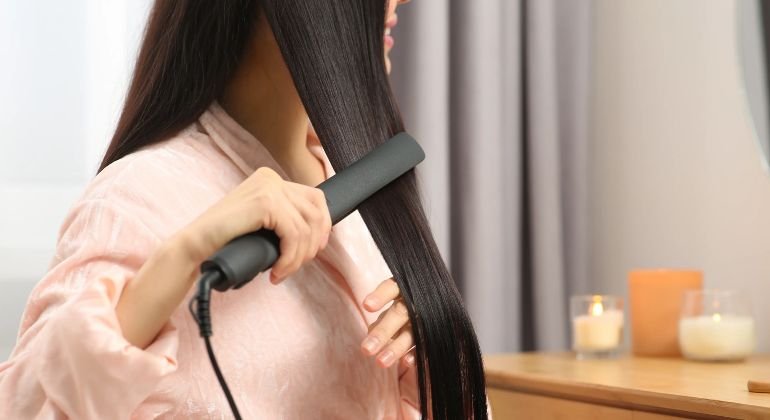
Flat irons, curling irons, hot combs, and blow dryers can cause heat damage when used too often or at very high temperatures.
When using heat, always apply a heat protectant first. Use the lowest temperature that gives you the result you want.
Try not to pass a flat iron over the same section repeatedly. If your hair already feels dry or brittle, reduce heat styling until the hair becomes stronger.
5. Choose Protective Hairstyles Carefully
Protective hairstyles can reduce daily styling, but they are not always harmless.
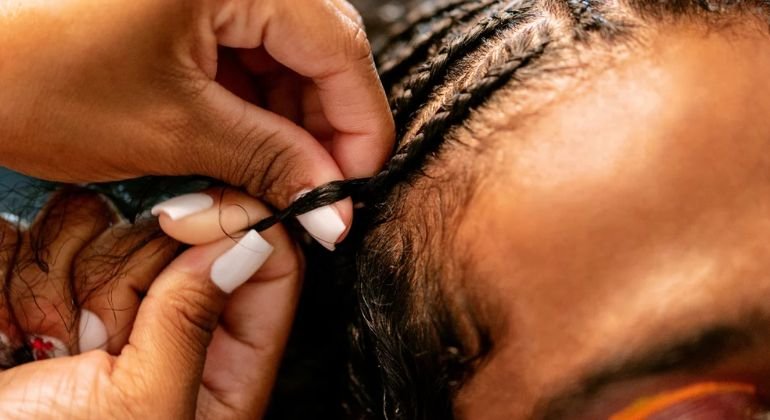
Braids, cornrows, wigs, weaves, ponytails, buns, and extensions can cause problems when they are installed too tightly.
A hairstyle should never cause pain, strong pulling, or constant scalp discomfort. Tight hairstyles can damage the hairline and may contribute to traction alopecia, a type of hair loss caused by repeated pulling.
Give your scalp and hair a break between high-tension styles. Avoid making the same areas tight every time you style your hair.
Take Extra Care of Your Edges
The hair around your forehead and temples can be especially fragile.
Avoid pulling your edges tightly into buns or ponytails. Be careful with strong brushing and repeated styling.
If your edges start becoming thinner, change your hairstyle and reduce tension as soon as possible.
6. Use Satin or Silk at Night
Your hair can rub against your pillow while you sleep. This friction can increase tangling and dryness.
A satin or silk bonnet, scarf, or pillowcase can help reduce friction.
Before bed, loosely protect long hair instead of tying it very tightly. This can also make your morning routine easier.
7. Be Careful With Relaxers and Hair Color
Chemical treatments can change the structure of the hair. Relaxers, bleach, and permanent color can make hair weaker when they are used too often.
If you use a relaxer, avoid applying it over hair that has already been relaxed. Repeatedly processing the same hair can increase breakage.
The same applies to bleaching and coloring. Try not to combine several damaging treatments too close together.
Explore Quality Human Hair Extensions
Looking for human hair extensions for wigs, weaves, or professional styling? Explore Thanh An Hair’s product collection or learn more about choosing a reliable hair supplier.
Contact Thanh An Hair to discuss hair textures, lengths, and wholesale options for your business.
Contact Thanh An Hair today for direct factory wholesale pricing, custom samples, and expert hair extension support!
- WhatsApp/Hotline: (+84) 973 522 855
- Official Website: https://thanhanhair.com/
- Instagram: @thanhanhair
- Email: thanhanexport@gmail.com