Raw Vietnamese Hair
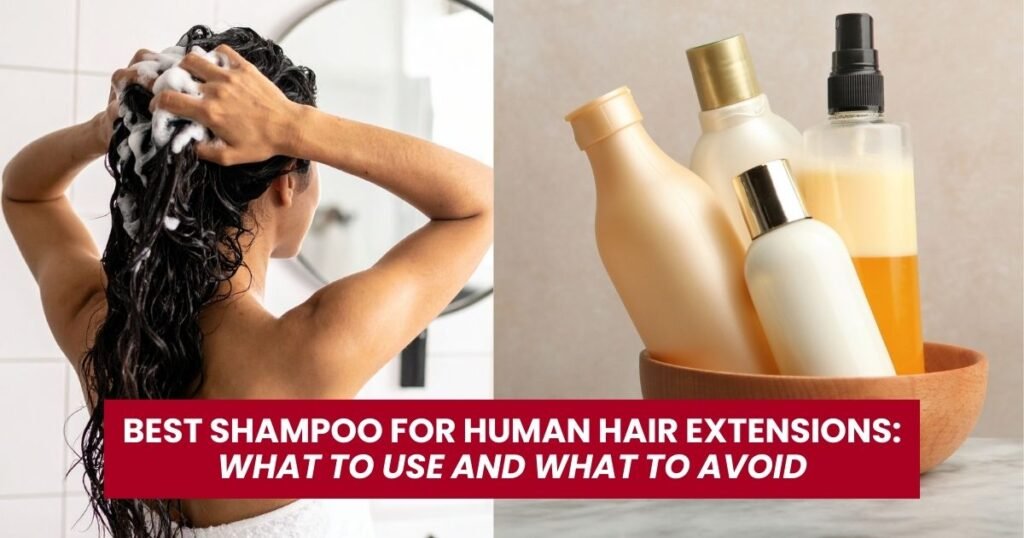
Best Shampoo for Human Hair Extensions in 2026: What to Use and What to Avoid
Jan
Choosing the best shampoo for human hair extensions is rarely a decision people make from the beginning. Most readers searching for this topic are already using hair extensions and have started to notice a problem. The hair may still appear full and secure, but it feels drier, rougher, and more difficult to manage after each wash.
This situation often occurs in people who have invested in high-quality human hair extensions, followed professional installation guidelines, and regularly used conditioner and hair oil. Despite that effort, the hair continues to decline. The frustration comes from not knowing where the mistake is, because nothing seems obviously wrong.
In most cases, the issue does not come from the hair itself. It comes from shampoo.
Why Human Hair Extensions Need a Different Shampoo
Human hair extensions are real hair, but they no longer function like hair that grows from the scalp. Once hair is removed from the donor, it loses access to the natural oils produced by the scalp. This is the most important difference many people overlook.
Regular shampoo is designed with one primary purpose: cleaning the scalp. Its formulas often focus on oil removal, deep cleansing, or balancing sebum production. These goals are useful for natural hair but problematic for hair extensions.
The mistake happens when the same shampoo routine is applied to both scalp and extensions. Over time, this strips away the limited moisture hair extensions have and leaves the cuticle unprotected. If this continues, even premium human hair extensions will gradually become dry, tangled, and dull.
What Makes the Best Shampoo for Hair Extensions
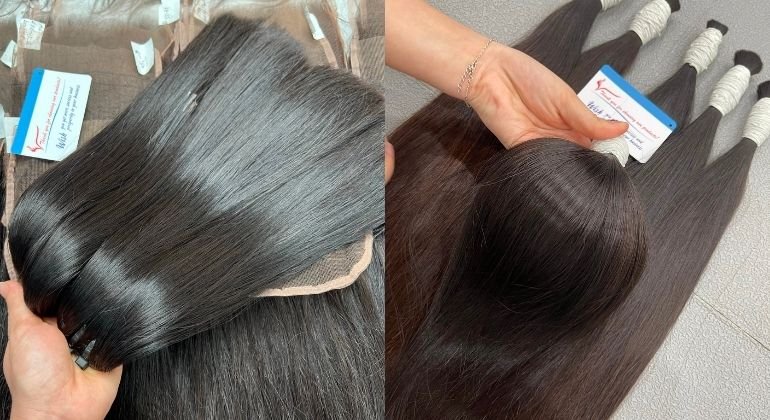
There is one core principle that defines the best shampoo for human hair extensions. A good shampoo must clean without increasing moisture loss.
This principle applies to all types of hair extensions, including tape-in, weft, keratin, and clip-in. Hair extensions do not need aggressive cleansing. They need controlled cleansing that removes surface dirt while keeping the cuticle stable.
When shampoo is too strong, it opens the cuticle repeatedly. When shampoo is too heavy, it leaves residue that builds up along the hair shaft and attachment points. The best shampoo for hair extensions sits in the middle, cleansing gently and rinsing clean.
Understanding this principle makes it easier to evaluate any shampoo, regardless of brand or price.
>>> How to Take Care of Weft Hair Extensions Properly for Long-Lasting Wear
>>> How to Care for Tape In Hair Extensions for Maximum Lifespan
Ingredients to Use and Avoid in Shampoo for Hair Extensions
Many people focus only on whether a shampoo is sulfate-free. While that matters, it is not the full picture.
The real problem often lies in how ingredients interact with hair that cannot replenish its own moisture. Harsh surfactants, drying alcohols, and heavy silicones may deliver immediate smoothness or cleanliness, but they slowly degrade hair extensions over time.
When these ingredients are used repeatedly, the hair becomes stiff and less flexible. Once flexibility is lost, tangling and breakage increase, and no amount of conditioner can fully reverse the damage.
Shampoo for hair extensions should contain lightweight moisturizing ingredients that hydrate without coating the hair. Ingredients that rinse easily are especially important, as buildup near bonds or wefts weakens both appearance and durability.
Best Shampoo for Human Hair Extensions: Real Product Options
Many professional guides recommend specific shampoo brands because they meet the core requirements for extension care. Below are real, widely used products that align with the needs of human hair extensions.
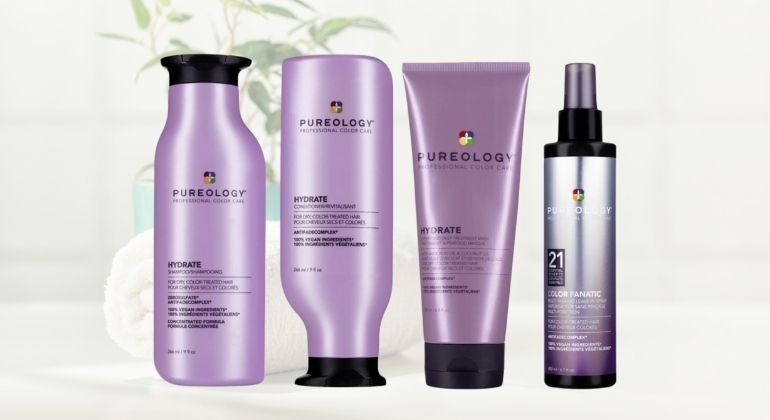
Pureology Hydrate Shampoo
Pureology Hydrate Shampoo is a sulfate-free formula designed for moisture retention and color protection. It is often recommended as the best shampoo for human hair extensions because it cleans gently while maintaining softness. This shampoo works especially well for extensions that are colored or lightly processed.
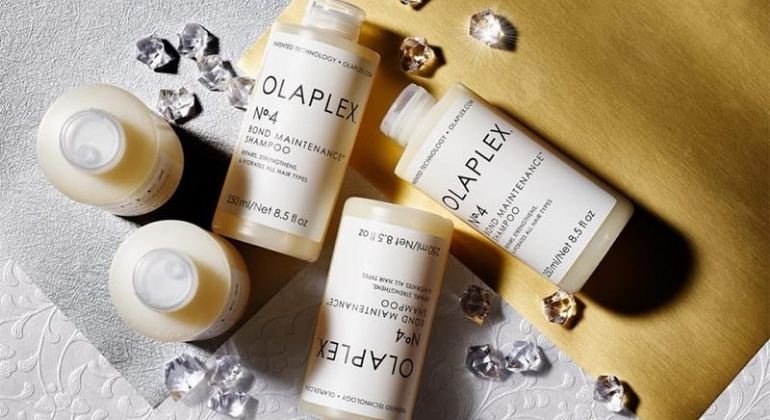
Olaplex No. 4 Bond Maintenance Shampoo
Olaplex No. 4 is known for its bond-protecting technology. While originally developed for damaged natural hair, it is also suitable as a shampoo for hair extensions when used correctly. It helps reduce breakage and maintain strength, making it a popular choice for chemically treated human hair extensions.
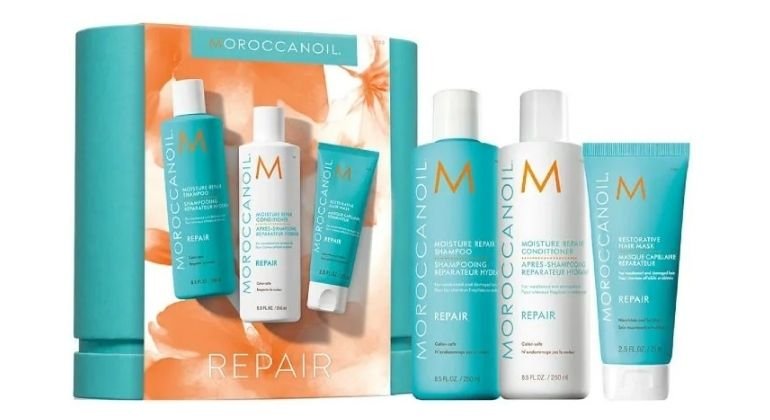
Moroccanoil Moisture Repair Shampoo
This shampoo contains argan oil and protein-based ingredients that help restore softness and elasticity to the hair. It is commonly used on dry or processed hair extensions that need extra nourishment. Because it is richer than some alternatives, it should be used in moderation.
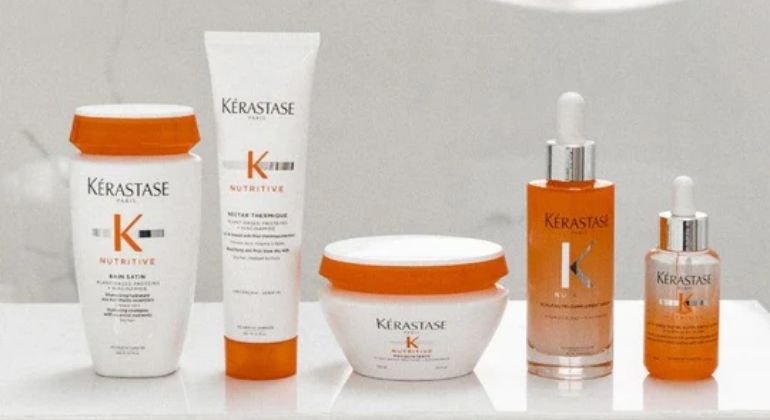
Kerastase Nutritive Bain Satin Shampoo
Kérastase Nutritive Bain Satin is a salon-grade shampoo that focuses on smoothness and hydration. It is suitable for human hair extensions that feel dry or rough, especially longer lengths that require consistent moisture support.
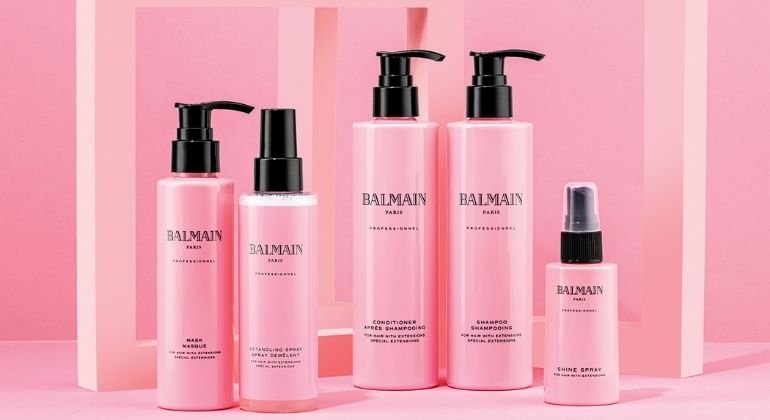
Balmain Hair Extension Shampoo
Balmain Hair Extension Shampoo is specifically formulated for hair extensions. It cleans gently and supports long-term softness without compromising attachment points. This product is often chosen by salons that specialize in extension services.
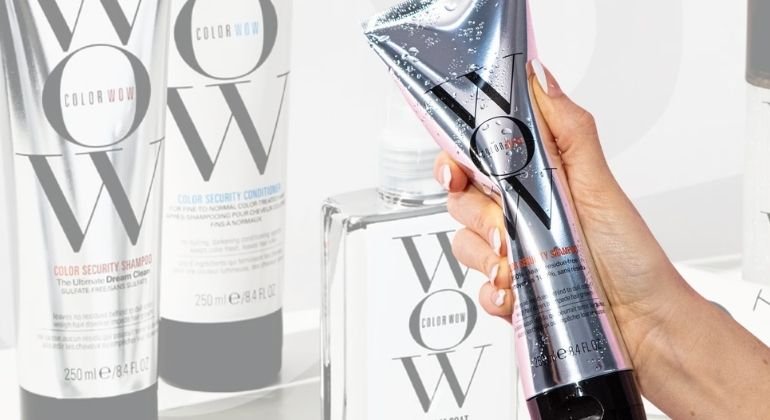
Color Wow Color Security Shampoo
Color Wow Color Security Shampoo is designed to rinse completely clean without leaving residue. This makes it an excellent shampoo for hair extensions, particularly tape-in or bonded methods, where buildup can weaken connections.
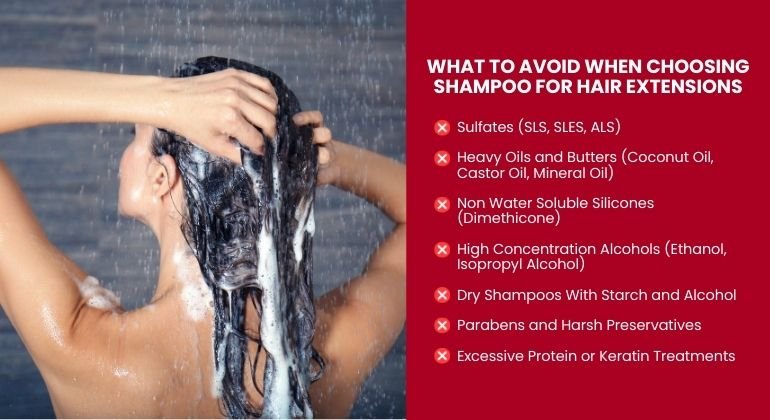
What to Avoid When Choosing Shampoo for Hair Extensions
Not all shampoos labeled as gentle or nourishing are safe for hair extensions. In fact, certain ingredients can slowly damage human hair extensions without causing immediate, visible issues. Over time, repeated exposure to these substances leads to dryness, tangling, bond failure, and premature shedding.
Understanding what to avoid is just as important as knowing what to use. The following ingredient groups are among the most common causes of long-term extension damage.
Sulfates (SLS, SLES, ALS)
Sulfates are aggressive surfactants designed to remove oil and buildup quickly. While effective for cleansing oily scalps, they are extremely damaging to hair extensions. Human hair extensions do not receive natural oils from the scalp, so sulfates strip away the limited moisture that keeps the hair flexible and soft.
More importantly, sulfates can chemically weaken medical-grade adhesives used in tape in extensions and soften keratin bonds over time. This leads to premature shedding, slipping, and reduced wear time even when the extensions were installed correctly.
Heavy Oils and Butters (Coconut Oil, Castor Oil, Mineral Oil)
Heavy oils and butters are often marketed as deeply nourishing, but they are unsuitable for hair extensions. These ingredients sit on the surface of the hair rather than penetrating the hair shaft, creating a coating that attracts dust and environmental pollutants.
On tape-in and beaded extensions, heavy oils cause a slippage effect. This reduces grip at the attachment points and increases the risk of extensions sliding or loosening. Instead of hydrating the hair, these oils interfere with bond stability and long-term wear.
Non Water Soluble Silicones (Dimethicone)
Many shampoos use silicones to create instant shine and smoothness. Non-water-soluble silicones such as dimethicone form a plastic-like layer around the hair shaft. While this may look appealing at first, it blocks moisture from entering the hair over time.
For human hair extensions, this buildup leads to dullness, stiffness, and a straw-like texture. Once layered silicone accumulates, the hair becomes difficult to style and resistant to conditioning treatments, accelerating overall decline in quality.
High Concentration Alcohols (Ethanol, Isopropyl Alcohol)
High-concentration alcohols are commonly found in clarifying shampoos and styling products. Alcohol acts as a solvent that evaporates moisture rapidly. On hair extensions, this causes brittleness and reduces elasticity.
Alcohol can also affect extension bonds. In tape-in and keratin systems, repeated exposure makes adhesives tacky, unstable, or prone to breakdown. Over time, this shortens wear cycles and increases maintenance issues.
Dry Shampoos With Starch and Alcohol
Dry shampoo is often used to extend the time between washes, but frequent use on hair extensions can be problematic. Many dry shampoos contain starches and alcohol that build up at the roots.
This powder accumulation creates friction against extension bonds and encourages matting, especially at the nape of the neck. The resulting nesting effect is difficult to detangle and often leads to breakage or forced removal of extensions.
Parabens and Harsh Preservatives
While parabens are often discussed in the context of health concerns, they also affect hair structure. On processed human hair extensions, harsh preservatives can strip the protective cuticle layer, making the hair more porous.
Increased porosity causes faster moisture loss, color fading, and uneven texture. Over time, extensions become harder to manage and lose their original appearance much sooner than expected.
Excessive Protein or Keratin Treatments
Protein is essential for hair strength, but too much protein creates a condition known as protein overload. Hair extensions lack the natural repair cycle of growing hair, so excessive protein causes stiffness rather than reinforcement.
Protein-heavy shampoos make hair extensions feel rigid and crunchy. Under heat styling or brushing tension, this rigidity leads to snapping and breakage. For human hair extensions, protein should be used selectively, not continuously.
How to Wash Hair Extensions Correctly and How Often It Really Matters
Even the best shampoo for human hair extensions cannot compensate for incorrect washing habits. Product quality matters, but technique and frequency determine how long hair extensions remain soft, manageable, and intact.
Hair extensions do not produce natural oils the way the scalp does. As a result, they do not require frequent cleansing. Washing too often increases friction, strips moisture from the cuticle, and accelerates wear on processed human hair.
For most people, washing hair extensions two to three times per week is sufficient. This frequency keeps the hair clean without disrupting moisture balance or flexibility. Overwashing, on the other hand, is one of the fastest ways to shorten the lifespan of hair extensions, regardless of product choice.
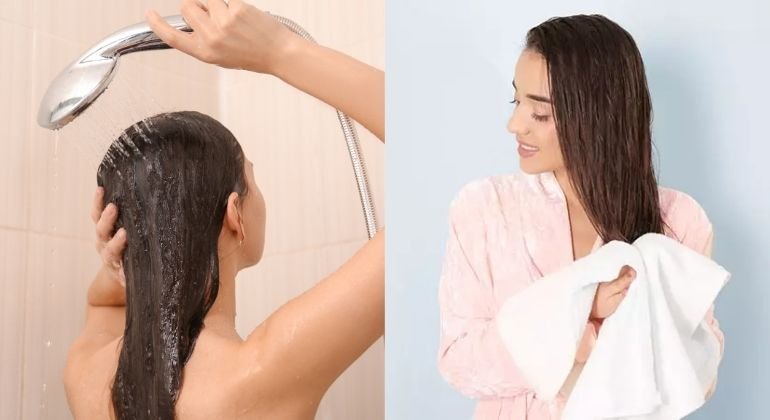
Proper washing begins before shampoo is applied. Hair should be gently detangled while dry to reduce tension once it becomes wet. When shampooing, the focus should remain on the scalp and attachment areas. The foam created during cleansing is enough to clean the mid-lengths and ends as it flows downward. Direct scrubbing of the hair lengths causes unnecessary cuticle damage and tangling.
Thorough rinsing is essential. Any shampoo residue left behind creates stiffness, dullness, and long-term buildup. Lukewarm water is ideal, as hot water opens the cuticle excessively and contributes to moisture loss over time.
After washing, hair extensions should be gently squeezed with a soft towel rather than rubbed. Drying with low heat or air drying whenever possible helps preserve hair integrity and attachment strength.
Several common mistakes reduce extension longevity even when using the right shampoo. Changing shampoos too frequently prevents the hair from stabilizing within a consistent care routine. Using excessive amounts of shampoo often leads to residue buildup rather than improved cleansing. Repeated exposure to hot water and rough handling may not cause immediate damage, but it gradually weakens the hair structure.
Maintaining the right balance between washing frequency, gentle technique, and product consistency extends the lifespan of hair extensions far more effectively than switching shampoos repeatedly.
>>> Read more: Hair Extension Care and Maintenance: Complete Guide to Long-Lasting Extensions
Final Thoughts on the Best Shampoo for Human Hair Extensions
Choosing the best shampoo for human hair extensions is an important step, but product selection alone is never the full solution. Long-lasting hair extensions depend on a combination of correct care principles, realistic routines, and a clear understanding of how processed human hair behaves over time.
At Thanh An Hair, we have seen this firsthand. With more than 20 years of experience in the hair extension industry, we have worked closely with over 500 salon owners, hairstylists, and hair suppliers worldwide. Our role goes beyond supplying hair. We support our partners in understanding maintenance, product compatibility, and long-term care strategies that help extensions retain their quality throughout their lifespan.
Our verified Alibaba account, active for over 13 years, reflects stability, transparency, and trust built through consistent quality rather than short-term trends. This experience allows us to advise clients not only on hair sourcing but also on realistic aftercare routines, including shampoo selection, washing frequency, and product compatibility with different extension methods.
If you are looking for expert consultation, a dependable supply chain, and flexible pricing that adapts to different order sizes, Thanh An Hair is ready to support you from start to finish.
🌍 100 percent Vietnamese human hair with consistent quality
📦 Ready stock with fast global shipping
🤝 Competitive pricing is flexible for every order
👉 WhatsApp: (+84) 973 522 855
👉 Instagram: THANH AN HAIR WHOLESALE MANUFACTURER
👉 TikTok: Thanh An Hair
👉 Email: thanhanexport@gmail.com