Raw Vietnamese Hair
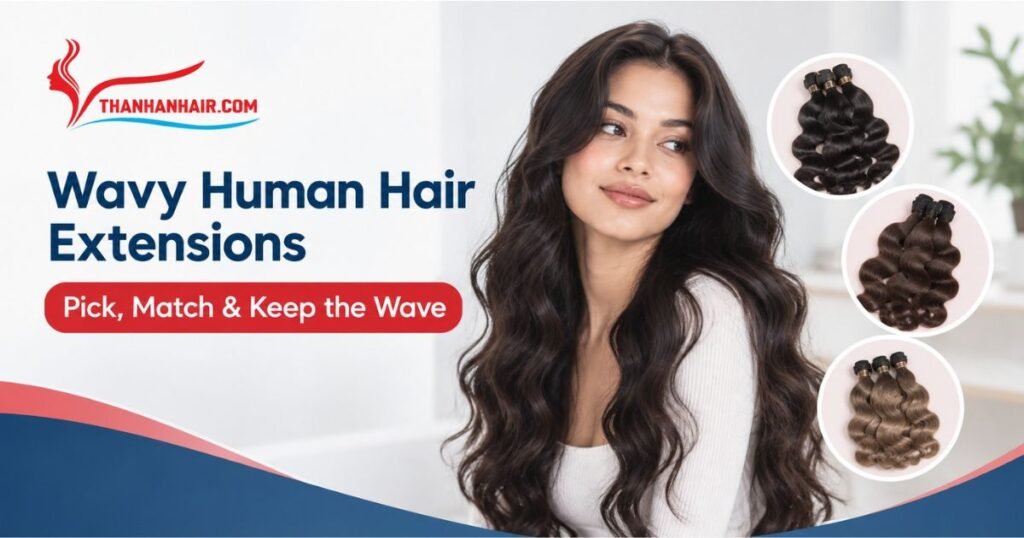
Wavy Human Hair Extensions: Pick, Match & Keep the Wave
Oct
Wavy human hair extensions are real human hair set into an S-shaped pattern and sold as body wave, loose wave, deep wave or natural wave. The right set matches your client’s air-dried texture, keeps its wave after washing, and starts as cuticle-aligned hair. This guide shows you how to choose, test, install and care for them.
We write from the factory floor. Thanh An Hair has produced raw Vietnamese hair for about 20 years, and most questions in this guide come from salon owners and resellers who order wavy textures from us. You will find a wave comparison table, a sample test you can run in your own salon, a care routine your clients can follow, and a checklist for buying wavy bundles in bulk.
What Are Wavy Human Hair Extensions?
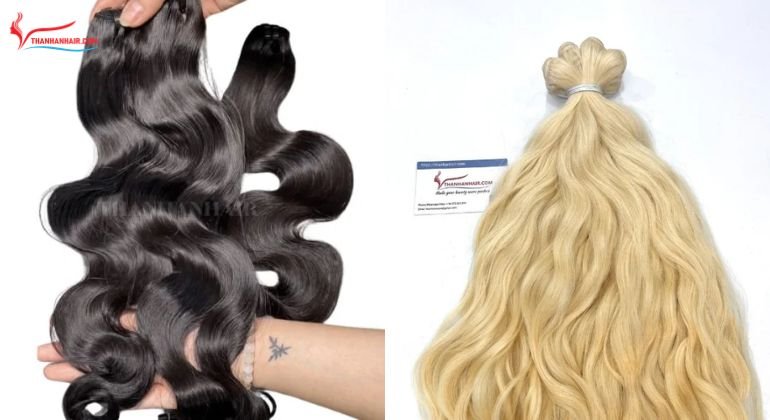
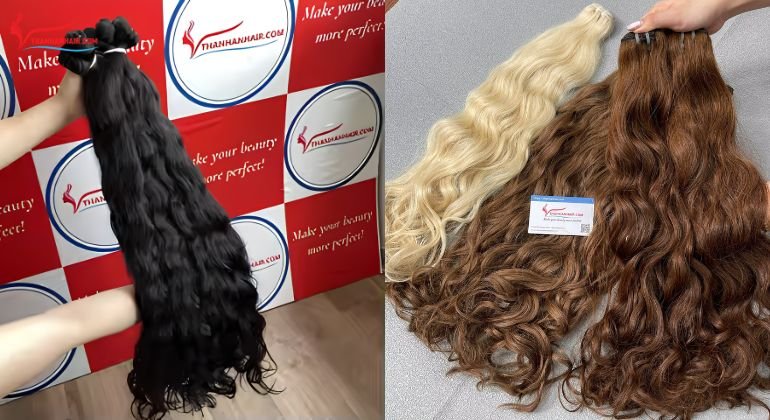
Wavy human hair extensions are 100% human hair with a pattern that sits between straight and curly. Most wavy hair on the market starts as straight raw hair that a factory shapes with steam and heat. A smaller share grows wavy on the donor’s head and ships as raw natural wave.
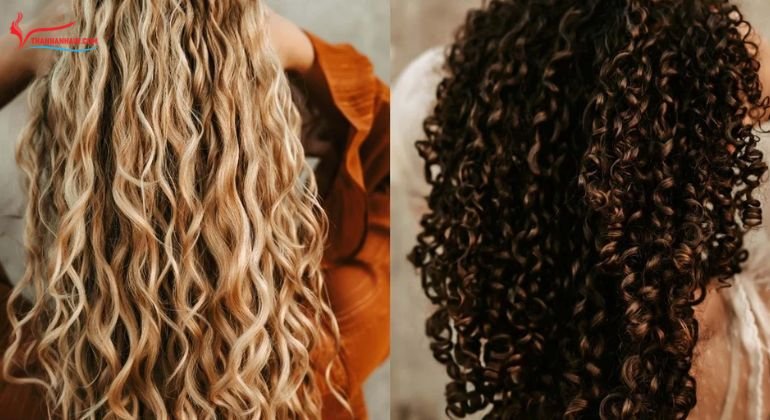
Wave is something you can measure. A 2007 study in Human Biology examined hair from 1,442 people in 18 countries and sorted it into eight shape groups using curve diameter, curl index and the number of waves (De La Mettrie et al.). In the salon you will use the simpler 2A, 2B and 2C scale, but the lesson carries over: match extensions to what you see and measure on your client, not to a label on the bag.
Steam Wave vs Chemical Wave: How Wavy Hair Gets Its Pattern
The process behind the wave decides how long it holds and whether you can color the hair later. Factories use three routes:
- Natural wave. The hair grew wavy. It is rare, the pattern varies between bundles, and it costs the most.
- Steam-set wave. Technicians wrap straight raw hair on rods and treat it with steam and controlled heat. The hair takes a new shape and keeps its cuticle. Thanh An Hair makes its Steam Body Wave, Steam Loose Wave and Steam Deep Wave this way.
- Chemical (perm) wave. A solution breaks and resets the bonds inside the hair. It sets fast but roughens the cuticle, and low-grade batches get a silicone coat to hide the damage until the first few washes.
The Wash Test: Check a Wavy Sample Before You Order
Silicone makes damaged hair look glossy in the bag. Water shows you the truth.
- Take one weft or a small bundle from the sample.
- Wash it in lukewarm water with a plain clarifying shampoo. Skip conditioner.
- Let it air-dry without touching it.
A well-set wave springs back with an even pattern and soft feel. Matte, straw-like or knotted hair points to chemical processing under a coating. Loose hairs piling up at the weft line point to weak stitching.
Choosing a Method for Wavy Hair Extensions
Wave pattern and install method work together. A wave hides attachment points better than straight hair does, which gives you more freedom than with sleek textures.
- Wefts (sew-in or beaded rows). Wavy weft hair gives the most volume per install, and the wave camouflages the track. Body wave and deep wave wefts cover the widest client range.
- Tape-in and I-tip. Good for natural wave and body wave on fine or medium hair, where you want flat, light attachments.
- Clip-in and halo. No commitment, so clients can try a wave before a permanent install. See our clip-in hair and halo hair ranges.
- Ponytails and closures. Deep wave works well for full ponytail looks and for closures and frontals that need to match the wefts beside them.
How to Care for Wavy Human Hair Extensions
Extensions get no oil from the scalp, so wavy hair dries out faster than your client’s own hair. Dry hair frizzes, and frizz blurs the wave. This routine follows the American Academy of Dermatology’s advice for dry or curly hair: condition the full length, detangle with a wide-tooth comb, and keep heat low (AAD hair care tips).
- Detangle before you wet it. Work through the hair with a wide-tooth comb or your fingers, starting at the ends and moving up toward the weft or bond.
- Wash with a gentle shampoo. Use a sulfate-free shampoo and squeeze it down the length. Do not rub the hair or pile it on top of the head.
- Condition the full length. Apply conditioner from mid-length to ends, leave it on for three to five minutes, and comb through while it is still in the hair.
- Scrunch instead of towel-rubbing. Press the water out with a microfiber towel or a cotton T-shirt, then scrunch upward to set the wave.
- Air-dry or diffuse on low. Add a light leave-in or curl cream and let the hair air-dry. If you use a dryer, pick low heat, a diffuser and a heat protectant.
- Protect the wave at night. Sleep with the hair in a loose braid or a low, loose bundle on a silk or satin pillowcase.
How to Restore Waves in Hair Extensions After Straightening
A steam-set wave relaxes under a flat iron and returns once the hair gets wet. Soak the section, work in conditioner, scrunch it upward and let it air-dry. If the wave stays flat after two or three washes, the hair has heat damage or a weak original set, and a trim or replacement will serve your client better than more styling.
Wearing Wavy Extensions Without Damaging Natural Hair
Any extension that pulls on the scalp can cause traction alopecia, hair loss from constant tension. StatPearls lists weaves and extensions among its common causes and notes that people can prevent it with the right habits (StatPearls: Traction Alopecia).
The American Academy of Dermatology sets two clear rules. If the client feels pain or gets a headache after the install, the style is too tight. And clients should wear extension styles for two or three months at most, then give their own hair a break (AAD guidance on weaves and extensions). Size each weft or bond to the strength of the client’s hair and book move-ups on time so tension never builds in one spot.
Buying Wavy Hair Bundles Wholesale: A Supplier Checklist
For resellers and salons that buy in volume, a wave that drops after a month turns into refunds. Run every new supplier through these checks:
- Ask how the wave is set. Steam or chemical? Get the answer in writing.
- Ask about donors and cuticles. One-donor bulk hair with aligned cuticles keeps color and wave even through the whole bundle.
- Order a sample and run the wash test. Judge the hair after water, not in the bag.
- Check batch consistency. Lay three bundles from one order side by side. The crests should line up in size and spacing.
- Confirm length and weight. Ask whether lengths are stretched or hanging, and what each bundle weighs.
- Ask about color. Raw steam-set hair lifts like natural hair. Coated hair often does not.
Vietnamese wavy hair is popular with salons for its thick strands, and many Vietnamese factories, ours included, sell single-donor raw hair. Reputation still needs proof, so test every new batch the same way.
Frequently Asked Questions
Can you straighten wavy human hair extensions?
Yes. Use a heat protectant and keep the flat iron on low to medium heat, the same setting dermatologists recommend for natural hair. A steam-set wave relaxes under the iron and comes back after the next wash. Repeated high heat weakens the fiber, so save straightening for events rather than daily wear.
Which wave pattern looks most natural on most clients?
Body wave suits the widest range of clients because its wide S-curve blends with straight, blown-out and 2A to 2B hair. Pick loose wave or deep wave when the client’s own hair shows defined waves or curls, and compare patterns on dry hair, never wet.
How long do wavy human hair extensions last?
Hair grade, install method and home care decide lifespan more than the wave does. Cuticle-aligned raw hair with a steam-set wave can move through several reinstalls when the client conditions it and sleeps on silk. Hair with a chemical wave tends to lose its pattern and turn dry sooner.
Can you color or bleach wavy hair extensions?
Raw, cuticle-aligned wavy hair takes color the way natural hair does. Lift in stages with a low-volume developer and a bond builder, then deep condition. Strand-test first, because pre-processed or silicone-coated hair can grab color in patches or lose its wave.
Why do wavy extensions turn frizzy?
Frizz comes from dryness and friction. Extensions get no oil from the scalp, so they need conditioner on the full length, a leave-in, and a silk or satin surface at night. Rough towel-drying and brushing the hair while dry also break the wave into frizz.
What is the difference between steam wave and natural wave hair?
Natural wave hair grows wavy on the donor, so the pattern changes from strand to strand and bundle to bundle. Steam wave hair starts straight and takes its pattern from steam and heat at the factory, which gives an even, repeatable wave across a full order.
Getting the Wave Right
Match the pattern on dry hair, ask how the wave was set, test a sample in water, and pick a method that hides the attachment. Then hand your client a moisture-first routine. Those steps separate a wavy install that holds its shape from one that frizzes out before the first move-up.
Want to see the difference before a bulk order? Order a Thanh An Hair sample pack in Steam Body Wave, Loose Wave or Deep Wave, run the wash test yourself, and talk to our team about lengths, colors and lead times.
- WhatsApp/Hotline: (+84) 973 522 855
- Official Website: https://thanhanhair.com/
- Instagram: @thanhanhair
- Email: thanhanexport@gmail.com