
Raw Vietnamese Hair
How to Get Tousled Hair: The 2026 Guide to Effortless Messy Waves
Jul
To get tousled hair, rough-dry your hair until it is almost dry, mist texturizing or sea salt spray through the mid lengths and ends, then bend loose sections with a curling iron or overnight braids. Let each section cool, break it apart with your fingers, and finish with a light hold. Tousled hair is deliberate texture, not neglect.
What does tousled hair actually mean?
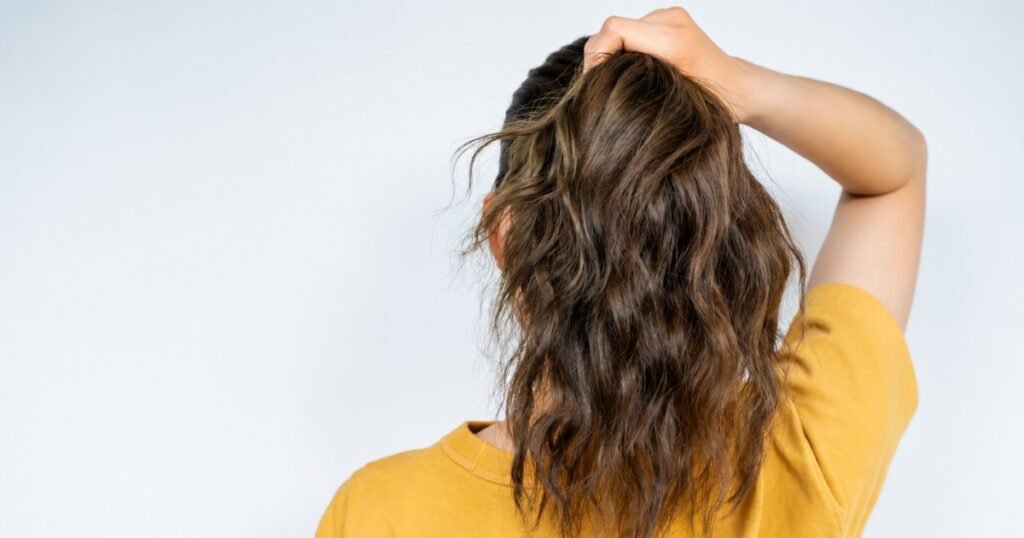
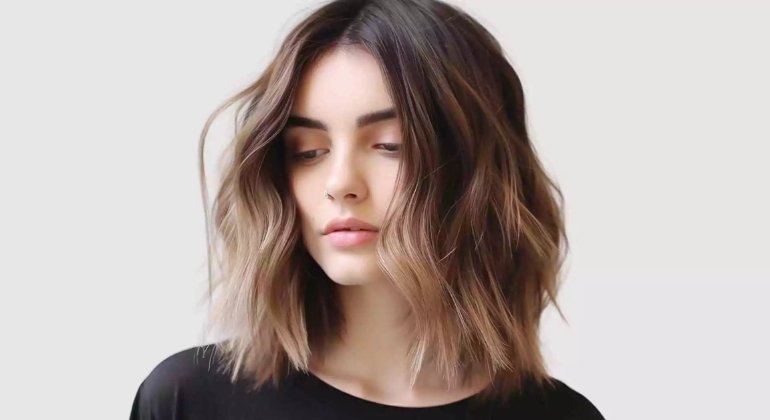
Tousled hair is piecey, lived-in texture: loose bends, visible separation between sections, and volume at the root, without the polish of a uniform blow-dry. It reads as effortless, though the effort sits in the technique rather than the mirror time.
There is real commercial weight behind the look. The global hair extension market was worth roughly USD 2.87 billion in 2025 and is projected to reach USD 5.54 billion by 2034, with clip-in styles the leading segment and North America the largest region, according to Fortune Business Insights. Undone, textured styles drive much of that demand because they photograph well and forgive second-day hair.
The difference between messy and tousled is control. Messy looks accidental. Tousled looks chosen. What separates them is where you place the volume, how you break up the ends, and whether the texture survives past midday.
How to get tousled hair with a curling iron
The fastest route to tousled hair is a curling iron used loosely: rough-dry, protect, bend alternating sections, cool, and separate. The whole set takes about ten to fifteen minutes on mid-length hair.
- Start on dry hair with heat protectant. Curling works on dry hair. Blow-dry or air-dry until fully dry, then mist a heat protectant from the mid lengths to the ends. Board-certified dermatologists advise keeping irons on a low or medium setting and styling no more than every other day to limit damage.
- Set a sensible iron temperature. A curling iron sets a wave by heating the hair enough to break its hydrogen bonds so the strand can hold a new shape. Most irons run between about 300 and 450 degrees F (150 to 230 degrees C). Staying at or below roughly 390 degrees F (200 degrees C) protects the cuticle while still setting texture, which matters most on fine or color-treated hair.
- Take uneven sections. Tousled texture depends on irregularity. Grab sections of different widths rather than uniform ribbons, and skip the very front pieces for now. Uniform curls read as done; mixed sections read as lived-in.
- Alternate the curl direction. Wrap each section around the barrel for three to five seconds, alternating toward and away from your face. Leave the last inch or two of the ends out of the iron. Bent ends, not curled ends, keep the look undone.
- Let every section cool before you touch it. This is the step most people skip. As each curl cools in its bent shape, new hydrogen bonds form and set the wave. Cup the curl in your palm or pin it while it cools, then release. Texture that cools in shape lasts hours longer than texture you brush out while warm.
- Break it up with your fingers. Once everything is cool, rake your fingers through from root to tip to loosen the curls into waves. Tip your head forward and shake gently at the roots for volume. Skip the brush, which erases the separation you just built.
- Finish light. A flexible-hold spray or a second pass of texturizing spray locks the shape without making it crisp. Dermatologists suggest going easy on long-hold products, which can stress the hair over time.
How to get tousled hair without heat
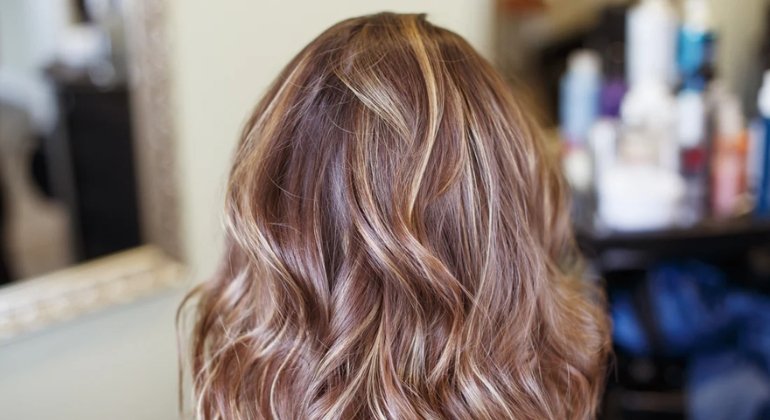
You can get tousled hair with zero heat by setting damp hair into loose braids, twists, or a bun and letting it dry. No-heat methods are gentler on the hair and work overnight while you sleep.
- Loose braids. On towel-dried, product-worked hair, plait two to four loose braids. Tighter or more numerous braids give more texture. Sleep on them or leave four to six hours, then unravel and separate.
- Robe-tie or headband waves. Wrap damp sections around a soft hair tie, a robe belt, or a headband and secure. The larger the wrap, the looser the wave.
- The overnight bun. Twist damp hair into one or two high buns. This gives bend and root volume with the least effort, though the wave lands softer.
- Twist and pin. Two-strand twists pinned to the head dry into piecey, separated texture that suits shorter lengths.
The mechanism is the same water-set principle a curling iron uses, minus the heat: damp hair dries in its bent shape as hydrogen bonds reform, holding the wave until water or humidity resets it (University of Virginia, Department of Chemistry). Work a little mousse or sea salt spray through the hair before you braid to make the set last.
The best tousled style for your hair type
Tousled hair works on every length and texture, but the technique changes. Fine hair needs volume and grip. Thick hair needs looser, larger bends. Short cuts need piecey separation over defined waves.
| Hair type or length | Best tousled style | Technique that works | Product to reach for | Extension tip |
|---|---|---|---|---|
| Fine or flat hair | Rooty, textured lob | Curl small sections, backcomb lightly at the crown | Dry texture spray or dry shampoo at the roots | Fine wefts or a halo add body without weighing hair down |
| Thick or coarse hair | Loose, undone waves | Larger sections, bigger barrel, alternate direction | Sea salt spray plus a lightweight oil on the ends | Match density with double-drawn wefts |
| Short bob or pixie | Piecey bedhead | Twist and pin, or bend with a flat iron | Texture paste or matte clay | Clip-in fringe or a top piece for length |
| Long hair | Effortless beachy waves | Overnight braids or loose iron waves | Sea salt spray through the mid lengths | Longer clip-ins hold the wave and add movement |
| Curly or wavy hair | Enhanced natural texture | Scrunch damp, diffuse, then pick out sections | Curl cream plus a light salt mist | Curly-textured wefts blend with the natural pattern |
Which products create the messy, textured look?
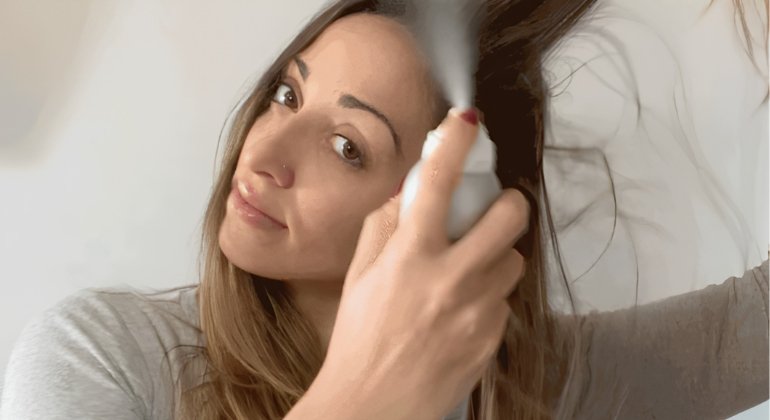
Texturizing spray, sea salt spray, and dry shampoo are the core tools for tousled hair. They roughen the surface of the hair and add grip so sections separate and hold instead of slipping back into a smooth shape.
- Sea salt spray deposits salt that raises friction between strands, giving that matte, gritty, beach texture. Best on the mid lengths and ends, and drying if overused at the roots.
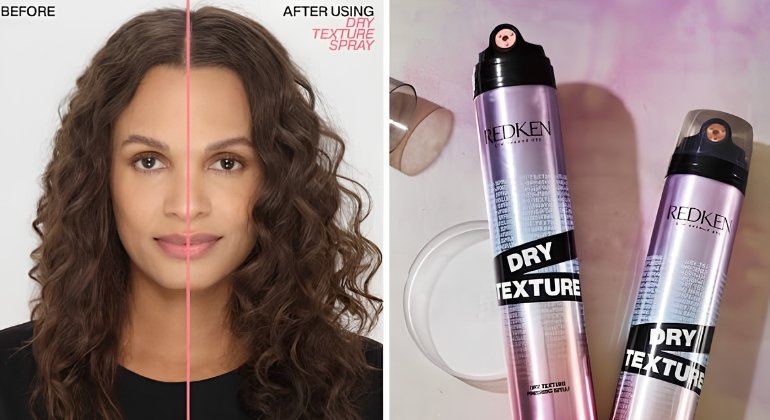
- Dry texture spray adds volume and separation without the crunch of salt. Good for fine hair and second-day styling.
- Dry shampoo is the underrated one. Sprayed at the roots, it soaks up oil and adds the grip that holds volume, which is why yesterday’s hair often tousles better than a fresh wash.
- Mousse worked through damp hair before a no-heat set gives structure and hold from the inside.
- Texture paste or clay suits short cuts, defining piecey separation with a matte finish.
One rule ties them together: less product, applied in layers, beats one heavy dose. Reduce long-hold products where you can, since they can stress the hair over time (American Academy of Dermatology).
Why some hair holds a tousled texture, and some falls flat
Whether a tousled style lasts comes down to the condition of the hair’s cuticle. Hair with an intact, aligned cuticle takes a wave cleanly and resists the humidity that drops it. Over-processed hair grabs a curl fast and loses it just as fast.
Every strand is wrapped in a cuticle, a layer of overlapping scales. Peer-reviewed work in the Journal of Cosmetic Dermatology shows those scales stay closed and tightly interlocked when the hair is dry, and lift when it gets wet. Virgin, undamaged hair shows no cuticle lifting and repels water, while heat-damaged and chemically processed hair shows severe lifting, turns water-attracting, and develops a rough surface that raises friction between strands (Journal of Cosmetic Dermatology, via PMC). A smooth, closed cuticle is what lets a heat-set or overnight wave hold its shape and reflect light instead of frizzing.
This is where raw hair earns its place. Thanh An Hair produces cuticle-aligned, single-donor raw Vietnamese hair, which means the scales all run in the same direction and the cuticle is intact rather than stripped by acid baths and rebuilt with silicone. That intact, aligned cuticle behaves the way the research describes: it stays closed and water-repellent when dry, so a tousled wave sets predictably and survives a humid afternoon. Cheaper hair sold as “Remy” but acid-processed and silicone-coated looks glossy in the pack, yet the coating washes out, the lifted cuticle grabs then drops the wave, and the texture goes frizzy.
A cold-water rinse does not “seal” a tousled style in place. What holds a heat-set wave is the hydrogen bonds reforming as each section cools in its bent shape (University of Virginia). Letting your curls cool fully before you touch them does far more for lasting texture than any cold rinse. Humidity is the real enemy: water in the air breaks those bonds and reforms them in the hair’s natural position, which is why waves drop and frizz on a damp day.
For anyone wearing extensions, the material lesson is direct. A tousled look only lasts if the hair can hold a bend and resist frizz, and that is a function of cuticle quality. It is why the clip-in extensions, halo pieces, and wefts a stylist chooses matter as much as the styling itself. For a hands-on walkthrough, our guide to curling halo hair extensions shows the same cooling principle in action.
How to make tousled waves last all day
Tousled waves last longest when you set them on dry, product-prepped hair, let every section cool in shape, and protect the style from humidity and friction.
- Start with grip, not slip. A little dry shampoo or texture spray before you style gives sections something to hold.
- Cool completely. The set happens on cooling, so never brush or tie back warm curls.
- Guard against humidity. A flexible-hold or anti-humidity spray slows the water re-entry that drops waves.
- Refresh, do not rewash. A mist of dry texture spray and a quick finger-tousle revives day-two hair better than starting over.
- Protect overnight. Sleep on silk or loosely gather the hair up top, and if you wear clip-ins, take them out before bed to avoid the knots and friction that ruin both your hair and the extensions.
For a fuller wind-down, our nighttime hair routine covers how to protect texture while you sleep.
Frequently asked questions about tousled hair
How do you get tousled hair overnight?
Set damp, product-worked hair into loose braids, twists, or one or two buns before bed, then unravel in the morning and separate with your fingers. The hair dries in its bent shape and holds the wave with no heat. Larger sections give looser waves; more braids give more texture.
What is the difference between beachy waves and tousled hair?
Beachy waves are a specific pattern of soft, uniform S-bends that mimic surf-dried hair. Tousled hair is broader: it includes beachy waves but also messy buns, piecey bedhead, and undone texture. Every tousled style shares visible separation and root volume rather than a polished, uniform finish.
Does tousled hair work on a short bob?
Yes. Short hair often tousles more easily than long hair. Twist and pin damp sections, or bend pieces with a flat iron, then work a matte texture paste or clay through the ends for piecey separation. A clip-in fringe or top piece adds length or volume where a shorter cut needs it.
What product is best for messy, tousled hair?
Sea salt spray and dry texture spray are the core products. Salt spray adds gritty, matte beach texture on the ends, while dry texture spray and dry shampoo add root volume and grip. Short cuts do better with texture paste or clay. Apply in light layers rather than one heavy dose.
Why do my tousled waves fall out by midday?
Two reasons: you touched the curls before they cooled, or humidity reset them. Waves set as the hair cools in shape, so brushing warm curls erases the set. Water in the air then breaks the hydrogen bonds holding the wave and drops it. Cool fully and use an anti-humidity spray.
Can you get tousled hair with clip-in extensions?
Yes, and quality decides how well it holds. Clip in your extensions first, then curl or braid your own hair and the wefts together so the texture blends. Raw, cuticle-aligned human hair holds a bend and resists frizz far better than acid-processed hair, so the wave lasts through the day.
Source extensions that actually hold the look
For salon owners and resellers, a tousled style is only as good as the hair behind it. Thanh An Hair produces cuticle-aligned, single-donor raw Vietnamese hair, factory-direct, in clip-ins, halo pieces, wefts, and more, built to take a wave and resist frizz. Contact us for wholesale pricing or a sample and give your clients texture that lasts.