
Raw Vietnamese Hair
Hair Toppers vs Wigs: Key Differences in Modern Hair Replacement Solutions
Feb
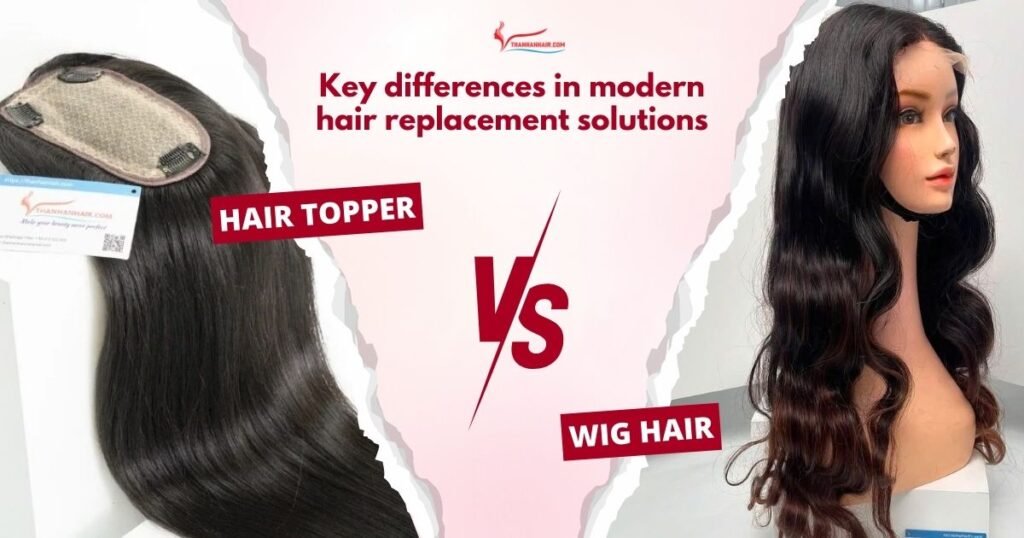
As demand for hair replacement solutions continues to expand globally, hair toppers and wigs have become two core product categories within the industry. While both aim to restore volume and appearance, their construction, application, and performance characteristics differ significantly.
This article examines hair toppers vs wigs through a professional lens, focusing on structure, functionality, and practical considerations relevant to product selection and market positioning.
What Are Hair Toppers
Hair toppers are partial hair systems designed to cover thinning or low-density areas, primarily on the crown or top of the head. They are intended to integrate with existing hair, creating additional volume while preserving the wearer’s natural hairstyle.
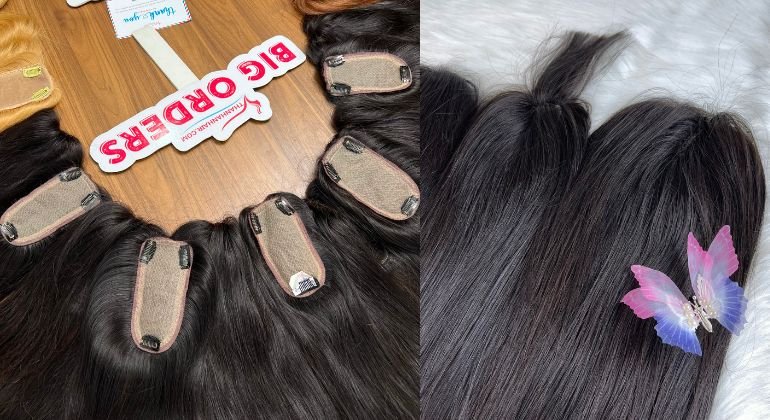
Hair toppers are typically produced with smaller base sizes and moderate density, allowing for lightweight wear and natural blending. Common base constructions include lace, mono, silk, or hybrid designs, each offering varying levels of breathability, durability, and realism.
Due to their reliance on existing hair for attachment and blending, hair toppers are most suitable for early to mid-stage hair thinning rather than complete hair loss.
>>> Read more: Hair Topper Human Hair: The Complete Expert Guide for Natural Coverage and Volume
Pros and Cons of Hair Toppers
An objective evaluation of the pros and cons of hair toppers begins with their structural efficiency. One of the primary advantages of hair toppers lies in their efficient use of materials. With limited coverage areas and controlled density, they deliver natural volume enhancement while remaining lightweight and comfortable for extended wear.
Hair toppers also provide a discreet solution for targeted thinning. When correctly matched in texture and color, they blend seamlessly with surrounding hair, maintaining a natural appearance with minimal styling adjustment.
However, hair toppers have inherent limitations. Their performance is directly influenced by the condition of existing hair, which restricts their applicability across different hair loss stages. Inconsistent natural hair density can affect stability and visual integration.
Additionally, hair toppers offer limited coverage, making them less suitable for situations requiring complete scalp concealment or dramatic style changes.

What Is a Wig
What is a wig can be defined as a full coverage hair system designed to conceal the entire scalp area. Unlike partial systems, wigs function independently of natural hair, providing consistent coverage regardless of hair density or loss pattern.
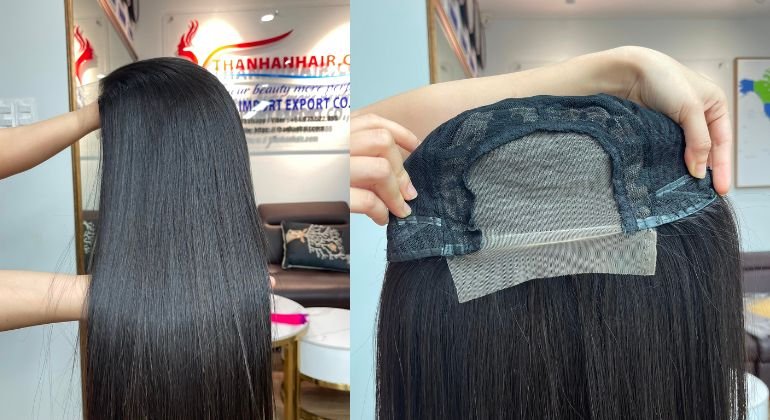
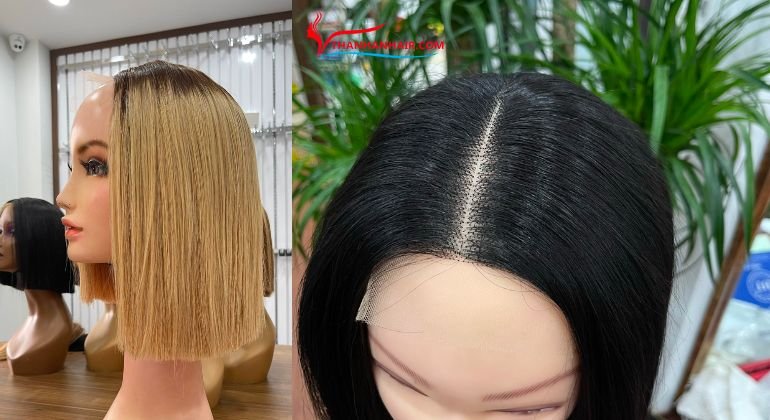
Wigs are constructed with complete caps, such as lace front, full lace, or mono top designs. These structures support uniform density distribution, natural hairlines, and flexible parting options, enabling a wide range of styling possibilities.
Because of their self-supporting structure, wigs are suitable for both functional and aesthetic applications across diverse usage scenarios.
Pros and Cons of Wigs
One of the most significant advantages of wigs is their versatility. Full scalp coverage allows wigs to accommodate varying hair loss conditions while maintaining consistent performance and appearance.
Wigs also offer enhanced styling flexibility. Cap construction and density distribution support different hairstyles, parting directions, and finishing techniques, making wigs adaptable to multiple style preferences.
On the other hand, wigs involve greater material usage and more complex construction. This results in higher production requirements and increased maintenance considerations during long-term use.
Additionally, full coverage systems may feel warmer than partial alternatives, particularly in certain climates, which can influence user comfort.
>>> Read more: How to Choose the Right Wig Hair for Your Face Shape
Structural and Functional Differences Between Hair Toppers vs Wigs
Although hair toppers and wigs are both used within the hair replacement category, their structural design and functional purpose are fundamentally different. These differences influence not only appearance and wearability, but also production complexity, consistency, and application scope.
Coverage Area and Scalp Integration
The most visible difference between hair toppers and wigs lies in coverage.
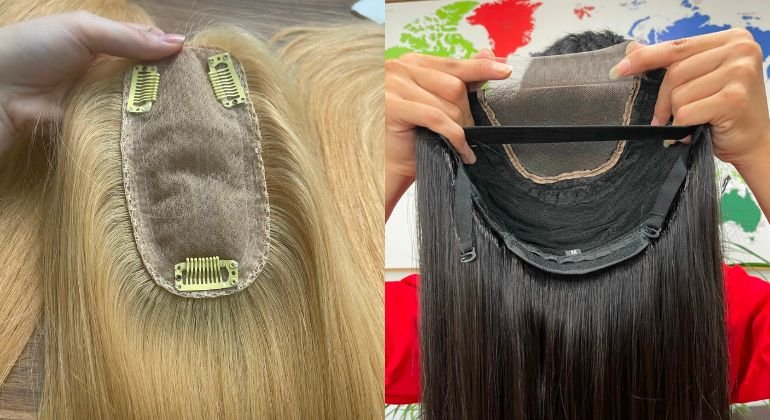
Hair toppers are designed to cover specific thinning areas, typically the crown, top, or part line. Their base size is intentionally limited to integrate with surrounding natural hair, allowing the original hairstyle to remain largely intact.
Wigs, by contrast, provide full scalp coverage. The cap construction is engineered to replace the entire hairstyle rather than enhance a specific area. This full coverage design ensures a uniform appearance regardless of the underlying hair condition.
This distinction directly affects how each product is positioned and applied across different use cases.
Dependency on Existing Hair
Hair toppers are structurally dependent on existing hair for both attachment and visual blending. Clips or integration points are positioned to anchor into natural hair, making sufficient surrounding density essential for stability and realism.
Wigs are independent systems. Their structure does not rely on natural hair for support, as the cap is designed to sit securely on the scalp with internal construction and adjustable features.
From a functional standpoint, this independence allows wigs to perform consistently across a wider range of hair conditions, while hair toppers are more condition-specific.
Base Construction and Cap Design
Hair topper bases are typically smaller and more focused, with construction options such as lace, mono, silk, or hybrid bases. These bases are designed to balance breathability, durability, and natural scalp appearance within a limited surface area.
Wig caps require full structural integrity across the entire head. Common constructions include lace front, full lace, mono top, and hand-tied caps. Each design must account for tension distribution, hair direction, and long-term wear across a larger surface.
As a result, wig cap construction is generally more complex and requires tighter quality control during production.
Density Distribution and Hair Volume
Density in hair toppers is concentrated within a defined area to match the surrounding natural hair. This requires careful calibration to avoid visible transitions between the topper and existing hair.
Wigs feature a density distribution across the entire scalp. This allows for more predictable volume control but also requires greater total hair usage and more precise ventilation techniques.
The difference in density strategy affects not only appearance but also material requirements and production planning.
Weight, Breathability, and Wear Experience
Due to their smaller size and lighter construction, hair toppers tend to offer increased breathability and reduced overall weight. This can be advantageous in environments where lightweight wear is prioritized.
Wigs, with full cap coverage and higher hair volume, naturally carry more weight and retain more heat. Cap design and material selection play a critical role in maintaining comfort over extended wear.
These functional differences are closely tied to climate considerations and usage duration.
Styling Range and Functional Flexibility
Hair toppers are designed to blend into an existing hairstyle, which naturally limits styling flexibility. Parting options and up styles depend on base size and attachment points.
Wigs allow for broader styling freedom. Full coverage enables multiple parting directions, updos, and styling variations depending on cap construction and density.
This flexibility makes wigs suitable for applications that require frequent style changes or a consistent appearance across different looks.
Production Complexity and Consistency
From a structural standpoint, hair toppers involve fewer materials and a more focused construction process. This can support streamlined production and faster turnaround when specifications are standardized.
Wigs involve larger-scale construction, higher hair consumption, and more labor-intensive processes. Consistency across units requires advanced process control, particularly for hairline design and cap symmetry.
These factors influence scalability and quality stability across different production volumes.
Functional Longevity and Maintenance
Hair toppers typically experience localized wear concentrated around attachment points and high-friction areas. Maintenance focuses on preserving blending areas and base integrity.
Wigs undergo uniform wear across the cap and hair fiber. Maintenance requirements are broader, covering the cap structure, hairline condition, and preservation of overall density.
This functional difference affects long-term performance expectations and care considerations.
Conclusion
Understanding the differences between hair toppers and wigs is only the first step in building a reliable and scalable hair product offering. Each solution serves distinct purposes, requires different levels of technical execution, and performs best when produced with consistent materials, precise construction, and stable quality control.
In practice, product success does not depend solely on design or concept, but on the ability to source high-quality hair, maintain uniform standards, and deliver solutions that align with real market expectations. This is where experience, manufacturing capability, and long-term industry presence become essential.
At Thanh An Hair, we take care of all your concerns from start to finish. We are Vietnam’s premier provider of hair extensions and wigs, with over 20 years of experience in the industry and a verified Alibaba account that has been active for over 13 years. We currently work with over 500 salon owners, hairstylists, and hair suppliers worldwide. We are confident in our position as a top brand, providing the finest customer experience in terms of product quality and affordability.
Contact Thanh An Hair today for expert consultation and the most competitive price list.
🌍 100% Vietnamese Human Hair – Consistent Quality
📦 Ready Stock – Fast Global Shipping
🤝 Competitive Pricing – Flexible for Every Order
👉 WhatsApp: (+84) 973522855
👉 Instagram: THANH AN HAIR WHOLESALE MANUFACTURER
👉 TikTok: Thanh An Hair
👉 Email: thanhanexport@gmail.com