
Raw Vietnamese Hair
The Best Ways of Storing Hair Extensions for Long-Term Quality
Jan
Hair extensions rarely lose their quality while being worn. In reality, most damage happens quietly when the hair is set aside. Incorrect storage slowly strips away moisture, disrupts cuticle alignment, and creates friction that leads to tangling and dullness. Over time, even premium hair extensions can appear worn simply because they were not stored correctly.
Storing hair extensions is not an afterthought. It is a critical stage of hair extension care that determines whether the hair maintains its original softness and structure or deteriorates prematurely. Understanding how to store hair extensions properly allows the hair to retain its value, performance, and natural beauty long after installation.
Storing Hair Extensions as a Core Principle of Hair Extension Care
Hair extension care is often associated with washing, conditioning, and styling, yet storage plays an equally decisive role. Once extensions are removed, they are no longer supported by natural scalp oils or daily movement that helps prevent compression. From that point forward, the storage environment directly influences overall condition.
Proper storage preserves cuticle direction and minimizes unnecessary friction between strands. When the hair is left to rub against itself, the cuticle layer gradually lifts, leading to tangling and surface roughness. Over time, this type of damage becomes increasingly difficult to reverse.
Professionals view storage as a continuation of the care process rather than a separate step. When handled with intention, the benefits of washing and conditioning are maintained instead of slowly undone.
>>> Read more: Hair Extension Care and Maintenance: Complete Guide to Long-Lasting Extensions
How to Store Hair Extensions Properly Without Reducing Quality
How to Store Hair Extensions After Washing and Daily Use
One of the most critical moments in the storage process occurs immediately after washing. The hair must be completely dry before it is put away. Even small amounts of trapped moisture can lead to odors, weaken the fibers, and gradually alter texture.
After washing, excess water should be gently removed with a towel. The strands should then be left to air dry naturally in a clean, well-ventilated area. Once fully dry, careful detangling from the ends upward helps maintain smooth alignment.
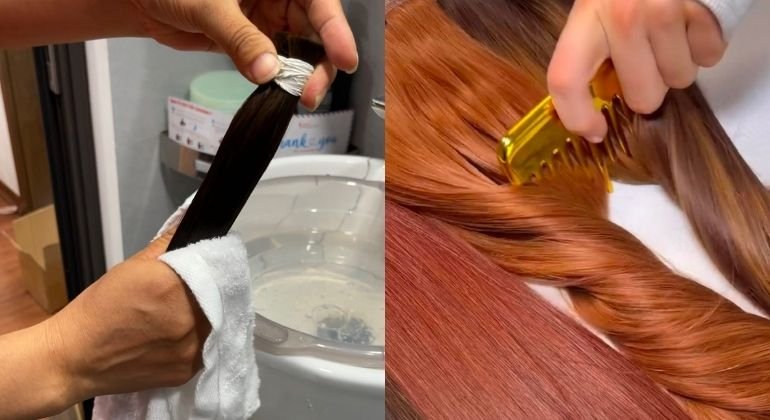
This preparation step is essential. Without proper alignment, strands can tangle during storage, even when left undisturbed for extended periods.
Products used during washing also influence how the hair performs while stored. Using a suitable cleanser designed for human hair helps minimize residue and moisture retention, supporting better long-term results.
>>> Read more: Best Shampoo for Human Hair Extensions: What to Use and What to Avoid
How to Store Extensions to Maintain Cuticle Alignment
Cuticle alignment is the foundation of long-lasting quality. When the strands remain oriented in a single direction, friction is reduced and natural shine is preserved.
To support this structure, the hair should be laid flat or softly curved rather than sharply folded. Tight bends create stress points that weaken the strands and increase the risk of breakage over time. Wrapping with silk or satin materials further limits friction and reflects professional care standards.
When storage methods respect the hair’s natural structure, long-term performance, manageability, and appearance are noticeably improved.
Choosing Storage Methods That Support Hair Extension Care
Choosing the right storage method is a critical part of hair extension care. The quality of hair extensions during storage depends less on the container itself and more on how well the method controls friction, moisture, and environmental exposure. Based on industry practices and recommendations from professional hair suppliers, the following storage methods are consistently recognized as safe and effective.
Each method serves a specific purpose, and understanding when and how to use them ensures that storing hair extensions supports long-term quality rather than causing gradual damage.
Storing Extensions in Satin or Silk Storage Bags
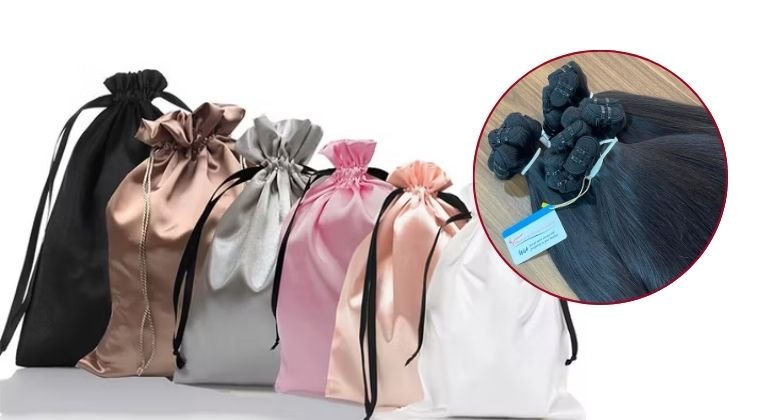
Satin and silk storage bags are among the most commonly recommended options for proper storage. Their smooth surfaces significantly reduce friction between strands, helping prevent tangling and cuticle damage.
Before placing the hair into a satin or silk bag, make sure it is completely dry and gently detangled. The strands should be laid flat or softly curved, following their natural fall. Twisting or tightly folding should be avoided, as this can create pressure points over time.
This method works especially well for short to medium-term storage and for those who rotate extensions regularly. From a professional care perspective, satin and silk bags help maintain softness and shine while protecting the hair from dust and static.
Hanging Storage Methods
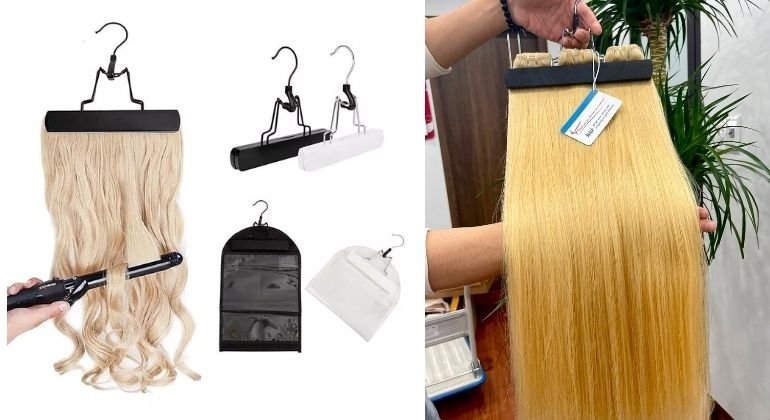
Hanging storage is widely recommended for clip-in hair extensions and other extensions that are frequently removed and reused. This method allows hair extensions to remain fully extended, using gravity to preserve alignment naturally.
To store hair extensions using this method, the hair should be securely but gently attached at the top and allowed to hang freely. The storage location must be dry, cool, and away from direct sunlight. Excess humidity or heat can still affect hair quality even when the hair is hanging.
Hanging storage reduces repeated handling, which is a key principle in professional hair extension care. Less handling means reduced friction and fewer opportunities for tangling.
Storing Extensions in Boxes with Protective Lining
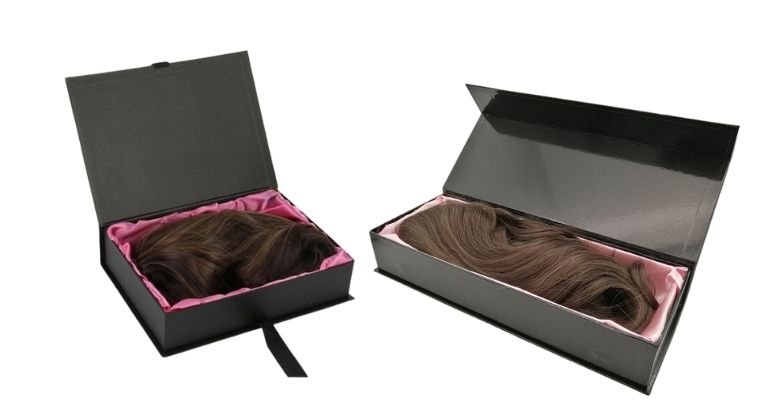
Storage boxes are commonly used for long-term storage of hair extensions or when additional physical protection is needed. These boxes help shield hair from dust, light, and accidental compression when used correctly.
Before placing hair extensions into a box, the hair should be wrapped in satin or silk fabric. This inner layer protects the cuticle and prevents friction against the box surface. The wrapped hair must be laid flat inside the box, without bending or stacking heavy items on top.
Boxes are especially suitable for storing hair extensions that will not be used for several months. However, overcrowding should be avoided, as compression can flatten texture and weaken strands over time.
Drawer Storage with Soft Fabric Lining
Drawer storage can be a practical solution when done correctly. The drawer should be clean, dry, and lined with a soft fabric such as satin or silk to minimize friction.
The strands should be gently detangled, aligned, and laid flat inside the drawer. Heavy items should never be placed on top, as pressure can distort texture and reduce volume over time.
This approach is commonly used for short-term or intermediate storage and works best when combined with proper fabric lining. From a professional care perspective, it is valued for its convenience and easy access.
Environmental Conditions When Storing Extensions
Regardless of the storage method used, environmental conditions play a critical role. Hair extensions should always be stored in a cool, dry place away from direct sunlight. Bathrooms and areas with frequent temperature changes are not suitable storage locations.
Consistent environmental control supports every aspect of hair extension care and enhances the effectiveness of all storage methods.
>>> Read more: How to Sleep With Hair Extensions: Complete Guide to Protect Your Hair at Night
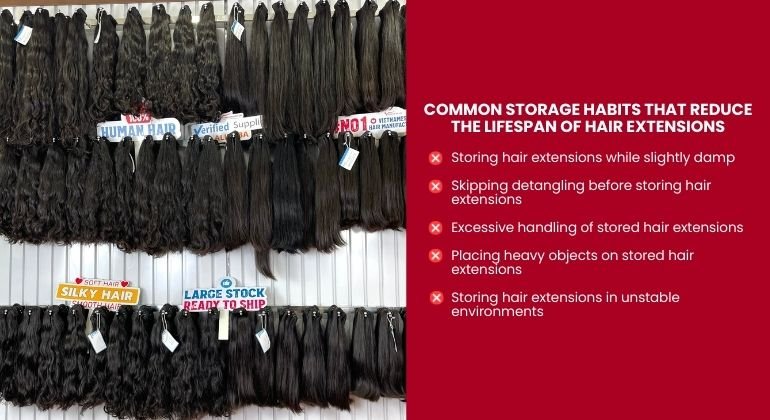
Common Storage Habits That Reduce the Lifespan of Hair Extensions
Many hair extensions do not lose quality because of poor manufacturing or daily wear, but because of small storage habits that seem harmless at first. Over time, these habits quietly weaken the hair structure, reduce softness, and shorten the overall lifespan of hair extensions.
Storing Hair Extensions While Slightly Damp
One of the most damaging storage habits is putting the hair away before it is completely dry. Even small amounts of trapped moisture inside a bag, box, or drawer create an unstable environment that gradually weakens the fibers.
Damp conditions encourage odor, texture changes, and cuticle swelling, which increase friction between strands. This type of damage often becomes visible only after several weeks, making it difficult to trace the problem back to improper storage.
In professional care routines, hair is never stored unless it has been fully air-dried and is cool to the touch.
Skipping Detangling Before Storing Hair Extensions
Another common mistake is placing the hair into storage without detangling it first. Small knots and twists may seem insignificant at the time, but they tighten while resting and become much harder to remove later.
As the strands sit undisturbed, friction causes these minor tangles to compact, leading to matting through the mid-lengths and ends. When brushing is attempted afterward, extra force is often required, increasing the risk of breakage and shedding.
Proper preparation always begins with gentle detangling from the ends upward to ensure smooth alignment before the hair is put away.
Excessive Handling of Stored Hair Extensions
Repeatedly taking the hair out of storage to check, touch, or reorganize it is a habit that shortens longevity. Each interaction introduces friction, static, and unnecessary stress to the strands.
Professional care practices emphasize minimal disturbance. Once the hair is stored correctly, it should remain undisturbed until it is needed again. Consistency is far more beneficial than frequent adjustment.
Limiting handling helps preserve alignment and prevents avoidable wear on the hair surface.
Placing Heavy Objects on Stored Hair Extensions
Compression is a frequently overlooked cause of damage. Placing heavy items on top of stored hair flattens the strands and disrupts their natural structure.
This issue is especially harmful for wavy and curly textures, where pressure can permanently distort the pattern. Over time, compressed strands may appear limp, uneven, or difficult to style.
To prevent this, storage should always avoid added weight or pressure, allowing the hair to rest in its natural form.
Storing Hair Extensions in Unstable Environments
Environmental factors play a major role in storage-related damage. Storing hair extensions in bathrooms, near windows, or close to heat sources exposes them to humidity, temperature fluctuations, and sunlight.
These conditions gradually dry out the hair, fade color, and weaken the cuticle layer. Even when hair extensions are not being worn, environmental stress continues to affect their quality.
A stable, cool, and dry storage location is a fundamental requirement in proper hair extension care.
Why Avoiding These Habits Preserves Long-Term Value
Hair extensions represent both a financial and aesthetic investment. Avoiding harmful storage habits directly protects that investment by extending usability and maintaining appearance.
When storing hair extensions becomes a disciplined routine rather than an afterthought, the difference is clearly visible. Hair remains softer, tangles less, and requires fewer restorative treatments over time.
For salons and distributors, consistent hair extension storage practices also reflect professionalism and product reliability. For individual users, it ensures hair extensions always look and feel ready to wear, even after long periods of storage.
Conclusion
Storing hair extensions correctly is not complicated, but it requires intention. The focus should always be on preserving alignment, controlling moisture, and minimizing friction.
By integrating proper storage methods for hair extensions into regular hair extension care, the lifespan and performance of hair extensions can be significantly improved. Whether for short term convenience or long-term preservation, thoughtful storage is one of the most effective ways to protect hair quality.
When done correctly, storing hair extensions becomes an invisible yet powerful factor in maintaining beautiful, long-lasting hair.
With the right storage habits in place, the remaining factor that truly defines long-term hair quality is the source of the hair itself. Proper care can only go so far if the hair is not processed and selected according to professional standards. That is why working with an experienced and reliable hair supplier is essential for anyone seeking consistent, long-lasting results.
At Thanh An Hair, we take care of all your concerns from start to finish. We are Vietnam’s premier provider of hair extensions and wigs, with over 20 years of experience in the industry and a verified Alibaba account that has been active for over 13 years. We currently work with over 500 salon owners, hairstylists, and hair suppliers worldwide. We are confident in our position as a top brand, providing the finest customer experience in terms of product quality and affordability.
Contact Thanh An Hair now for expert consultation and the best price list.
🌍 100% Vietnamese Human Hair – Consistent Quality
📦 Ready Stock – Fast Global Shipping
🤝 Competitive Pricing – Flexible for Every Order
👉 WhatsApp: (+84) 973522855
👉 Instagram: THANH AN HAIR WHOLESALE MANUFACTURER
👉 TikTok: Thanh An Hair
👉 Email: thanhanexport@gmail.com