
Raw Vietnamese Hair
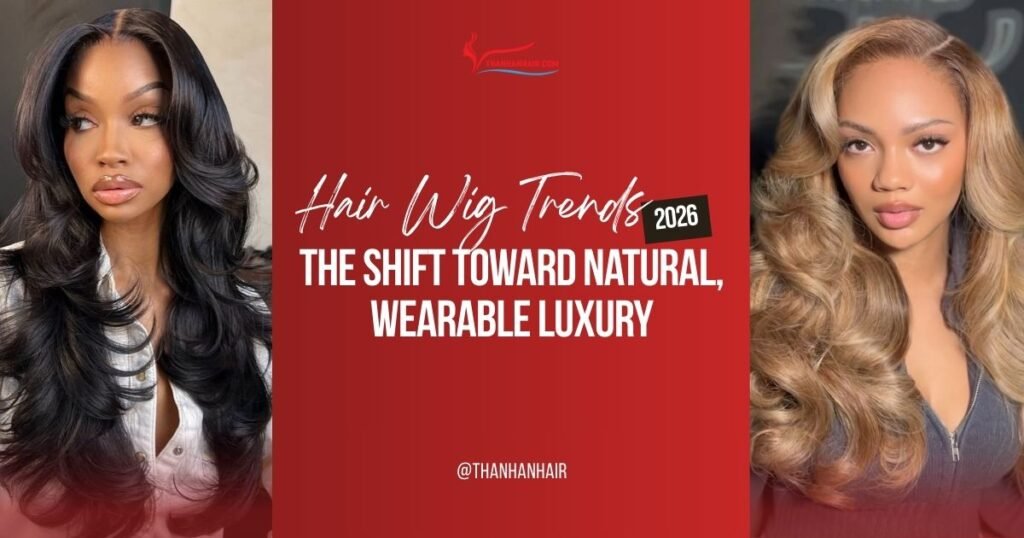
Hair Wig Trends 2026: The Shift Toward Natural, Wearable Luxury
Feb
At Thanh An Hair, we have witnessed firsthand how the global wig industry is evolving beyond seasonal fashion statements into a refined, everyday essential. As we move into 2026, the conversation is no longer about dramatic transformation alone, it is about realism, comfort, and premium craftsmanship. Consumers across major markets are demanding wigs that look undetectable, feel lightweight, and align with modern lifestyle expectations.
This shift reflects a broader industry transition toward natural aesthetics and wearable luxury. From texture authenticity to dimensional color sophistication, hair wigs are becoming an extension of personal identity rather than a temporary styling tool. In this article, we explore the key movements shaping hair wig trends in 2026 and why high-quality human hair is emerging as the foundation of this new luxury standard.
What is wig hair?
Wig hair refers to real human hair or synthetic fibers that are crafted onto a cap or lace base to create a full-head hairpiece worn to cover the scalp. It is designed to replicate the look, texture, and movement of natural hair, allowing the wearer to change hairstyles instantly without altering their own hair.
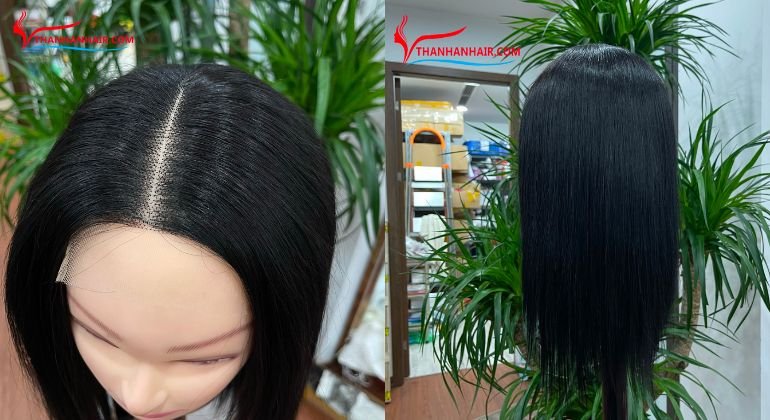
There are two main types of wig hair: human hair wigs and synthetic wigs. Human hair wigs are made from 100% real hair, offering the most natural appearance and the most flexible styling. They can be curled, straightened, dyed, and cut just like natural hair. Synthetic wigs are created from man-made fibers. They are typically more affordable, pre-styled, and easy to maintain, though less versatile in terms of restyling and long-term durability.
Today, wig hair is widely used for fashion transformation, convenience, and protective styling, making it an essential product in the modern global beauty industry.
>>> Read more: Human Hair Wigs vs Synthetic Wigs: What’s the Best Choice for You?
The numbers behind the shift: What 2026 reveals about the wig industry
While 2025 was still characterized by widespread use of chemically processed hair and synthetic-blended fibers to maximize affordability and short-term visual impact, 2026 signals a measurable transition toward higher material standards and long-term product value.
Market data for 2026 does more than indicate growth; it reveals a structural shift in how wigs are positioned and consumed globally. The industry is no longer expanding purely through volume or trend-driven spikes. Instead, it is advancing through value concentration, product refinement, and increasing consumer selectivity.
According to Future Market Insights, the global hair wigs and extensions market is projected to reach approximately USD 7.8 billion in 2026, with a compound annual growth rate (CAGR) of 5.6% from 2026 to 2036, ultimately exceeding USD 13 billion by 2036 (Future Market Insights, Hair Wig and Extension Market Report). This steady growth trajectory indicates sustained demand rather than short-term volatility.
Complementing this outlook, Data Insights Market estimates that the broader hair wig market could approach USD 17 billion by 2026, depending on the segmentation scope and inclusion of related hair categories (Data Insights Market, Hair Wigs Market Report). While valuation methodologies differ across research providers, both projections confirm continued global expansion and deeper category penetration.
Segment-specific data further clarifies where momentum is building. The Color Wig Market, valued at approximately USD 1.5 billion in 2024, is forecasted to grow at a CAGR of 9.2% from 2026 onward, potentially reaching USD 3.2 billion by 2033 (Market Analysis, Color Wig Market Size 2026 Trends). The higher growth rate in this segment suggests that consumers are not retreating from stylistic experimentation; rather, they are investing in variation with greater intentionality.
However, qualitative shifts in demand indicate that color and creativity are being reinterpreted. Instead of highly artificial or exaggerated aesthetics, there is an increasing preference for dimensional tones, salon-inspired blends, and finishes that replicate professionally colored natural hair. In parallel, product reviews and wholesale feedback consistently emphasize comfort, lace invisibility, lightweight construction, and durability as primary decision factors.
Taken together, these indicators suggest that 2026 marks a recalibration of value within the wig industry. Growth is being driven not only by new adopters but also by repeat buyers who prioritize performance and realism. Premium positioning is therefore becoming less about dramatic transformation and more about subtle authenticity, technical precision, and everyday integration.
This market environment sets the foundation for what can be defined as a transition toward natural, wearable luxury, a framework in which realism, comfort, and material quality collectively shape competitive advantage in the global wig sector.
Key hair wig trends defining 2026
1. Realistic textures with natural movement
Texture is emerging as one of the most decisive purchasing factors in 2026. While previous cycles of the wig market often emphasized dramatic styling: ultra-long lengths, high density, or sharply defined curls, current demand is shifting toward realism and movement.
Global fashion and beauty reporting increasingly highlight “effortless” aesthetics as a dominant direction. Trend analyses published in Vogue Business Beauty Tracker emphasize the growing consumer preference for natural-looking hair textures, soft layering, and understated finishes across both runway and retail segments.
Within the wig category, this translates into demand for:
- Soft natural waves

- Loose body curls

- Subtle straight textures with moderate density


- Layered cuts that enhance organic movement
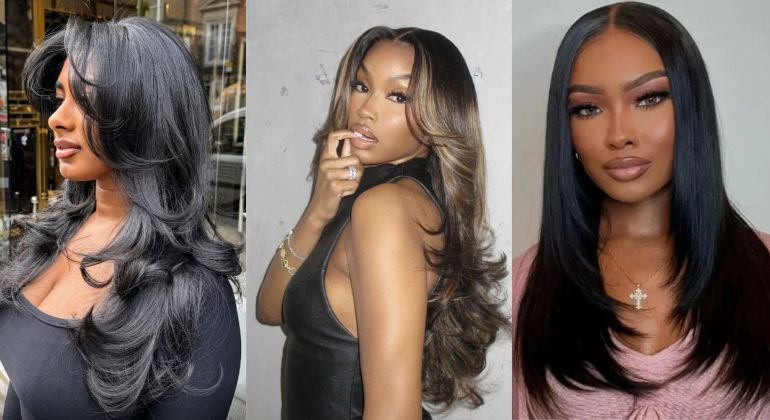
Rather than rigid or heavily structured styles, consumers are seeking wigs that respond naturally to motion, humidity, and heat styling. Overly glossy synthetic shine and excessively dense constructions are gradually losing appeal, particularly in premium segments.
This trend aligns with the broader premiumization of the wig market identified by Future Market Insights (Hair Wig and Extension Market Report), which notes that product innovation and quality enhancement are key drivers of long-term growth.
Human hair wigs inherently meet these expectations due to their fiber authenticity, natural cuticle behavior, and styling responsiveness – characteristics that remain difficult to replicate with synthetic alternatives.
2. Dimensional and warm-toned color preferences
Color continues to drive expansion within the wig sector. According to the Color Wig Market analysis (Market Report, 2026 Trends Forecast), the segment was valued at approximately USD 1.5 billion in 2024 and is projected to grow at a CAGR of 9.2% from 2026 onward, reaching around USD 3.2 billion by 2033.
However, the nature of color demand is evolving. Rather than extreme neon palettes or stark contrast tones, 2026 preferences emphasize dimensional and salon-inspired color work. Industry reporting across professional beauty publications and runway summaries (Vogue Business Beauty Tracker) consistently identifies warm and multi-tonal shades as dominant.
Key color directions include:
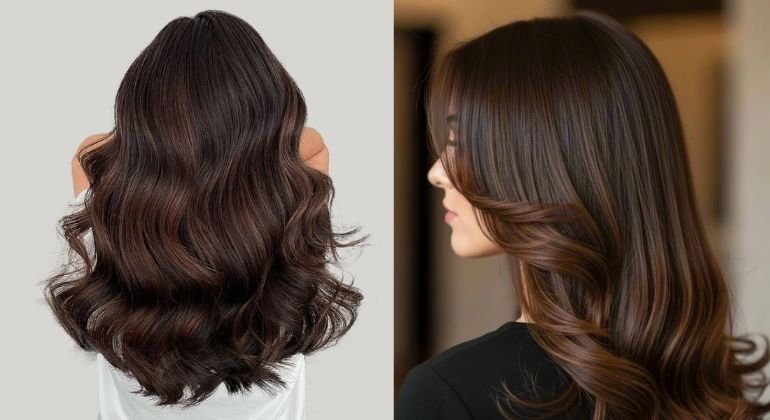
- Honey brown blends
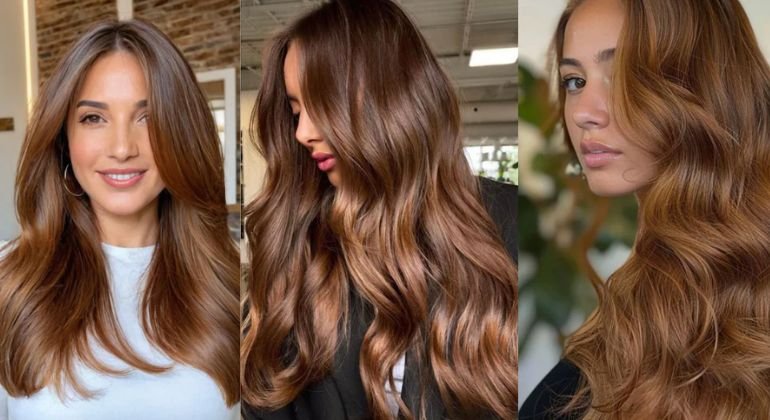
- Warm chocolate tones
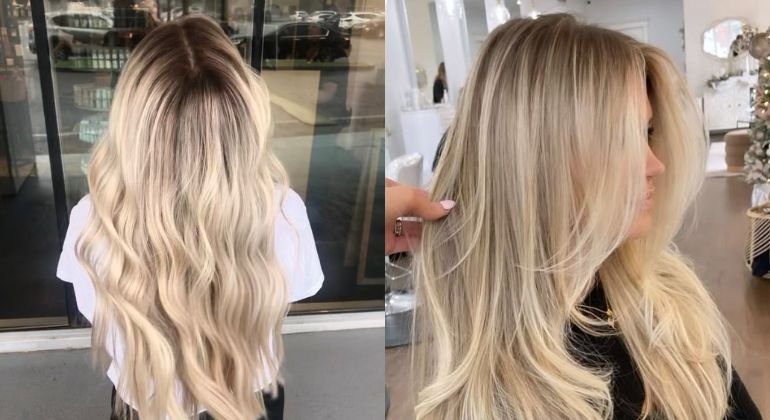
- Neutral beige blondes with shadow roots
- Soft balayage transitions
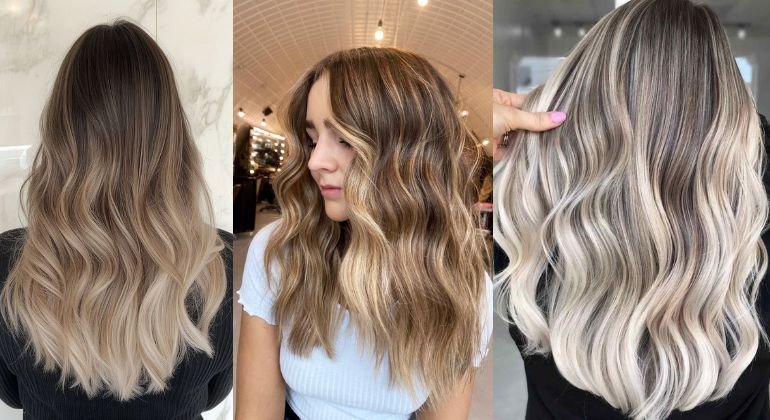
- Subtle ombré effects
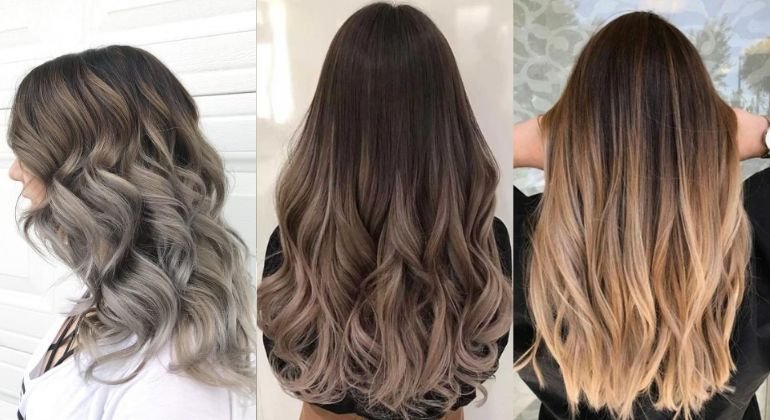
This shift reflects the broader salon industry movement toward “lived-in color” – tones designed to mimic natural growth patterns and depth rather than flat, single-process coloring.
Luxury in 2026 color positioning is defined by depth and tonal layering rather than brightness alone. Human hair wigs provide superior dye absorption and allow nuanced tonal variation, enabling manufacturers to replicate professional salon finishes more effectively.
3. Shoulder to mid-length dominance
Although ultra-long wigs remain visible in influencer-driven social media culture, broader consumer demand shows increasing interest in wearable, medium-length styles.
The overall market expansion projected by Future Market Insights suggests sustained adoption across diverse consumer groups, including working professionals and hybrid lifestyle users. Within this context, practicality becomes a significant factor in length selection.
Popular length directions for 2026 include:
- Collarbone-length lobs

- Layered shoulder cuts

- Mid-back natural waves
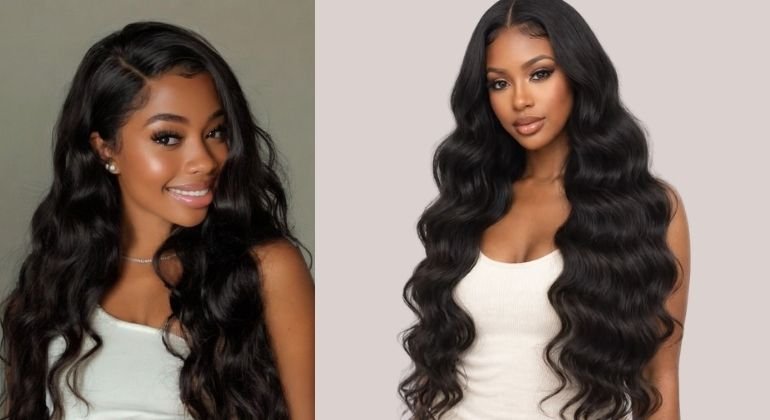
- Medium-length textured straight styles

These lengths offer versatility across professional environments, social settings, and digital appearances. They balance styling flexibility with manageability, reinforcing the concept of wearable luxury as defined by comfort and adaptability.
4. Glueless and comfort-first construction
As wigs transition from occasional-use items to daily styling solutions, wearability becomes central to product development.
The broader industry analysis from Future Market Insights highlights innovation and product refinement as critical growth drivers. In practice, this includes technical improvements in cap construction and installation systems.
Key construction trends in 2026 include:
- Breathable, lightweight cap materials
- Adjustable straps for a customized fit
- Elastic bands integrated into the structure
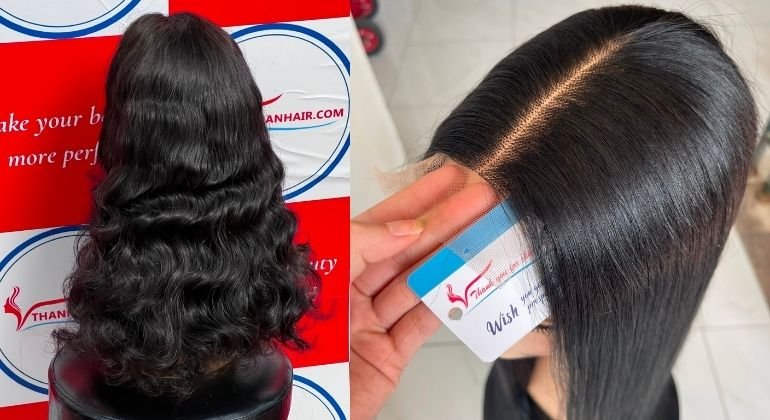
- Ultra-thin lace for scalp realism
- Glueless installation systems
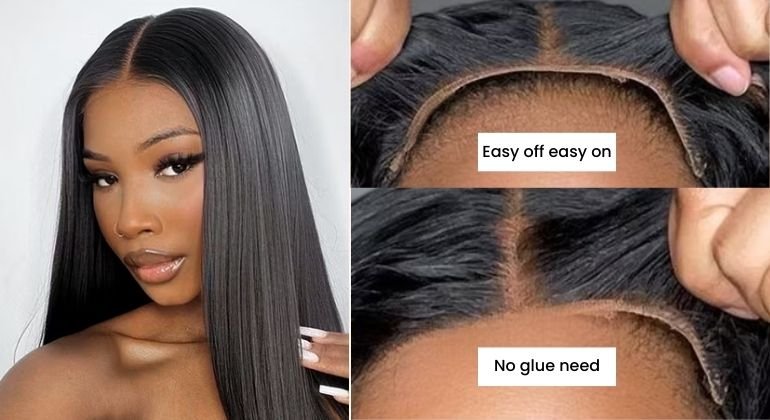
Consumers increasingly evaluate wigs based not only on appearance but also on long-term comfort. Tight constructions and heavy adhesive reliance are gradually being replaced by flexible, user-friendly designs that support extended wear.
In this context, luxury is defined not only by how a wig looks, but by how it feels during prolonged use.
>>> Read more: Glueless Wig Guide for Beginners You’ll Wish You Knew Sooner
Why human hair wigs lead the 2026 landscape
Across multiple market forecasts, the human hair segment consistently represents the highest-value tier within the broader wig industry. Both Future Market Insights and Data Insights Market indicate that premium growth is increasingly concentrated in segments emphasizing quality, durability, and product refinement – characteristics most closely associated with human hair wigs.
This leadership is not incidental; it is structural.
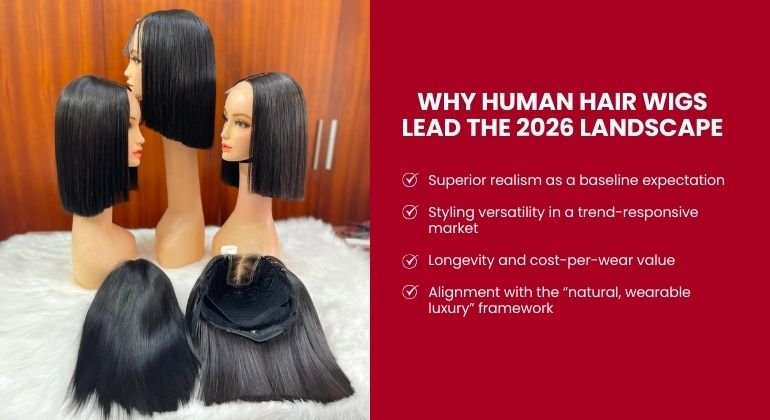
1. Superior realism as a baseline expectation
As discussed in earlier sections, realism has become central to consumer evaluation criteria. Human hair fibers naturally reflect light with subtle variation, move organically in response to airflow and humidity, and integrate seamlessly with natural hairlines.
Synthetic fibers, even when technologically advanced, often retain a uniform sheen or structural rigidity under close inspection. In a high-definition, digital-first environment where consumers scrutinize detail through video content and social media, micro-level authenticity matters more than ever.
The premium shift identified in market projections, therefore, favors materials capable of delivering undetectable results — a requirement that inherently advantages real human hair.
2. Styling versatility in a trend-responsive market
The wig industry in 2026 is defined by evolving texture, color, and cut preferences. Market segmentation growth in areas such as color experimentation (Color Wig Market Analysis, 2026 Trends Forecast) suggests that adaptability is critical.
Human hair wigs allow:
- Heat styling (curling, straightening, re-texturizing)
- Recoloring and tonal adjustments
- Layering and reshaping
- Long-term restyling without structural degradation
This flexibility aligns with a consumer base that seeks investment pieces rather than single-use fashion items. As trends move toward dimensional coloring and natural layering, human hair provides the technical foundation required to replicate salon-level results.
In contrast, synthetic alternatives typically limit heat exposure and recoloring potential, reducing their compatibility with long-term trend evolution.
3. Longevity and cost-per-wear value
Premium positioning in 2026 is closely tied to durability. While human hair wigs involve a higher upfront cost, their extended lifespan supports a stronger cost-per-wear value, particularly for daily-use consumers.
According to broader premiumization trends identified in Future Market Insights, product refinement and quality enhancement are key contributors to sustained market growth. Longevity supports repeat purchasing behavior rooted in brand trust rather than replacement necessity.
High-quality human hair wigs maintain:
- Cuticle integrity
- Texture definition
- Density distribution
- Structural consistency over time
This durability strengthens the perception of wigs as long-term lifestyle products rather than temporary accessories.
4. Alignment with the “natural, wearable luxury” framework
The defining theme of the 2026 wig landscape is natural, wearable luxury – a convergence of authenticity, comfort, and craftsmanship.
Authenticity, by definition, requires real fiber. As consumer expectations shift toward subtle realism, breathable construction, and salon-grade finishes, the material foundation becomes increasingly important. Human hair supports dimensional color blending, invisible hairlines, and responsive movement — all essential to the premium aesthetic described in current industry forecasts.
For manufacturers and suppliers, this signals a clear strategic direction: invest in high-quality sourcing, controlled processing methods, and advanced color craftsmanship. Material integrity is no longer a differentiator; it is a requirement.
Strategic implications for industry players in 2026
The 2026 wig landscape does not simply present growth opportunities; it demands strategic recalibration.
Market data from Future Market Insights, Data Insights Market, and segment-specific analysis, such as the Color Wig Market Report, collectively indicate that the industry is expanding while simultaneously upgrading its value expectations. Volume growth alone is insufficient. Product refinement and differentiation are becoming decisive competitive factors.
Several strategic priorities emerge:
1. Shift product development toward natural textures
Manufacturers should prioritize soft, movement-driven textures over rigid or exaggerated constructions. Density calibration, layering precision, and fiber quality control will increasingly determine perceived value.
2. Invest in multi-tonal and dimensional color expertise
As color growth accelerates within the category, brands that can replicate salon-level blends, including balayage transitions and shadow roots, will capture higher-margin segments.
This requires advanced dye absorption control and fiber consistency, particularly in human hair production.
3. Optimize comfort and glueless engineering
With daily wear becoming common, breathable caps, adjustable systems, and lightweight construction must move from premium add-ons to standardized features. Comfort directly influences repeat purchase rates and brand loyalty.
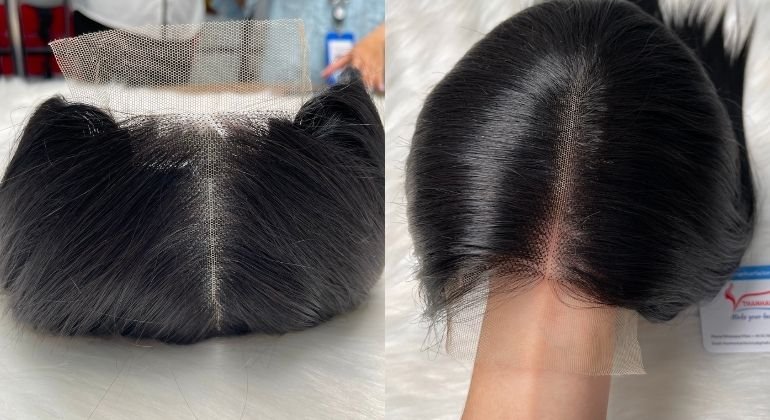
4. Standardize HD Lace and hairline refinement
Given the digital scrutiny of modern beauty consumption, invisible hairlines are transitioning from a luxury upgrade to a baseline expectation. Investment in lace technology and pre-customization processes will be critical.
5. Prioritize human hair sourcing and processing excellence
Perhaps most importantly, suppliers must secure reliable, high-quality human hair sources and implement controlled processing systems that preserve fiber integrity. As the market shifts toward natural luxury, raw material quality becomes the foundation of competitive positioning.
For manufacturers such as Thanh An Hair, specializing in high-quality Vietnamese human hair, these industry movements represent a structural opportunity. Vietnamese hair is recognized for its strength, thickness, and natural smoothness, characteristics well aligned with the realism and durability demanded in 2026.
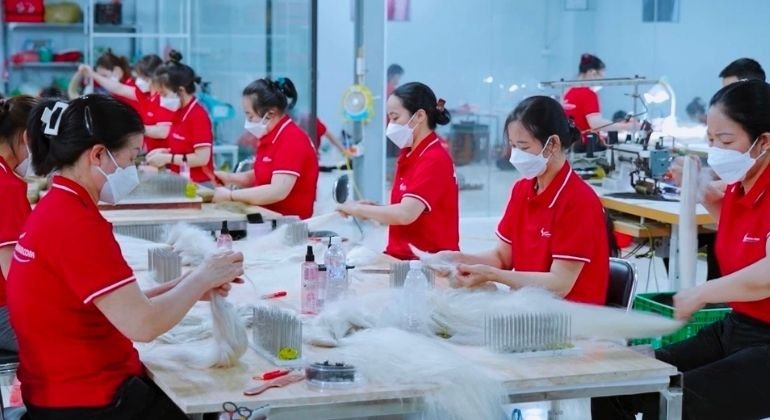
The market is not merely expanding; it is upgrading. Suppliers prepared to align with this elevation in standards will define the next phase of global wig leadership.
Conclusion
The wig industry in 2026 is not simply expanding, it is refining itself. As global demand continues to rise, so do expectations. Consumers are no longer impressed by volume alone or temporary visual impact. They are looking for wigs that move naturally, feel lightweight, blend seamlessly, and maintain structure over time. Realism, comfort, durability, and dimensional color are no longer premium add-ons; they are becoming baseline requirements.
This shift toward wearable luxury has placed human hair at the center of the market. Only real fiber can deliver the softness, biological movement, and styling flexibility that today’s customers expect. As wigs increasingly become part of everyday identity rather than occasional transformation, material quality and construction precision determine brand credibility.
For wholesalers, salon owners, and beauty brands, the key question in 2026 is no longer whether the market is growing, it is how to position within a market that is upgrading. Partnering with a manufacturer that understands global standards, maintains consistent raw hair sourcing, and operates with transparent production systems is essential for long-term competitiveness.
At Thanh An Hair, we take care of all your concerns from start to finish. We are Vietnam’s premier provider of hair extensions and wigs, with over 20 years of experience in the industry and a verified Alibaba account that has been active for over 13 years. We currently work with over 500 salon owners, hairstylists, and hair suppliers worldwide. We are confident in our position as a top brand, providing the finest customer experience in terms of product quality and affordability.
Contact Thanh An Hair today for expert consultation and the most competitive price list.
🌍 100% Vietnamese Human Hair – Consistent Quality
📦 Ready Stock – Fast Global Shipping
🤝 Competitive Pricing – Flexible for Every Order
👉 WhatsApp: (+84) 973522855
👉 Instagram: THANH AN HAIR WHOLESALE MANUFACTURER
👉 TikTok: Thanh An Hair
👉 Email: thanhanexport@gmail.com