
Raw Vietnamese Hair
Avocado Oil for Hair: In-Depth Expert Guide to Nourishment, Repair, and Long-Term Hair Health
Jan
In modern hair care, consumers are increasingly turning toward natural oils with proven efficacy rather than short-term cosmetic solutions. Among these, avocado oil for hair has gained recognition from hair professionals for its exceptional ability to nourish, repair, and protect hair from the inside out. Unlike many surface coating oils, avocado oil penetrates deeply into the hair shaft, making it a powerful ally for long-term hair health.
This comprehensive guide examines whether avocado oil is good for hair, explores the science-backed benefits of avocado oil for hair, and explains how to use avocado oil effectively for different hair types and conditions.
What Makes Avocado Oil for Hair So Effective
Avocado oil is extracted from the flesh of ripe avocados, not the seed, which sets it apart from many other plant oils. Its molecular structure closely resembles the natural lipids found in human hair and scalp sebum. This similarity allows avocado oil for hair to penetrate the cuticle layer more effectively than heavier oils.
From a professional standpoint, penetration is critical. Oils that remain on the surface may add shine temporarily, but they do not address internal moisture loss or structural weakness. Avocado oil works differently by reinforcing the lipid layer within the hair fiber, helping restore balance that is often lost due to heat styling, chemical treatments, and environmental exposure.
Additionally, avocado oil contains a high concentration of monounsaturated fatty acids, particularly oleic acid, which enhances absorption and improves hair flexibility.
Is Avocado Oil Good for Hair from a Professional Hair Care Perspective?
When clients ask is avocado oil good for hair, hair specialists evaluate the question based on hair biology rather than trends. Healthy hair depends on moisture retention, protein integrity, and scalp balance. Avocado oil supports all three.
First, avocado oil improves moisture retention by strengthening the cuticle barrier. This reduces water loss during washing and styling. Second, its vitamin content supports the scalp environment, which indirectly affects hair growth quality. Third, avocado oil provides antioxidant protection, shielding hair from oxidative stress caused by UV radiation and pollution.
Professionals often recommend avocado oil for hair to individuals with dry, porous, or chemically processed hair because these hair types struggle to retain moisture. When used correctly, avocado oil does not clog follicles or disrupt scalp balance, making it suitable for regular use.
Benefits of Avocado Oil for Hair Explained in Detail
The benefits of avocado oil for hair extend beyond surface-level improvements. Each benefit contributes to healthier hair over time rather than offering only temporary results.
Deep Moisture Restoration at the Fiber Level
One of the most important benefits of avocado oil for hair is its ability to restore moisture within the hair fiber. Hair loses moisture due to repeated washing, heat styling, and exposure to harsh weather conditions. Once the internal moisture balance is disrupted, hair becomes rough, dull, and prone to breakage.
Avocado oil penetrates the cuticle and delivers essential fatty acids directly into the cortex. This internal hydration improves softness, reduces frizz, and enhances overall manageability. Over time, hair becomes less dependent on styling products to appear smooth.
Strengthening Hair Structure and Reducing Breakage
Hair strength is determined by elasticity and protein integrity. When hair lacks elasticity, it snaps under tension. Avocado oil for hair improves elasticity by replenishing lipids that support the hair’s internal structure.
Regular use helps reduce breakage during brushing, styling, and washing. This is especially valuable for individuals growing their hair longer or maintaining hair extensions, where length retention is a key concern.
Supporting Scalp Health and Follicle Function
Another often overlooked benefit of avocado oil for hair is its impact on scalp health. A dry or imbalanced scalp can disrupt the hair growth cycle, leading to weaker strands.
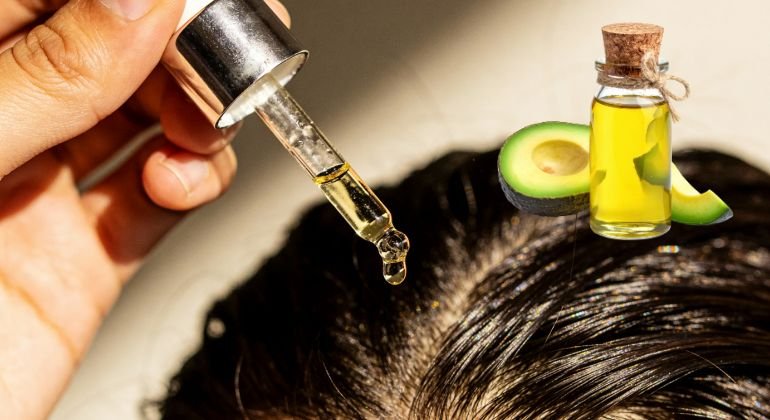
Avocado oil contains vitamins A, D, and E, which help soothe dryness and protect the scalp from oxidative damage. Gentle scalp massage with avocado oil improves circulation, ensuring follicles receive sufficient oxygen and nutrients. While avocado oil does not directly stimulate growth, it creates optimal conditions for healthy hair production.
Protection from Environmental and Thermal Damage
Modern hair is constantly exposed to stressors such as UV rays, pollution, and heat tools. The antioxidants in avocado oil form a protective layer around the hair shaft, minimizing damage caused by free radicals.
This protective function is particularly important for color-treated hair, as oxidative stress accelerates color fading and structural damage.
Enhancing Natural Shine Without Heavy Residue
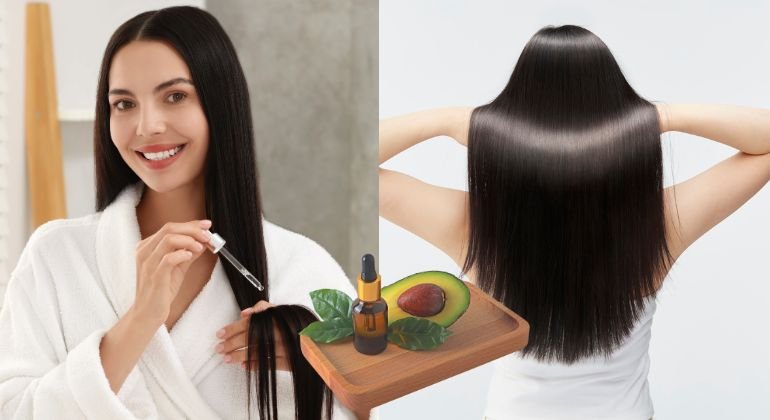
Unlike silicone-based products that create artificial shine, avocado oil for hair enhances natural shine by smoothing the cuticle layer. When the cuticle lies flat, light reflects evenly, resulting in healthy-looking hair.
Because avocado oil absorbs well, it delivers shine without leaving hair greasy or weighed down when used in appropriate amounts.
How to Use Avocado Oil for Hair for Maximum Effectiveness
Knowing how to use avocado oil for hair correctly is essential to achieving professional-level results. Application methods should be adjusted based on hair type and condition.
Pre-Wash Treatment for Moisture Protection
Using avocado oil as a pre-wash treatment helps protect hair from moisture loss during cleansing. Apply avocado oil for hair to dry hair, concentrating on mid-lengths and ends where damage is most common. Leave it on for at least thirty minutes before shampooing.
This method is particularly effective for dry, coarse, or chemically treated hair.
Scalp Treatment and Massage Technique
For scalp-focused care, warm a small amount of avocado oil between your hands and massage gently into the scalp. This helps relieve dryness and supports a healthy scalp environment.
This approach is suitable for individuals experiencing seasonal scalp dryness or mild irritation.
Leave In Use for Daily Hair Protection
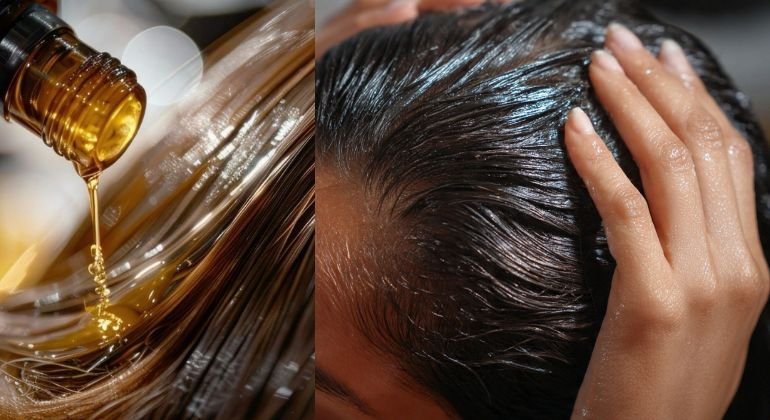
Avocado oil can also be used as a leave-in product. Apply one or two drops to damp hair ends to seal in moisture and reduce friction throughout the day. This method works well for textured hair and helps prevent split ends.
Weekly Deep Conditioning Masks
Combining avocado oil with hydrating ingredients such as aloe vera enhances its conditioning effects. Weekly masks restore moisture balance and improve hair texture over time.
Is Avocado Oil Good for Hair Extensions and Treated Hair?
When evaluating whether avocado oil is suitable for hair extensions and treated hair, professionals focus on three critical factors: compatibility with processed hair fibers, impact on attachment systems, and long-term effects on hair integrity. From a technical standpoint, avocado oil for hair meets these criteria when used correctly and in appropriate amounts.
Avocado Oil for Human Hair Extensions
Human hair extensions do not receive natural sebum from the scalp, which makes them significantly more vulnerable to dryness, friction, and premature damage. Repeated heat styling, brushing, and environmental exposure gradually strip moisture from the hair fiber, leading to tangling, dullness, and breakage.
Avocado oil for hair is particularly effective for extensions because of its ability to penetrate the hair shaft rather than remaining on the surface. This internal nourishment helps restore flexibility and softness, which are essential for maintaining the original quality of human hair extensions over time.
From a professional care perspective, avocado oil should be applied primarily to the mid-lengths and ends of hair extensions. These areas experience the most friction and mechanical stress. Applying the oil sparingly helps maintain smoothness and shine without creating heaviness or buildup.
It is important to avoid direct application near bonds, tapes, or wefts. Excess oil in these areas may weaken attachment points and reduce longevity. When used correctly, avocado oil for hair enhances the lifespan and appearance of extensions without compromising installation integrity.
>>> Read more: Hair Extension Care and Maintenance: Complete Guide to Long-Lasting Extensions
Is Avocado Oil Good for Hair That Has Been Chemically Treated
Chemically treated hair, including colored, bleached, permed, or relaxed hair, has a compromised cuticle structure. This makes moisture retention difficult and increases susceptibility to breakage. In this context, many professionals ask is avocado oil good for hair that has undergone chemical processing.
Avocado oil supports treated hair by replenishing lipids lost during chemical services. These lipids play a crucial role in reinforcing the cuticle barrier and reducing porosity. As porosity decreases, hair retains moisture more effectively and becomes less prone to frizz and split ends.
Another key advantage of avocado oil for hair is its antioxidant content. Chemically treated hair is more vulnerable to oxidative stress, which accelerates color fading and structural damage. Regular use of avocado oil helps protect treated hair between salon visits, supporting healthier texture and improved color longevity.
The Importance of Choosing High Quality Avocado Oil for Hair Care
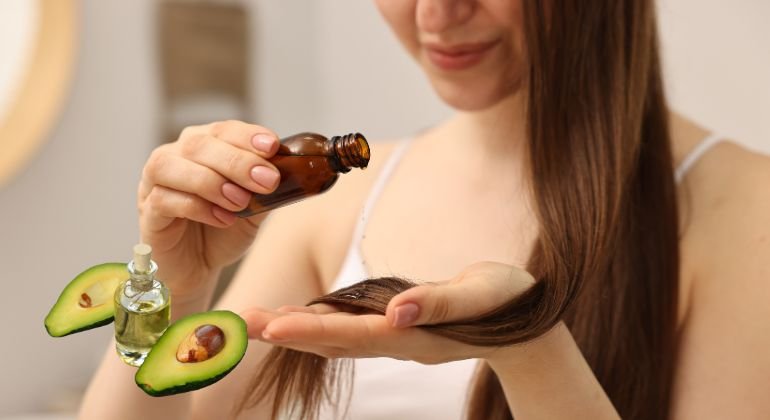
The effectiveness of avocado oil for hair extensions and treated hair depends heavily on oil quality. Cold-pressed, unrefined avocado oil retains its full profile of fatty acids, vitamins, and antioxidants. These compounds are responsible for the deep nourishing and protective properties associated with avocado oil.
Refined avocado oil, while lighter in color and scent, often undergoes high-heat processing that reduces its nutritional value. For professional or long-term hair care routines, unrefined avocado oil offers superior performance.
Experts also advise carefully reviewing ingredient lists when selecting avocado oil-based products. Formulations that contain excessive silicones, mineral oils, or synthetic fillers may reduce absorption and create buildup, particularly on extensions and porous treated hair.
Long-Term Benefits of Using Avocado Oil for Hair Extensions and Treated Hair
Consistent, correct use of avocado oil for hair delivers cumulative benefits over time. Rather than providing a temporary cosmetic effect, avocado oil improves hair resilience at a structural level.
For hair extensions, long-term use results in smoother texture, reduced tangling, and improved manageability. Extensions maintain their original softness and movement longer, reducing the need for frequent replacement.
For chemically treated hair, ongoing use supports elasticity, minimizes breakage, and enhances overall hair strength. Improved scalp and hair fiber condition contributes to healthier regrowth and more predictable results from future salon services.
Over time, hair becomes easier to style, less reactive to environmental stress, and more resistant to daily wear. This long-term improvement is what makes avocado oil for hair a trusted ingredient among professionals rather than a short-lived trend.
Conclusion
Avocado oil for hair is not a trend-driven solution but a scientifically supported ingredient valued by hair professionals. For those wondering is avocado oil good for hair, the answer lies in its ability to nourish deeply, protect effectively, and support long-term hair health.
By understanding the benefits of avocado oil for hair and learning how to use avocado oil for hair properly, individuals can build a sustainable, results-driven hair care routine rooted in natural science rather than temporary fixes.
Contact Thanh An Hair now for expert consultation and the best price list.
🌍 100% Vietnamese Human Hair – Consistent Quality
📦 Ready Stock – Fast Global Shipping
🤝 Competitive Pricing – Flexible for Every Order
👉 WhatsApp: (+84) 973522855
👉 Instagram: THANH AN HAIR WHOLESALE MANUFACTURER
👉 TikTok: Thanh An Hair
👉 Email: thanhanexport@gmail.com