Raw Vietnamese Hair
Raw Hair Extensions: What Are They & How to Assess Quality (2026)
Oct
What Are Raw Hair Extensions?
Raw hair extensions generally refer to human hair that has undergone minimal processing after collection. Depending on the supplier, the hair may be washed, sorted, or treated in other ways before being sold. Therefore, the term “raw hair” does not automatically mean that the hair has never been exposed to chemicals.
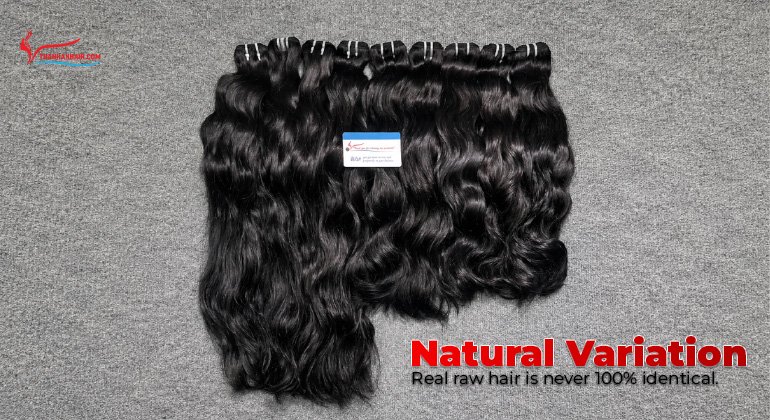
One commonly cited characteristic of raw hair is that it retains more of its original texture and natural variation. Individual bundles may differ slightly in thickness, wave pattern, or strand length, depending on the source and how the hair has been collected and handled.
When evaluating Vietnamese raw hair, buyers should verify the claimed origin, assess the hair’s actual condition, and ask about its processing history. The term “Vietnamese raw hair” is commonly used in the hair trade to describe hair marketed as originating from Vietnam, but the label alone does not verify its origin or authenticity.
Common Characteristics of Raw Hair Extensions
- Natural texture: The hair may retain more of its original texture rather than being extensively processed to achieve a uniform pattern.
- Natural variation: Differences in texture, thickness, and wave patterns may occur between bundles.
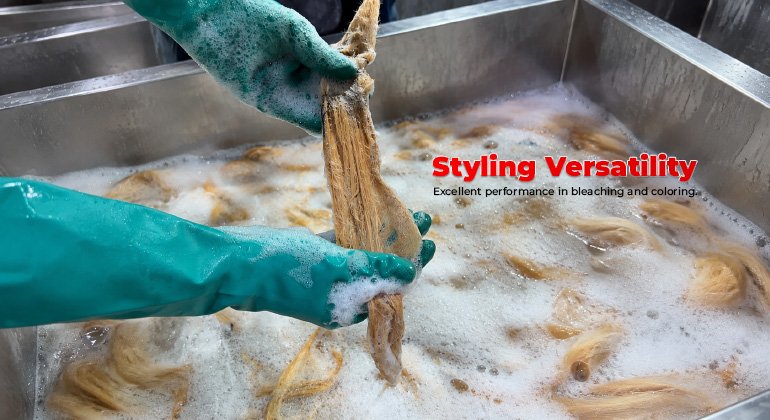
- Styling versatility: Depending on the hair’s quality and condition, it may be suitable for different styling techniques.
- Individual characteristics: The appearance and performance of the hair can vary according to its source, handling, and processing history.
These characteristics can help buyers understand what to look for, but none of them alone can confirm whether a product is genuinely raw hair.
5 Ways to Assess Raw Hair Extensions Before Buying
1. Examine the Hair’s Natural Texture
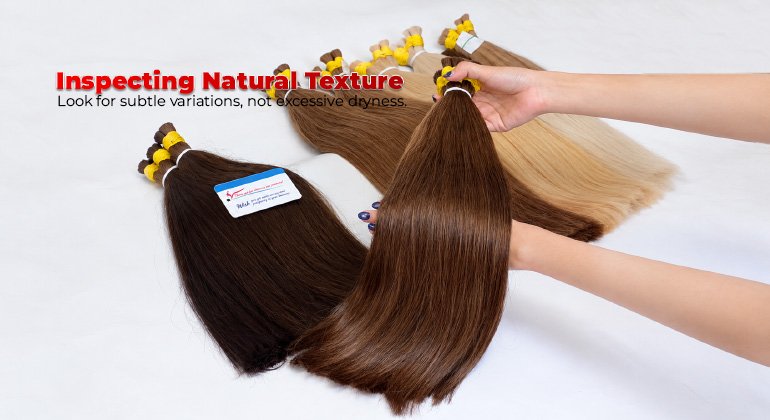
Start by examining a hair sample under good lighting. Look at the texture, strand thickness, and overall appearance. Depending on the source, raw hair may have subtle variations rather than an identical texture throughout the entire bundle.
Pay attention to the condition of the strands and whether the hair appears excessively dry, brittle, or damaged. You can also compare the texture before and after washing the sample according to the supplier’s care instructions.
However, appearance alone cannot establish whether hair has undergone chemical processing. Some processed hair can also have a natural-looking finish, so texture should be considered alongside other quality checks.
2. Check the Bundle Length, Shorter Strands, and Ends
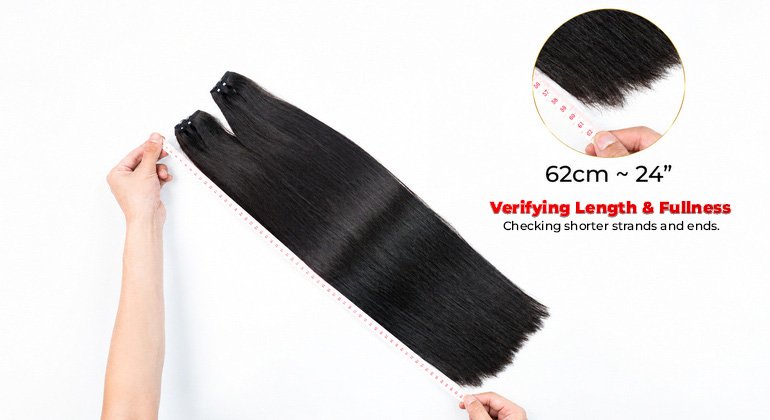
Inspect the bundle from top to bottom. Confirm that the actual length matches the product specifications, assess the proportion of shorter strands, and examine the ends for excessive dryness or breakage.
When buying hair extensions, remember that some variation in strand length may be normal. The important consideration is whether the bundle meets the agreed quality standards and provides the fullness you expect.
If a supplier offers Vietnamese raw hair, ask what sourcing information is available to support the claimed origin. For bulk orders, request a representative sample and agree on the acceptable length, weight, texture, and proportion of shorter strands before purchasing.
3. Wash a Sample and Observe How the Hair Responds
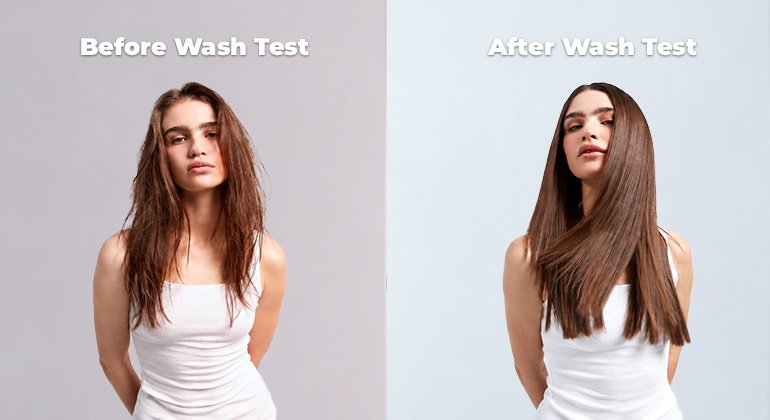
Washing a small sample can help you assess the hair under normal care conditions. Use a gentle shampoo, follow the supplier’s washing instructions, and allow the hair to air-dry.
Observe whether the hair becomes excessively tangled, feels unusually stiff, sheds more than expected, or shows noticeable changes in texture. These observations can provide useful information about the hair’s condition, although they cannot conclusively establish whether chemical processing has occurred.
For raw hair bundles, testing a sample before placing a large order is a practical way to evaluate the product. Avoid using harsh chemicals or aggressive washing methods, as these can damage the hair and affect your assessment.
4. Assess Shedding, Tangling, and Styling Performance
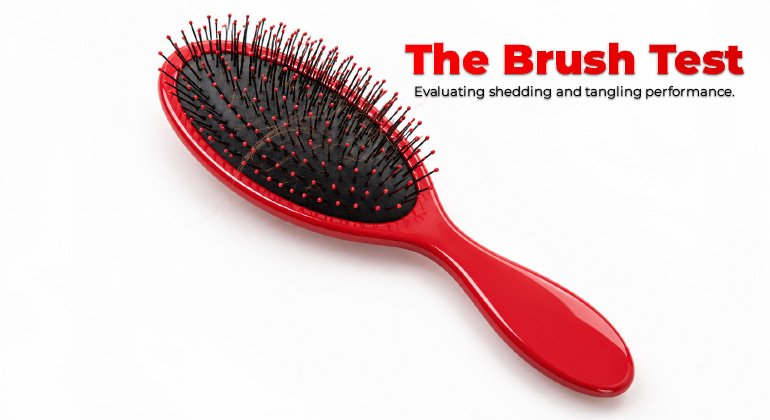
Gently run your fingers or a suitable comb through the hair, working from the ends toward the top of the bundle. Observe whether the strands become tangled easily or shed excessively during handling.
Shedding and tangling can be influenced by several factors, including hair quality, collection and sorting methods, installation techniques, and aftercare. They should not be used as standalone proof of whether the hair is raw or processed.
If you intend to heat-style, color, or chemically treat the hair, ask the supplier for specific recommendations. Styling performance depends on the hair’s quality and processing history, so do not assume that every bundle can withstand the same temperatures or coloring methods. Test any heat or chemical treatment on a small section first.
5. Verify the Supplier’s Information and Product Consistency
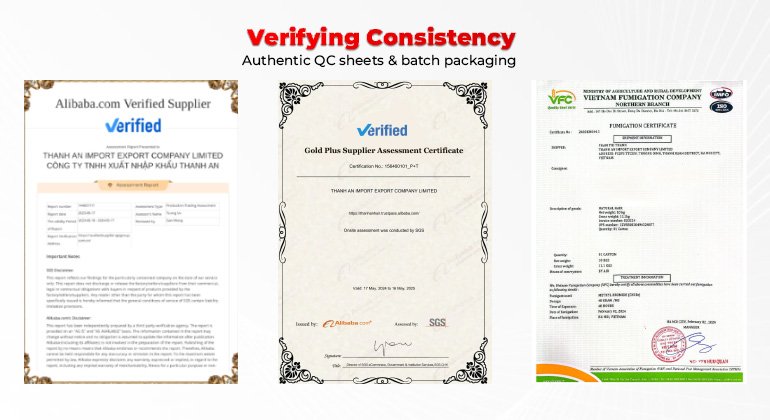
For salons, distributors, and wholesale buyers, consistent quality across orders is especially important. A sample may look promising, but the products delivered in subsequent batches should also meet the agreed specifications.
Before placing an order, consider the following:
- Product specifications: Confirm the length, weight, texture, color, and packaging requirements.
- Sourcing information: Ask about the hair’s claimed origin and collection process.
- Processing history: Request clear information about washing, coloring, and other treatments, where applicable.
- Sample approval: Keep photos, videos, and records of the sample you have approved.
- Return and exchange policies: Clarify how discrepancies between the approved sample and delivered products will be handled.
- Batch consistency: For repeat orders, compare samples and establish clear quality standards.
When sourcing Vietnamese raw hair, prioritize suppliers who communicate transparently and provide verifiable product information. A product label or marketing claim alone is not sufficient to establish the hair’s origin or processing history.
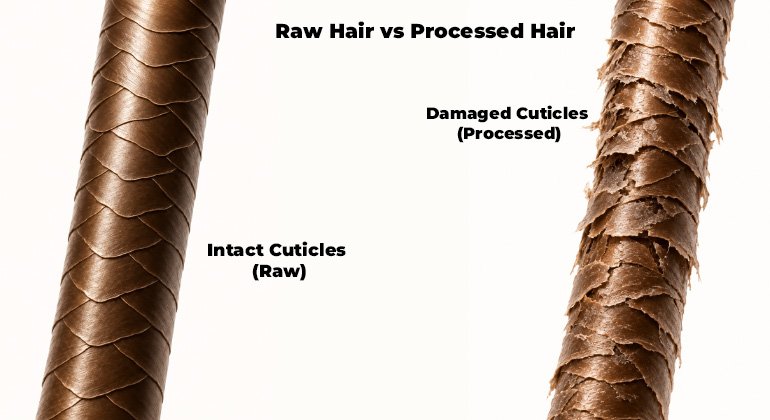
Raw Hair Extensions vs. Processed Hair: What’s the Difference?
Raw hair extensions and processed hair can differ in how they are prepared, how consistent they appear, and what styling methods may be suitable for them. The actual differences depend on the product and the treatments involved.
| Feature | Raw Hair Extensions | Processed Hair |
| Processing level | Generally marketed as minimally processed | May undergo additional chemical or other treatments |
| Texture | May retain more of its original texture and natural variation | May be treated to achieve a more uniform texture or curl pattern |
| Color | May show natural color variation between bundles | May be dyed or lightened to achieve a specific shade |
| Consistency | May vary between sources and batches | May appear more uniform, depending on the processing method |
| Styling options | Depend on the hair’s condition and processing history | Depend on the type and extent of processing |
| Quality assessment | Requires sample inspection and supplier information | Requires product specifications and information about treatments |
Neither category is automatically superior to the other. Both raw and processed hair can vary in quality, durability, and styling performance. The right choice depends on your budget, target customers, desired appearance, and business requirements.
How to Choose Vietnamese Raw Hair for Your Salon or Wholesale Business
Choosing the right hair starts with understanding your customers’ needs. Consider the lengths, textures, colors, and styling options that your salon or target market requires. Then compare suppliers using consistent product specifications rather than relying on promotional photos alone.
Establish Clear Product Specifications
Before ordering, determine the required length, bundle weight, texture, color, and acceptable variation between bundles. Clear specifications make it easier to compare suppliers and reduce misunderstandings when the products arrive.
When comparing Vietnamese raw hair from different suppliers, ensure that you are evaluating samples of comparable lengths, weights, and textures under similar care conditions.
Request Samples Before Placing Bulk Orders
Samples allow you to assess the hair’s texture, thickness, ends, shedding, and tendency to tangle before committing to a larger purchase.
For raw hair bundles, evaluate the sample against the specifications agreed upon with the supplier. If possible, document your findings and confirm the acceptance criteria in writing before proceeding with a bulk order.
See wholesale hair extensions ordering terms and sample options
Prioritize Supplier Transparency and Consistency
A reliable supplier should provide clear product information, respond to questions about processing methods, and explain its return or exchange policy.
If you plan to reorder regularly, ask how the supplier maintains consistency between batches. Keeping records of approved samples and product specifications can help you evaluate subsequent deliveries more objectively.
At Thanh An Hair, you can explore the available product range, request detailed product information, and discuss your sourcing requirements. Before placing an order, confirm the specifications and availability of the products that best suit your business.
Browse our full range of Vietnamese hair extensions or read about how the Thanh An Hair factory works
Frequently Asked Questions
Are Raw Hair Extensions Completely Free from Chemicals?
Not necessarily. The term “raw hair” generally refers to minimally processed hair, but definitions and supplier practices can vary. Washing, coloring, and other treatments may differ between products. Ask the supplier about the hair’s origin, cleaning methods, and any chemical treatments it may have undergone.
How Can I Verify the Origin and Quality of Vietnamese Raw Hair?
No single visual test can conclusively verify a product’s origin or processing history. Ask for sourcing information, examine a representative sample, review the product specifications, and choose suppliers who communicate transparently about their products. For larger orders, confirm the quality standards and documentation available before purchasing.
Are Raw Hair Bundles Suitable for Wholesale Purchases?
Yes. Raw hair bundles may be suitable for salons, distributors, and hair businesses, depending on their product requirements and target customers. Before purchasing in bulk, evaluate samples, confirm the specifications, and agree on quality standards and the process for handling products that do not meet those standards.
Can Raw Hair Extensions Be Dyed or Heat-Styled?
That depends on the hair’s condition and processing history. Do not assume that all raw hair extensions can be bleached, dyed, straightened, or curled at the same temperature. Ask the supplier for care recommendations and test the intended treatment on a small section before applying it to the entire bundle.
Final Thoughts
Choosing raw hair extensions requires more than relying on a product label or appearance. Examine the hair carefully, test a sample under appropriate care conditions, verify the supplier’s information, and establish clear quality standards before placing an order.
Whether you are sourcing Vietnamese raw hair for a salon or wholesale business, comparing products against consistent specifications can help you make more informed purchasing decisions and reduce sourcing risks.
Contact Thanh An Hair to explore the available product range, request detailed specifications, and discuss your hair sourcing requirements.
Next step: request a paid sample pack and current product specifications