
Thanh An Hair
Why Are Human Hair Wigs More Expensive?

Sep
When shopping for hair units, first-time buyers often experience sticker shock when comparing prices between synthetic wigs and high-end human hair units. While a synthetic wig can be purchased for under $100, a premium glueless human hair wig can range anywhere from $400 to well over $1,500. This dramatic price gap leads to a fundamental question: why are human hair wigs more expensive, and is the investment truly worth your hard-earned money?
The answer goes far beyond simple branding. The cost of a human hair wig reflects a combination of global raw material scarcity, meticulous hand-tied craftsmanship, and sophisticated cap engineering. In this comprehensive guide, we unpack the hidden factors behind human hair pricing, explore how modern glueless cap designs eliminate the need for harsh adhesives, and calculate the true cost-per-wear to help you make an informed beauty decision.
1. Raw Material Scarcity: High Demand vs Limited Supply
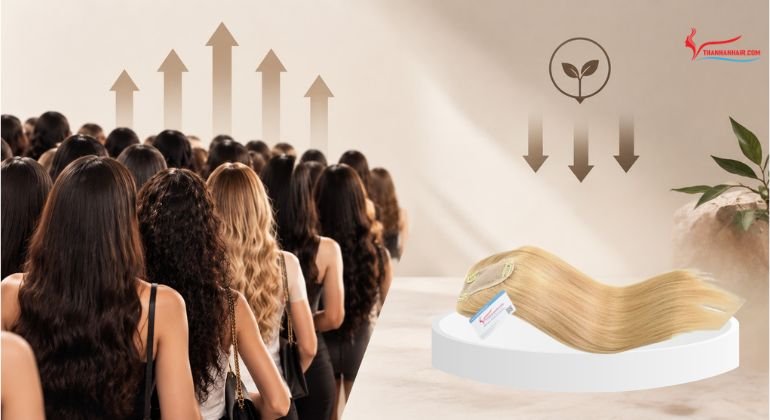
Unlike synthetic wigs, which are chemically synthesized from acrylic or polyester polymers mass-produced in factories, human hair is a finite natural resource that grows very slowly. Human hair grows an average of just half an inch per month, meaning it takes several years to cultivate healthy, unbroken hair strands suitable for long wig construction.
To construct a single full-density human hair wig, manufacturers require hair collected from multiple donors or single-donor pony tails. Finding long, donor hair that has never been chemically relaxed, bleached, or heat-damaged is increasingly difficult. When ethically sourced from willing donors who are compensated fairly, raw material acquisition becomes a primary cost driver.
Virgin Hair Cuticle Alignment vs Non-Remy Hair
The grade of hair used inside the unit dictates both the upfront price and how long the hair stays tangle-free:
- Virgin Remy Hair: Collected in a way that keeps all hair cuticles running in the exact same direction from root to tip. This virgin hair cuticle alignment prevents friction, tangling, and matting, allowing the wig to remain silky soft for years.
- Non-Remy Floor Hair: Sourced from fallen hair strands collected from brushes or salon floors. Because the cuticles run in opposite directions, factories must strip the hair cuticles in aggressive chemical acid baths and coat the strands in heavy silicone. While cheap initially, the silicone washes off after a few shampoos, leaving a matted, rough texture.
Top-grade hair units utilize single-donor raw vietnamese hair bulk strands. This hair undergoes minimal chemical processing, preserving its natural elasticity, internal moisture, and structural strength.
2. Hand-Crafted Artistry: Labor-Intensive Manufacturing
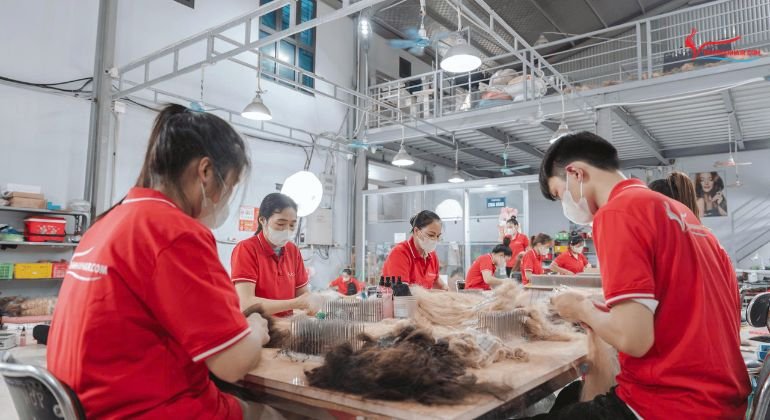
Another critical reason why human hair wigs are more expensive stems from the intense manual labor required during production. While cheap synthetic wigs are machine-sewn in minutes, premium human hair units are masterfully handcrafted by skilled artisans.
Creating a realistic hairline requires a process known as single-knotting or micro-ventilation. A master technician uses a tiny ventilation needle to hand-tie individual hair strands onto sheer lace mesh one by one.
- A standard 13×4 HD lace frontal wig requires over 40,000 individual hand-tied knots.
- A single full lace human hair wig can take anywhere from 15 to 30 days of manual labor to complete.
- Artisans must carefully vary knot density near the forehead to mimic a natural scalp pattern, preventing the dense helmet look common in budget wigs.
Because skilled hand-knotting cannot be automated by industrial machines, labor costs constitute a major portion of the final retail price.
3. Premium Cap Engineering: HD Lace and Glueless Innovations
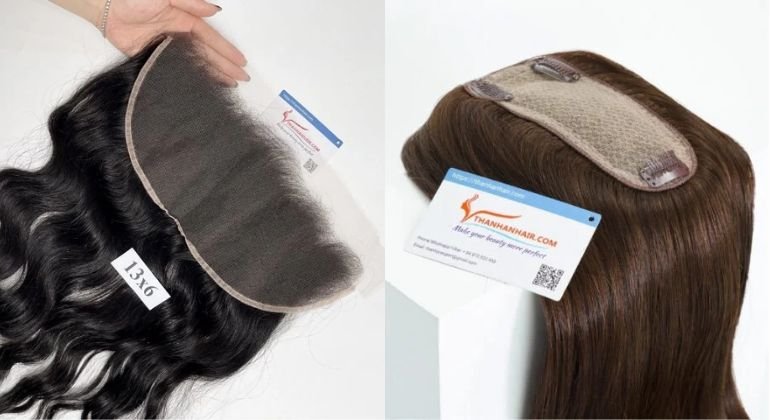
Beyond the hair strands themselves, the underlying cap materials dramatically impact both manufacturing expense and wearer comfort. Modern wig technology has shifted heavily toward glueless human hair wigs, which combine sheer lace with ergonomic tension mechanisms.
The Role of Swiss and HD Lace
Standard hard lace can feel scratchy against sensitive scalps and remain visible along the forehead. High-end wigs utilize ultrathin Swiss lace or real HD (High Definition) lace. HD lace is an invisible, ultra-sheer material that melts seamlessly into any skin tone, giving the illusion that hair is growing directly out of your scalp. Premium lace closures and frontals manufactured with genuine HD lace require delicate handling during stitching, further raising production costs.
4. Longevity & Versatility: Calculating Cost-Per-Wear
While the initial cost of a real hair unit is higher, evaluating its long-term financial value requires looking at the cost per wear wig comparison.
Synthetic wigs degrade rapidly due to friction, heat exposure, and fiber matting. Most synthetic units last only 2 to 4 months before needing complete replacement. In contrast, a well-maintained human hair wig crafted with cuticle-intact Remy hair lasts between 12 to 36 months.
| Wig Category | Average Initial Price | Expected Lifespan | Monthly Cost Breakdown | Styling Freedom | Scalp Health Impact |
| Standard Synthetic Wig | $80 – $180 | 2 – 4 Months | $40 – $60 / month | Zero heat styling; rigid fiber shape | Low breathability; trapping sweat |
| Low-Grade Human Hair (Non-Remy) | $150 – $300 | 3 – 6 Months | $50 – $75 / month | Limited heat processing before damage | Requires glue tape; potential irritation |
| Premium Glueless HD Lace Human Hair Wig | $600 – $1,200 | 12 – 36 Months | $25 – $40 / month | Full heat styling, dyeing, and bleaching | 100% glue-free, breathable, skin-safe |
As demonstrated in the comparison table, investing in a high-tier human hair unit actually reduces your monthly hair budget over time while delivering superior realism, heat styling freedom, and natural movement.
5. How to Choose a High-Value Glueless Human Hair Wig
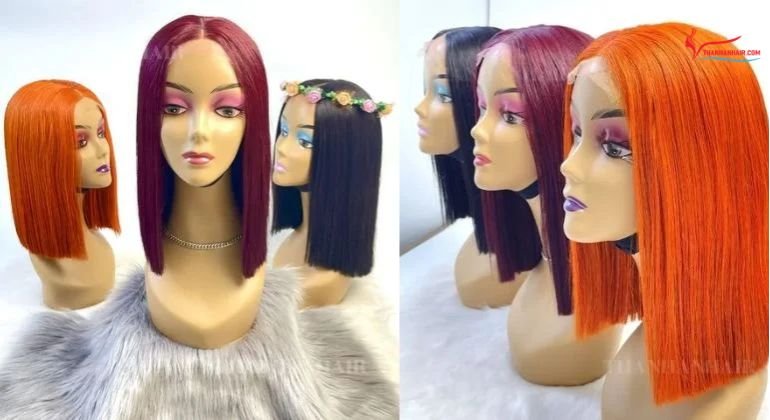
If you are ready to invest in a premium unit, keep these expert buying criteria in mind to ensure you get maximum value for your money:
- Verify Hair Origin: Look for 100% raw human hair with intact cuticles. If you want lighter shades, verify that the unit uses pre-bleached blonde human hair extensions crafted from virgin hair rather than synthetic-mixed fibers.
- Inspect the Lace Quality: Check if the wig features real HD lace or transparent Swiss lace for effortless melting.
- Confirm True Glueless Mechanisms: Ensure the cap features an adjustable, non-slip elastic strap and built-in grips so you can skip glues entirely.
- Choose Custom Units: Sourcing through specialized custom manufacturers like custom hair extensions suppliers guarantees better cap sizing, density control, and long-term durability.
Conclusion and Final Takeaway
So, why are human hair wigs more expensive? The elevated price tag reflects rare natural hair materials, dozens of hours of hand-tied craftsmanship, and state-of-the-art cap engineering that protects your scalp. When you choose a high-grade glueless human hair wig, you are not simply paying for hair; you are investing in comfort, instant convenience, natural movement, and unmatched long-term value.
Ready to upgrade your hairstyle with zero glue, zero hassle, and 100% raw human hair? At Than Han Hair, we craft high-tier raw hair bundles, HD lace frontals, and glueless human hair units designed to look flawless and last for years. Explore our premium collections today or contact our hair specialists to find your perfect match!
- WhatsApp/Hotline: (+84) 973 522 855
- Official Website: https://thanhanhair.com/
- Instagram: @thanhanhair
- Email: thanhanexport@gmail.com