
Raw Vietnamese Hair
How to Secure a Wig: 6 Proven Methods to Keep Your Wig Secure All Day
Jan
Knowing how to secure a wig correctly is essential for achieving a natural look, consistent stability, and long-term comfort. Even high-quality wigs can feel uncomfortable or insecure if they are not attached properly. A secure wig should remain stable during movement while still feeling lightweight and breathable on the scalp.
Different wigs require different securing techniques. Lace front wigs, full lace wigs, glueless wigs, and medical wigs all behave differently on the scalp. This guide breaks down each professional method in detail, explaining how it works, when to use it, and how to apply it correctly.
Understanding Wig Security Before Choosing a Method
Most wig issues do not come from the wig itself, but from choosing the wrong way to secure it. Slipping at the hairline, lifting at the temples, headaches after a few hours, or a wig that feels tight yet still moves are all signs of improper wig security.
Before learning how to secure a wig, it is important to identify what is actually causing the instability.
Some wigs shift because the scalp produces natural oils that reduce friction. Others lift because the wig cap does not match the head shape, or the lace is not properly anchored. In some cases, the problem is not movement at all but excessive tension from clips, bands, or adhesives misapplied.
The way a wig sits on the head is influenced by three core factors: surface grip between the scalp and the cap, anchoring points such as hair or clips, and adhesion at the hairline. If one of these elements is missing or overused, the wig will either move too much or feel uncomfortable.
For example, lightweight glueless wigs often slip because they rely only on friction, while lace front wigs lift when adhesive is applied unevenly or on oily skin. Wigs secured too tightly may stay in place but cause headaches, scalp soreness, or hairline damage over time.
Understanding how to secure a wig properly means identifying where the instability occurs, whether at the front, sides, crown, or nape, and then choosing a method that addresses that specific issue instead of oversecuring the entire wig.
Once the root cause is clear, selecting the right securing method becomes far more effective and comfortable.
Method 1: Wig Cap Foundation for a Controlled and Stable Base
A wig cap foundation does not secure the wig on its own, but significantly improves the effectiveness of all other securing methods. It creates a smooth and consistent surface that allows wigs to sit evenly and prevents shifting caused by uneven hair distribution.
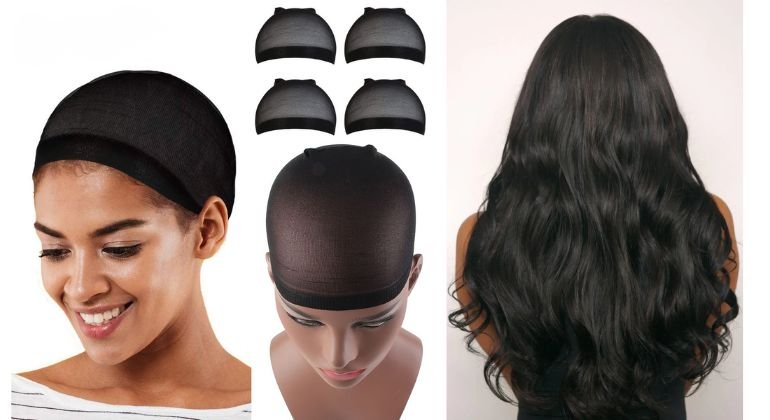
How to Use a Wig Cap
- Choose a wig cap based on scalp sensitivity. Nylon caps provide a smooth surface, while bamboo or cotton caps are better for sensitive skin.
- Flatten natural hair completely by braiding, wrapping, or molding it close to the scalp.
- Tuck all edges inside the cap and adjust until there are no bumps or folds.
- Place the wig on top of the cap before applying grip bands, adhesive, or clips.
Why It Works
- Creates a uniform surface that improves overall wig stability
- Prevents friction between natural hair and wig cap
- Helps adhesives bond more evenly
Pros and Cons
Pros:
- Enhances the performance of all securing methods
- Improves comfort and protects natural hair
Cons:
- Does not provide hold on its own
Method 2: Wig Grip Band Method for Glueless Daily Wear
The wig grip band method is a friction-based technique designed for individuals who prefer a non-adhesive solution. It is especially useful for everyday wear and those with sensitive scalps.
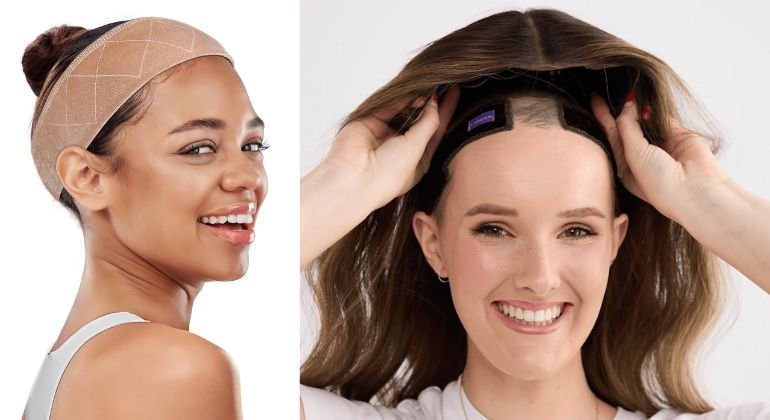
How to Use a Wig Grip Band
- Position the wig grip band around your head, placing it slightly behind the natural hairline.
- Adjust the band so it feels secure without causing pressure or tightness.
- Ensure the textured surface is facing outward to grip the wig cap.
- Place the wig on top of the band and gently adjust until it feels stable.
Why It Works
- Uses friction to prevent the wig from sliding
- Distributes pressure evenly around the head
- Reduces tension on the hairline
When to Use This Method
This method is ideal for glueless wigs, lace front wigs with adjustable straps, and medical wigs. It works best for low to moderate activity levels.
Pros and Cons
Pros:
- No glue or chemicals required
- Easy to remove and reposition
- Comfortable for long daily wear
Cons:
- Not ideal for heavy wigs or high-impact activities
Many of the techniques discussed in Glueless Wig Guide for Beginners You’ll Wish You Knew Sooner rely on wig grip bands to achieve a secure yet comfortable glueless fit.
Method 3: Wig Adhesive Glue Method for Maximum and Long-Term Hold
The wig adhesive glue method is the strongest option for securing a wig. It is commonly used for lace front and full lace wigs, where a seamless hairline and long-lasting hold are required.
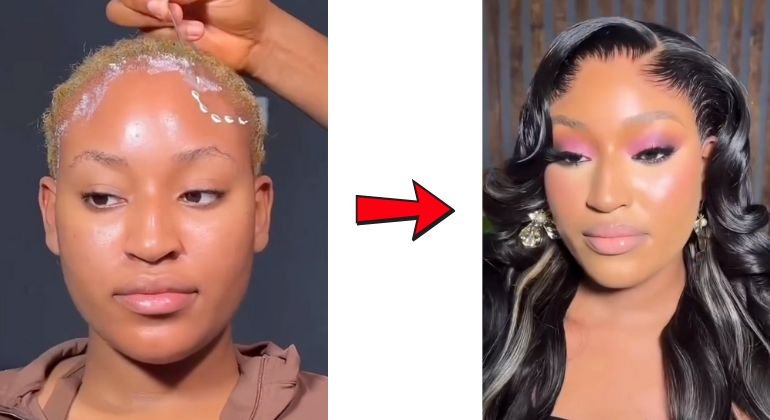
How to Use Wig Adhesive Glue
- Clean the hairline thoroughly using alcohol to remove oils and residue.
- Apply a thin, even layer of wig adhesive glue along the hairline or around the perimeter.
- Allow the adhesive to become tacky before placing the lace down.
- Press the lace gently into place without stretching it.
- Allow sufficient time for the adhesive to cure before styling.
Why It Works
- Creates a strong bond between lace and skin
- Prevents lifting at the hairline
- Maintains stability during sweat and movement
When to Use This Method
This method is best for extended wear, special occasions, travel, or situations where maximum hold is required.
Pros and Cons
Pros:
- Long-lasting and secure
- Creates a natural, melted hairline
Cons:
- Requires proper removal products
- Not recommended for very sensitive skin
Method 4: Wig Combs and Clips Method for Structural Support
The wig combs and clips method secures the wig by anchoring it directly to natural hair. This method adds internal structure and prevents shifting at key areas such as the crown and nape.
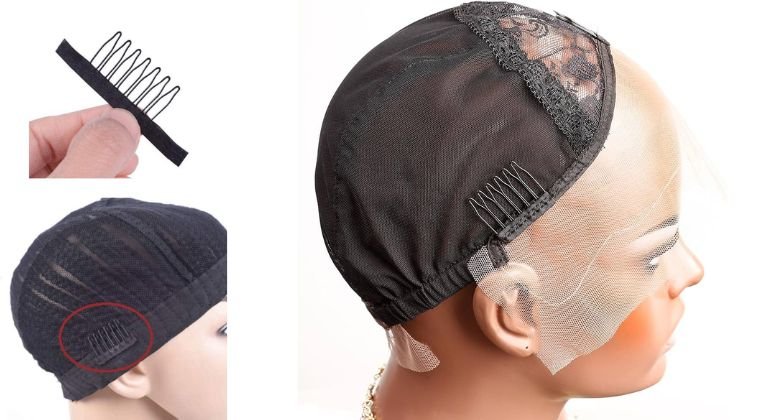
How to Use Wig Combs and Clips
- Prepare natural hair by braiding or flattening it close to the scalp.
- Position the wig correctly before fastening any clips.
- Secure each comb gently into the hair, avoiding excessive tension.
- Check that the wig feels balanced and comfortable.
Why It Works
- Anchors the wig to natural hair
- Prevents back and side movement
- Adds internal stability
When to Use This Method
This method works best for individuals with sufficient natural hair and machine-made or reinforced lace wigs.
Pros and Cons
Pros:
- Strong internal support
- No adhesives needed
Cons:
- Not suitable for thinning hair
- Can cause tension if placed incorrectly
Method 5: Elastic Band Method for Adjustable Glueless Fit
The elastic band method is widely used in glueless lace wigs. An elastic band sewn inside the wig creates tension that keeps the wig securely in place.
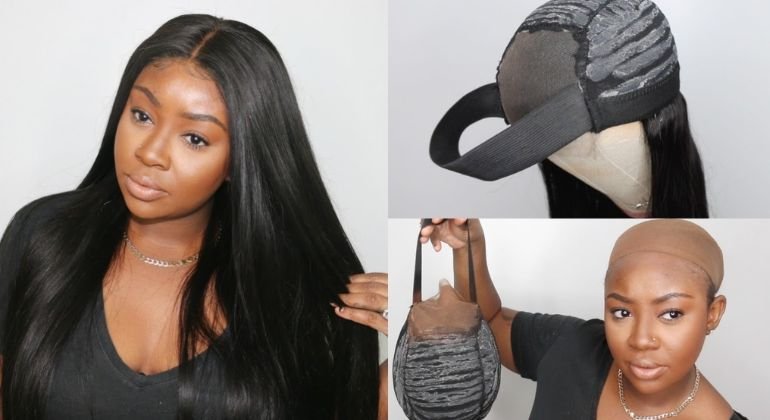
How to Use the Elastic Band Method
- Adjust the elastic band inside the wig so it fits snugly around the head.
- Position the wig so the band sits comfortably behind the hairline.
- Combine with a wig cap or wig grip band if extra security is needed.
Why It Works
- Provides consistent tension
- Allows easy removal and reapplication
Pros and Cons
Pros:
- Comfortable and beginner-friendly
- No adhesive required
Cons:
- Limited hold for intense movement
Method 6: Wig Tape Method for Short-Term Wear
Wig tape provides temporary adhesion and is often used for short-term events or quick styling.
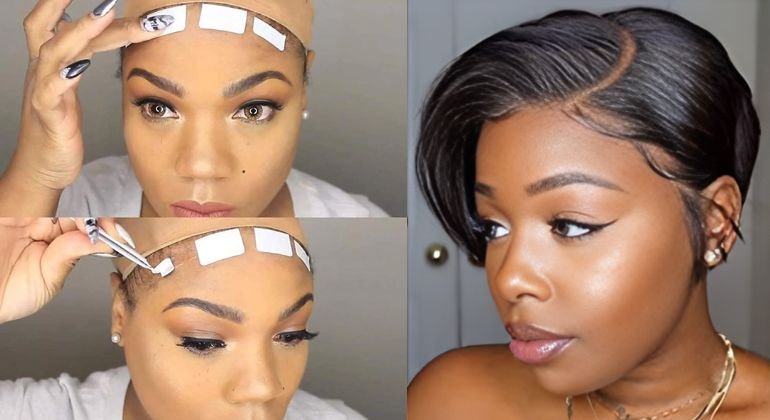
How to Use Wig Tape
- Apply tape to clean, dry skin along the hairline or sides.
- Press the wig firmly onto the tape.
- Remove carefully after use to avoid residue.
Why It Works
- Provides instant hold
- Easy application
Pros and Cons
Pros:
- Quick and convenient
- Ideal for occasional wear
Cons:
- Not suitable for extended wear
Conclusion
Securing a wig is not just about choosing the strongest method but about selecting the right solution for your wig type, lifestyle, and long-term comfort. A well-secured wig should feel stable without tension, natural without constant adjustment, and comfortable enough to wear for hours without irritation.
>>> Read more: How to Choose the Right Wig Hair for Your Face Shape
However, even the best securing method cannot compensate for a poorly constructed wig or low-quality hair. Wig stability, hairline realism, and overall comfort all start with the quality of the wig base and the hair itself. When the lace fits properly, the cap construction is balanced, and the hair density is well designed, securing the wig becomes significantly easier and more reliable.
This is why working with an experienced and reputable hair supplier matters just as much as learning the right techniques.
At Thanh An Hair, we take care of all your concerns from start to finish. We are Vietnam’s premier provider of hair extensions and wigs, with over 20 years of experience in the industry and a verified Alibaba account that has been active for over 13 years. We currently work with over 500 salon owners, hairstylists, and hair suppliers worldwide. We are confident in our position as a top brand, providing the finest customer experience in terms of product quality and affordability.
Contact Thanh An Hair today for expert consultation and the most competitive price list.
🌍 100% Vietnamese Human Hair – Consistent Quality
📦 Ready Stock – Fast Global Shipping
🤝 Competitive Pricing – Flexible for Every Order
👉 WhatsApp: (+84) 973522855
👉 Instagram: THANH AN HAIR WHOLESALE MANUFACTURER
👉 TikTok: Thanh An Hair
👉 Email: thanhanexport@gmail.com